
Somalia's daily breakfast bread — a fermented sourdough flatbread made from sorghum or wheat flour, mixed with water and a starter, fermented 24 hours, then cooked on a hot griddle into large spongy discs with hundreds of small bubbles. Eaten torn with the right hand, scooping suqaar, beans, or sugar-and-ghee. Related to Yemeni lahoh and Ethiopian-Eritrean injera.


Anjero (also called canjeero) is the Somali variant of the Horn-of-Africa sourdough flatbread tradition. While Ethiopian and Eritrean injera uses teff flour, Somali anjero traditionally uses sorghum or wheat — sometimes both. The Yemeni-Arab influence is strong: Somali anjero is closer in texture to Yemeni lahoh (also sourdough, also bubble-pocked) than to Ethiopian injera. Mogadishu's breakfast scene is built around anjero — every café and street vendor cooks them fresh every morning. The 24-hour ferment is critical: it develops the characteristic sour-tangy flavor and the bubble structure.
Pick up a fresh-warm anjero from the stack — large round pale-gold disc, top covered with tiny bubble holes like a crumpet, soft-spongy texture. Bite: gentle sourness from the 24-hour ferment, slight wheat-sorghum sweetness, the holes catch any sauce or ghee. Roll up with a scoop of suqaar inside; the anjero soaks up the meat juices without getting soggy. Or sweet-version: sprinkle sugar, drizzle warm ghee, eat with cardamom tea. The Mogadishu breakfast that's two textures in one — soft underneath, almost-cracker-crispy on the bubble side.
The overnight ferment develops both flavor (lactic and acetic acid) and structure (CO2 from wild yeasts creates the bubbles). Fermentation is driven by naturally occurring lactic acid bacteria and yeasts in the flour-and-water batter, sometimes boosted with a pinch of added yeast. Single-side cooking is essential: the bottom seals while steam from the wet batter rises through, creating bubble holes that don't burst. Sorghum's gluten-free nature combined with wheat creates a more-tender result than pure-wheat anjero.
Variations
Pure-sorghum anjero (more traditional Somali) uses 100% sorghum flour — heavier, more tangy. Wheat-only anjero is more common in modern Mogadishu. Sweet anjero (dessert version) adds honey and crushed cardamom to the batter. Cocktail-size mini anjero (mooshe) are for parties. Diaspora anjero often uses self-rising flour and skips the 24-hour ferment — faster but less complex.
On the Palate
Where Anjero sits in the Somali flavor cloud
Ingredients
Serves 6
How it's made
10 steps · 30 min active + 1 day 30 min waiting
- 14 min
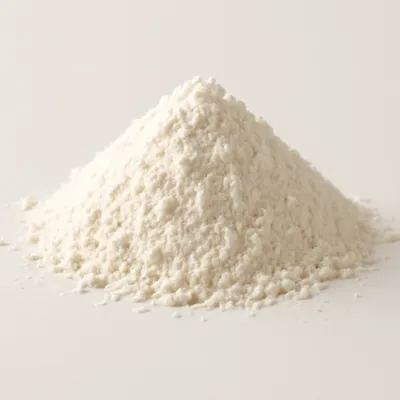
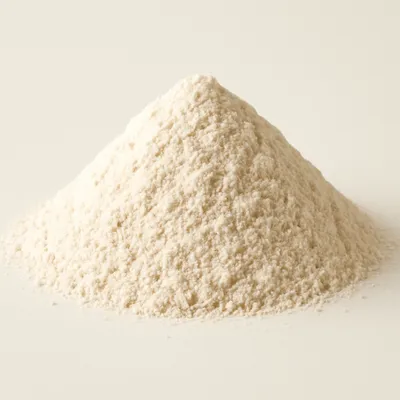
Day 1, 6 PM: in a large bowl, combine 250 g all-purpose flour + 250 g sorghum flour (or substitute fine cornmeal) + 1.5 tsp instant yeast + 1 tsp sugar.
- 23 min
Add 1 L warm water, whisking to form a smooth batter the consistency of pancake batter.
- 31440 min
Cover loosely with a kitchen towel. Let ferment at warm room temperature 24 hours. The batter should rise slightly, become bubbly, and smell pleasantly sour.
Watch outAfter the long rest the batter should have risen a touch, gone bubbly, and smell pleasantly sour; flat and sweet-smelling means the ferment hasn't taken — give it more time.
- 43 min
Day 2, 6 PM next day: stir the batter gently. Add ½ tsp salt + 1 tbsp sugar. If too thick, add a splash of warm water.
- 54 min
Heat a flat griddle (or large non-stick pan) over medium heat. Lightly oil with sunflower oil using a folded paper towel.
- 62 min
Pour ⅓ cup batter onto the hot griddle. Quickly swirl into a thin 18-cm disc. Cover loosely with a lid.
- 72 min
Cook 1.5-2 min on ONE SIDE ONLY (anjero is single-sided like a crumpet). The top should set and become covered with hundreds of small bubble holes; the bottom should be lightly golden.
Watch outCook it on one side only — the top should set and prick up with hundreds of tiny bubble holes while the underside turns light gold; flip it and you crush the honeycomb.
- 81 min
Remove with a thin spatula. Stack on a plate covered with a clean towel.
- 930 min
Repeat with remaining batter — makes ~12 anjero.
- 103 min
Serve fresh and warm. Roll up to dip in tea-with-cardamom, or use to scoop suqaar, ful medames, or simply sprinkle sugar and drizzle ghee for the sweet version.


