
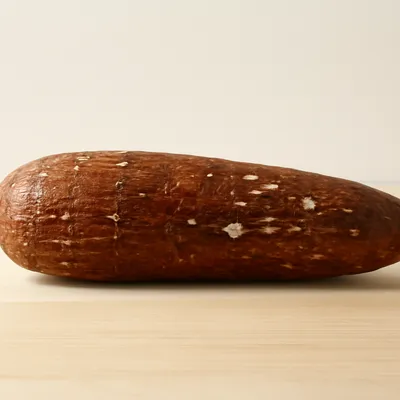

Cassava bread is one of the oldest continuously-prepared foods of the Caribbean — the Taíno indigenous people prepared it before European arrival in 1492, and the technique has been preserved by enslaved Africans and Caribbean people. The dish is essentially a thin, dry, unleavened flatbread. The squeeze-press step (using a 'matapi' woven cassava strainer in pre-Columbian times) is essential to remove the toxic hydrocyanic acid in raw cassava.
Tear a wedge of cassava bread — pale-cream, slightly speckled brown, dry-textured. Bite plain: barely-sweet, faintly earthy, mildly nutty; the texture is firm and slightly crumbly, like a thicker cracker. With a piece of warm saltfish sauce on top, it absorbs the moisture and becomes a perfect carrier. This is the oldest food on the Antiguan table — a direct line from the Taíno people who prepared it on these islands before Columbus arrived. Eating it is partaking in 1,500+ years of Caribbean continuity.
Squeezing the grated cassava is non-optional and not just for texture — fresh cassava contains hydrocyanic acid (cyanide precursor); the squeezed liquid carries it away. Eating insufficiently-prepared cassava is poisonous. The dry-griddle method (no oil) is what allows the bread to form without oil-frying — the cassava's natural starch holds it together. The bread doesn't rise; it's an unleavened dense flatbread.
Variations
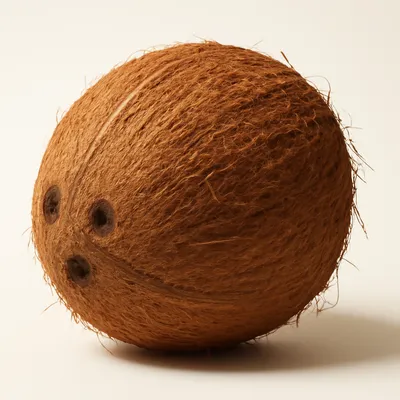
Cassava bread with coconut (sweeter, more flavor). With added cumin or thyme. Smaller individual cassava breads. With added cassava flour from a different cassava variety. Modern restaurant version with herbs. Spicy version (with cayenne).
On the Palate
Where Antiguan Cassava Bread sits in the Antiguan flavor cloud
Ingredients
Serves 4How it's made
12 steps · 1 hour active + 30 min waiting
- 112 min
Peel 1.2 kg fresh sweet cassava root (or use thawed frozen). Avoid bitter cassava varieties.
- 211 min
Grate cassava very finely (a food processor with grating disc helps).
- 36 min
Place grated cassava in a fine-mesh cheesecloth or muslin; squeeze hard for 5 min to remove all liquid (this contains hydrocyanic acid — discard the liquid).
Watch outSqueeze the grated cassava bone-dry and throw the liquid away — that juice carries the natural cyanide; skimp on the squeeze and it's both unsafe and too wet to griddle.
- 44 min
Sift the squeezed cassava through a sieve to break up any lumps. You should have about 800 g of dry, sandy-textured 'flour'.
- 52 min
Optional: add 1 tsp salt and 1 tbsp grated coconut for flavor (traditional). Mix briefly.
- 64 min
Heat a heavy cast-iron skillet or griddle over medium-low heat — no oil, no butter.
- 73 min
Take about 200 g of cassava 'flour'; press firmly into a thin disc (~22 cm diameter, 5-mm thick) directly on the griddle.
Watch outPress the cassava flour into a firm, even disc right on the dry griddle — no oil; the cassava's own starch is what binds it, so pack it tight or it crumbles when you flip.
- 814 min
Cook 5-7 min until the bottom is firm and faintly golden; flip carefully (use 2 spatulas).
Watch outWait until the bottom is firm and faintly gold before flipping, and use two spatulas — nudge it too soon and the loose disc falls apart.
- 913 min
Cook the other side 5-7 min until firm.
- 103 min
Lift onto a plate; cool slightly to firm up further.
- 1118 min
Repeat with remaining cassava (3 more discs).
- 121 min
Serve with saltfish, soup, or as a sandwich wrap. Stores wrapped in cloth for several days.


