


Antiguan
Fungee and pepperpot, ducana stuffed in banana leaves, goat water at the wedding fete, saltfish at every breakfast — the Lesser Antilles plate at its most-rooted, with a Taíno cassava-bread heritage older than anything European.
Fungee and Pepperpot
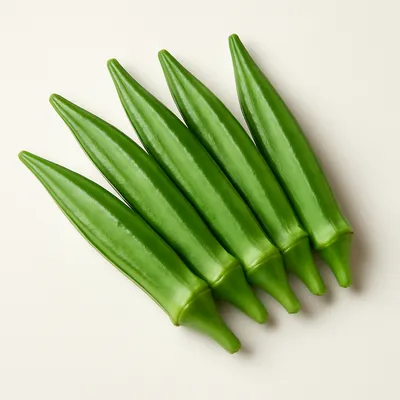
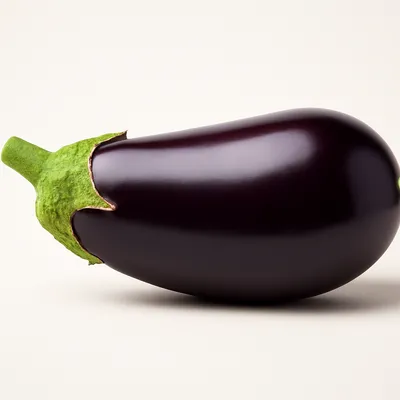
Antigua's national dish — fungee is cornmeal stirred with okra and water into a smooth polenta-like mass (turned with a wooden spoon until silky), shaped on the plate; pepperpot is a long-stewed mix of salt pork or beef, eggplant, spinach (or callaloo), papaya, and dasheen leaves, slow-cooked until everything collapses into a dark-green savory stew. Plated together: fungee mounded in the center, pepperpot ladled around it. Source: Wikipedia (Fungee, Antigua and Barbuda cuisine).
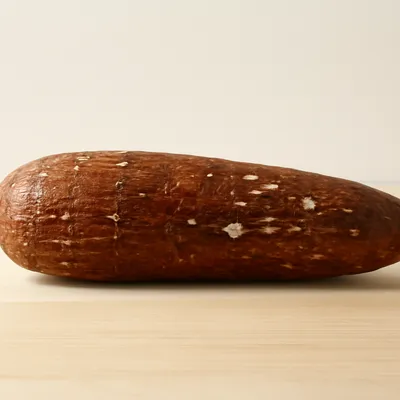
View page →Antiguan (and Barbudan) cooking is the food of the twin-island state in the Leeward Islands of the eastern Caribbean. The national dish is fungee and pepperpot: fungee is cornmeal stirred with okra into a smooth polenta-like mass (closely related to Barbadian cou-cou), and pepperpot is a long-stewed mix of salted pork, beef, eggplant, spinach, papaya, and dasheen leaves — the Antiguan version is distinct from the cassareep-thickened Guyanese pepperpot. Goat water — a hearty goat stew with onion, garlic, scotch bonnet, cloves, and root vegetables — is the celebration meal (tracing its lineage to Scottish goat broth brought by colonial settlers). Ducana — grated sweet potato mixed with coconut, sugar, cinnamon, and nutmeg, wrapped in banana leaf and boiled — is the iconic carbohydrate accompaniment to saltfish. Saltfish (sautéed with onion, tomato, sweet pepper, and thyme) is the everyday everyday protein. Cassava bread (pressed and griddle-baked from grated cassava, a Taíno heritage) and Antiguan sugar cake (the iconic pink-tinted coconut candy of childhood) round out the table.
The Palate
Start Here
Fungee (cornmeal stirred with okra into smooth polenta) plated alongside pepperpot (long-stewed cured pork-and-beef with eggplant, spinach, papaya, and dasheen leaves cooked into a thick dark-green stew).
Why start here · Antigua's national dish (declared 2009). The fungee-and-stew pairing represents the entire Lesser Antilles cornmeal-and-greens foundation.
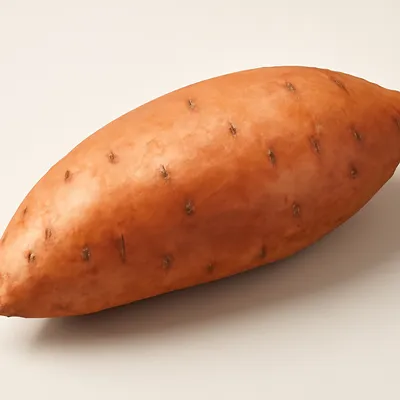
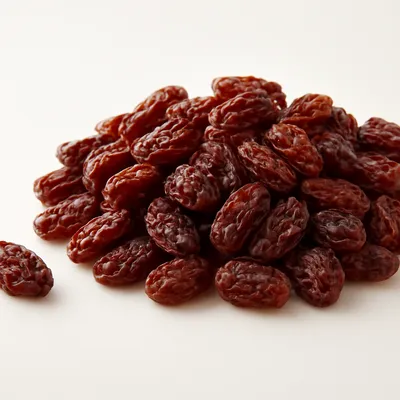
Grated sweet potato with grated coconut, brown sugar, cinnamon, nutmeg, and raisins wrapped in banana leaves and boiled (not steamed) into firm packets.
Why start here · The iconic Antiguan carbohydrate accompaniment to saltfish. West African 'tamale' tradition adapted with Caribbean ingredients.
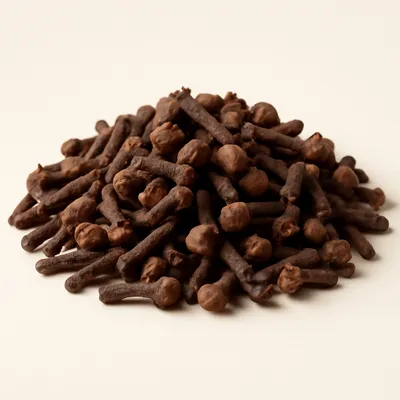
Bone-in goat slow-cooked with onion, garlic, scotch bonnet, cloves, bay, thyme, papaya (tenderizing enzyme), and a touch of rum into a long-cooked rich broth.
Why start here · The celebration meal of Antigua and Barbuda. Traces back to Scottish goat broth brought by 17th-century colonial settlers; adapted with Caribbean spices over four centuries.
The Pantry






See all 39 ingredients›







Grains & Staples




Dairy & Fats
On the Map
Where this cuisine is found
Regional Styles
St. John's (Capital)
The capital and population center. The urban hub where saltfish breakfasts and ducana are sold at every roadside vendor. Carnival fete cuisine.
English Harbour and Falmouth (South)
The historic British naval base and yachting harbor. The most-developed restaurant culture and the source of pepperpot and goat water in the celebration tradition.
Barbuda (Codrington)
The smaller, less-developed sister island. Traditional fishing village cuisine and the strongest preservation of Taíno cassava-bread heritage.
How They Cook
Techniques that define this cuisine


