
Antiguan steamed sweet-savory dumpling — grated sweet potato mixed with grated coconut, brown sugar, cinnamon, nutmeg, and raisins, wrapped in banana leaves and boiled (rather than steamed) into firm packets. The iconic carbohydrate accompaniment to saltfish.
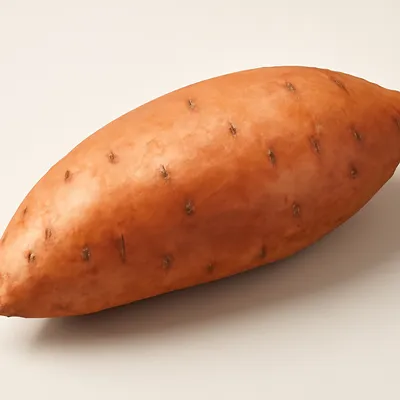
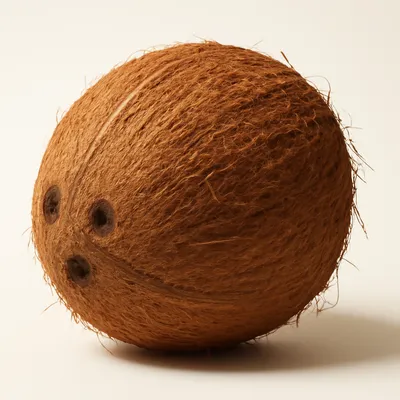


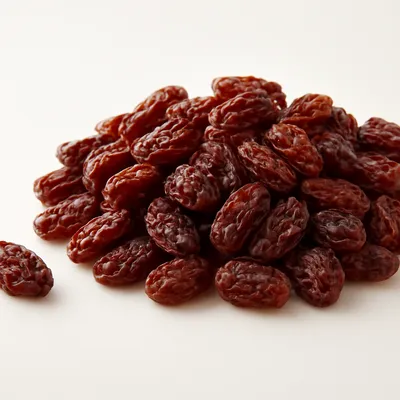

Ducana is the most-Antiguan accompaniment to saltfish — the two are eaten together for breakfast and lunch on Saturday mornings across the island. The technique is the West African 'tamale' style steamed-in-leaf preparation, brought via the slave trade and adapted with Caribbean sweet potato. The dish is closely related to Bajan conkies but is boiled (rather than steamed) and forms a firmer, denser product.
Unwrap a warm ducana — fragrant banana-leaf parchment opens to reveal a deep golden-orange dense parcel, glistening. Bite: dense, almost-pudding-like, the sweet potato providing structural sweetness and orange color, the coconut adding tropical fragrance and slight chew, raisins bursting between teeth, cinnamon and nutmeg perfuming every bite; the banana leaf has imparted its faint vegetal aroma. Pair with sautéed saltfish for the classic Antiguan combination — the salty fish balancing the sweet ducana. This is Saturday morning at home.
Boiling (vs steaming) produces a denser, firmer ducana — Bajan conkies are steamed and lighter. The flour binds the grated sweet potato and prevents disintegration in the boiling water. The leaf wrap must be tight or water will seep in and the ducana will fall apart. The boiling-water approach is the Antiguan distinction.
Variations
Ducana with currants (substitution). With pumpkin added (sweeter, deeper color). Savory ducana (no sugar, with salted meat). With grated cassava (cross-island fusion). With anise (Caribbean tradition). Ducana balls (rolled small, party form).
On the Palate
Where Ducana sits in the Antiguan flavor cloud
Ingredients
Serves 8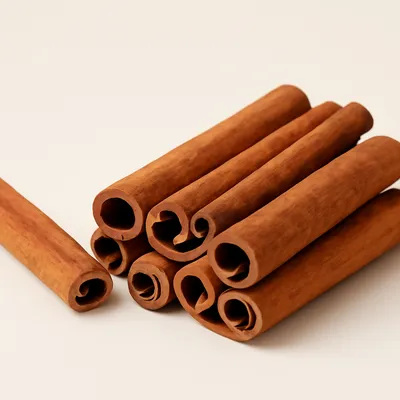


How it's made
11 steps · 50 min active + 40 min waiting
- 110 min
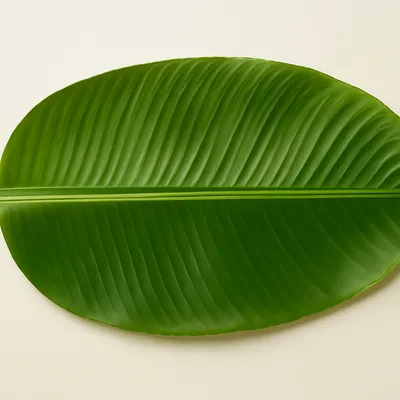
Prepare banana leaves: cut 8 squares (~20 x 20 cm). Pass each over an open flame 2-3 sec per side to make pliable; or briefly microwave.
- 212 min
Grate 800 g sweet potato (orange or white-flesh) finely.
Watch outGrate the sweet potato fine, not coarse — fine shreds bind into a smooth dough; coarse ones stay chunky and loose.
- 38 min
Grate 200 g fresh coconut (or use rehydrated unsweetened desiccated).
- 46 min
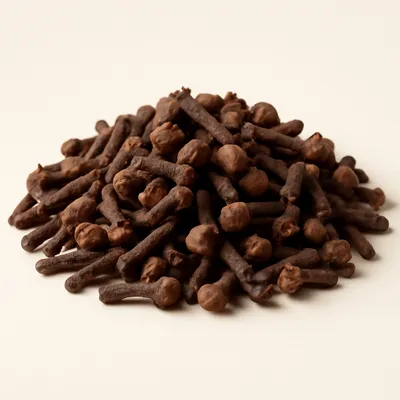
In a large bowl, combine grated sweet potato, coconut, 150 g brown sugar, 80 g all-purpose flour, 2 tsp ground cinnamon, 1 tsp ground nutmeg, 1/4 tsp ground clove, 1 tsp salt, 4 tbsp melted butter, 80 g raisins, 1 tsp vanilla.
- 52 min
Mix to a thick, sticky dough.
- 62 min
Lay a banana-leaf square; place 4 tbsp dough in the center.
- 71 min
Fold the leaf around the dough envelope-style; tie tightly with kitchen twine or thin strips of leaf.
Watch outTie until the parcel feels firm and holds its shape — this seal is what keeps water out.
- 83 min
Bring a large pot of salted water to a boil.
- 937 min
Submerge the ducana parcels; reduce to simmer; cook 35-40 min until firm when poked through the leaf.
Watch outPoke through the leaf — it should feel firm and springy, not soft or squishy, before you lift it out.
- 1011 min
Lift out with a slotted spoon; cool 10 min.
- 111 min
Unwrap and serve warm, with saltfish, fried plantain, or chocolate tea.


