A plain steamed or stirred cake of ground rice, traditionally set with a little limewater that gives it a smooth, slippery firmness. The classic northern version is pale white and barely seasoned, eaten cut into pieces and dipped, often scattered with toasted peanuts; a corn-flour version (banh duc ngo) is yellow and softer. A warm savory bowl, banh duc nong, has revived the dish on Hanoi streets in recent years.
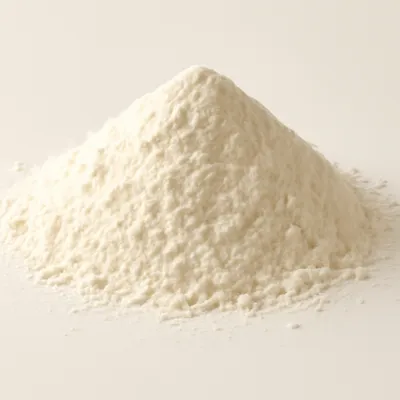


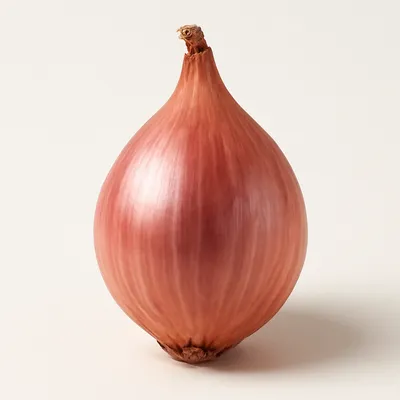

Banh duc is one of the oldest and plainest cakes of the Vietnamese countryside, a frugal village food made from nothing more than ground rice and water set firm. The traditional setting agent was nuoc voi, a clear limewater, which raises the alkalinity of the batter and firms the starch into a sliceable cake; this technique long predates modern recipes and its precise origin is undocumented. For generations it was a poor man's snack of the northern delta, sold from baskets and eaten with shrimp paste or molasses. The warm, soup-like banh duc nong topped with minced pork and wood-ear is a comparatively recent street revival that has made the once-humble cake fashionable again in Hanoi.
The classic cold cake is white, smooth, and faintly springy, with a clean rice taste and almost no seasoning of its own, so everything rides on the dip and the garnish. Cut into chunks or strips, it is slippery on the tongue and snaps cleanly under the teeth from the limewater set. Toasted peanuts add crunch and a roasted note; a spoon of shrimp paste or fish-sauce dip brings the salt. The warm version is soft and porridge-like, the cake yielding under a topping of savory minced pork.
The texture is governed by the limewater. A small, carefully measured amount of clear nuoc voi raises the pH of the rice batter just enough to set the starch into a firm, glassy gel as it cooks; too little and the cake stays loose, too much and it turns bitter and rubbery. The batter must be stirred constantly over low heat as it thickens so the starch gelatinizes evenly without lumping or scorching on the base of the pot. Once thick it is poured to set, then cut cold; the corn version swaps part of the rice for corn flour, giving a softer, yellower crumb.
Variations
Banh duc trang is the plain white northern cake eaten with peanuts and a savory dip; banh duc ngo (or banh duc bap) uses corn flour for a yellow, softer cake; banh duc nong is the warm Hanoi bowl topped with minced pork, wood-ear, fried shallot, and a ladle of broth; southern banh duc la dua is tinted green with pandan and served sweet with coconut sauce and molasses.
On the Palate
Where Banh Duc sits in the Vietnamese flavor cloud
Ingredients
Serves 4How it's made
6 steps · 40 min active + 50 min waiting
- 120 min
Soak rice and grind with water into a smooth thin batter (or whisk rice flour into water until lump-free).
- 25 min
Stir in a small measured amount of clear limewater and a pinch of salt.
Watch outMeasure the clear limewater carefully; a touch sets the batter into a firm, glassy gel, but too much turns the cake bitter and rubbery.
- 325 min
Cook the batter over low heat, stirring constantly, until it thickens into a heavy, glossy paste.
Watch outStir constantly over low heat as it thickens into a heavy, glossy paste; stop stirring and the starch lumps or scorches on the base.
- 430 min
Pour the thick batter into a flat dish or tray and let it set and cool firm.
- 510 min
Toast peanuts and crush them coarsely; prepare a fish-sauce or shrimp-paste dip.
- 65 min
Cut the set cake into chunks or strips, scatter with peanuts, and serve with the dip.
Archive tool suggestions — not reviewed
These legacy suggestions have not been evidence-reviewed and are not presented as required tools.



