Cèpes à la bordelaise is the iconic autumn mushroom dish of southwest France: fresh cèpes (Boletus edulis, the porcini) sliced thick and seared hard in oil or duck fat, then finished with a persillade of chopped garlic and flat-leaf parsley stirred through at the very end, often with a little shallot. The caps are cut into thick slices and the stems chopped separately, so the meaty caps brown while the firmer stems add bite. Though it carries the Bordeaux name, it is cooked across the Gironde, the Landes and the Périgord wherever the cèpes flush after autumn rain. It is served as a side or a course on its own, with bread to mop up the fragrant pan juices.





The cèpe gives southwest France one of its great seasonal harvests, flushing in the pine and oak woods of the Gironde, the Landes and the Périgord after the first autumn rains. The bordelaise treatment — a hard sauté finished with garlic and parsley — became anchored in Aquitanian cooking from the eighteenth and nineteenth centuries, when the mushroom moved from forest forage to the family table, served with crusty bread. The name links the dish to Bordeaux and its surrounding pine forests, but the preparation is shared across the region and is not exclusive to the city; it is less an invented recipe than the regional default for a basket of fresh cèpes. The persillade finish is the constant that defines it.
A good plate of cèpes à la bordelaise smells of forest and toasted garlic before it reaches the table. The cap slices are deeply browned at the edges, dense and almost meaty, slightly chewy where the heat caught them, with the woody, nutty depth that only fresh porcini carry. The persillade hits late and sharp — raw garlic warmed but not burnt, grassy parsley — cutting the richness of the duck fat. Done right the mushrooms are seared and glossy, never the grey, slippery, water-logged thing they become if washed or crowded in the pan.
The whole dish turns on driving off water. A fresh cèpe is around ninety percent water held in a porous, sponge-like flesh, so it must never be washed or soaked — it would bloat and then weep that water into the pan, where it buffers the oil temperature and steams the mushroom instead of browning it. Clean it dry, with a brush or a barely damp cloth. Sear the slices hard and in a single layer so the moisture flashes off fast and the surface climbs past the temperature where the Maillard reaction can build the browned, nutty crust. The garlic-and-parsley persillade goes in only at the end, off the worst of the heat, because garlic scorches and turns bitter in seconds at sauté temperature.
Variations
The fat is a regional tell: Bordeaux cooks often reach for olive oil, while across the Périgord and the Gers it is duck or goose fat, which carries the dish toward the confit kitchen. Some add a splash of the chopped stems for texture, others a squeeze of lemon or a little shallot; a few deglaze with a spoon of stock. The same persillade treatment is given to other firm wild mushrooms, but the cèpe's dense, non-watery cap is what makes the bordelaise version hold its sear.
On the Palate
Where Cèpes à la Bordelaise sits in the French flavor cloud
Ingredients
Serves 4How it's made
6 steps · 25 min active + 5 min waiting
- 15 min
Clean the cèpes dry with a brush or barely damp cloth; never wash or soak them.
Watch outClean the cèpes dry with a brush, never under the tap — the sponge-like flesh soaks up water and then weeps it into the pan, steaming the mushroom grey instead of searing it brown.
- 24 min
Separate the caps from the stems; slice the caps thick and chop the stems small.
- 32 min
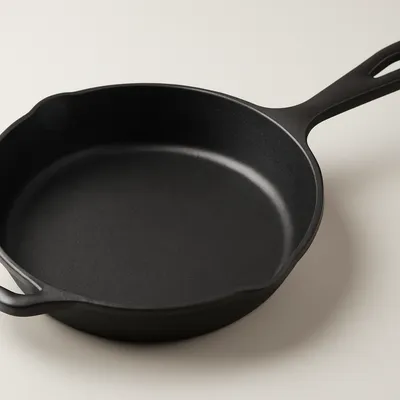
Heat oil or duck fat in a wide pan until very hot; lay the cap slices in a single layer.
- 413 min
Sear the caps hard for 10 to 15 minutes, turning, until deeply browned; season.
Watch outLay the slices in one layer and leave them alone until deeply browned — crowd the pan or flip too soon and they release liquid and stew pale instead of crusting.
- 54 min
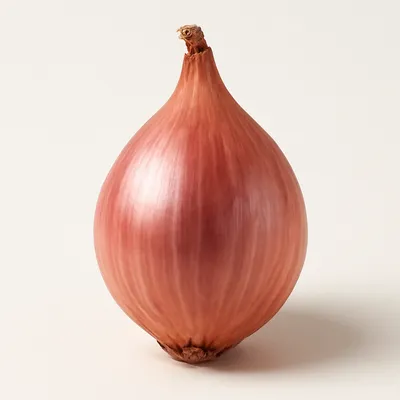
Add the chopped stems (and a little shallot, if using) and cook a few minutes more.
- 62 min
Off the strongest heat, stir in the garlic-and-parsley persillade for about a minute and serve.
Archive tool suggestions — not reviewed
These legacy suggestions have not been evidence-reviewed and are not presented as required tools.