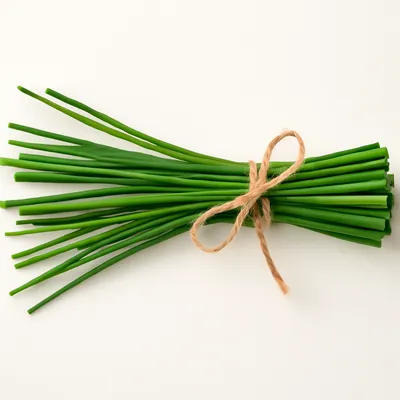
The textbook soft French omelette, folded over a flurry of the four fines herbes — parsley, chervil, chives and tarragon — chopped fine and beaten through the eggs. Cooked fast in a buttered pan and rolled while the centre is still creamy and barely set (baveuse), it is pale gold and unbrowned, a smooth cushion rather than the firm, coloured omelette of other cuisines. Simple as it is, the French omelette is a classic test of technique, the herbs giving it its name and its fresh, anise-scented lift.




The omelette is old and pan-European, but the soft, rolled, unbrowned style is the codified French one, set out in the classic repertoire; the four fines herbes — persil, cerfeuil, ciboulette and estragon — are the canonical French herb blend, and an omelette dressed with them is one of the standard preparations in Escoffier's Le Guide Culinaire (1903). The fines herbes combination is itself a fixture of French cooking, used to finish sauces, eggs and grills. The dish carries no single regional home — it is pan-French bistro and home cooking, the benchmark omelette against which a cook's hand is judged. The mythical 'omelette de la mère Poulard' of Mont-Saint-Michel is a separate, beaten-and-frothed style.
The outside is the palest gold, smooth and unbroken, with no brown crust at all; cut in and the inside is soft, moist and just barely set, almost custardy at the heart — the baveuse texture the French prize. The eggs taste of butter and of themselves, and through them runs the fresh green note of the herbs: grassy parsley, delicate chervil, sharp chive and the faint liquorice of tarragon. It is light and tender, gone in a few forkfuls, a thing of texture and freshness rather than richness. A second of overcooking and it firms and dries, which is why it is made fast and served at once.
A French omelette is about controlling coagulation: eggs are beaten just enough to blend, then poured into foaming butter over brisk heat and stirred constantly with the flat of a fork for the first seconds so they set as countless tiny soft curds rather than one solid sheet. As the base just sets, the stirring stops, the pan is tilted and the omelette rolled onto itself, the still-loose interior cooking only from residual heat to stay creamy. The butter must foam but not brown — that foaming is the water boiling off and signals the right temperature — and the pan must be hot enough to set the egg quickly but not so hot it colours. The herbs are added raw to the beaten egg; chervil and tarragon are delicate and lose their scent if cooked hard, so the brief cooking protects them.
Variations
Plain, the omelette nature is the same technique without herbs; classic fillings name the rest — au fromage (grated Gruyère), aux champignons (mushroom), au jambon (ham), or the luxurious aux truffes. A flat, firmer omelette set through and browned is the more rustic style, closer to a Spanish tortilla or an Italian frittata, which are separate dishes. The fines herbes themselves can dress scrambled eggs, an omelette, or be folded into butter; if tarragon is left out the blend leans milder and greener. The Mont-Saint-Michel omelette, beaten to a froth and cooked over a wood fire, is a souffléed style apart.
On the Palate
Where Omelette aux Fines Herbes sits in the French flavor cloud
Ingredients
Serves 1How it's made
6 steps · 12 min
- 13 min
Finely chop the parsley, chervil, chives and tarragon.
- 21 min
Beat the eggs lightly with salt, pepper and the chopped herbs, just until blended.
- 31 min
Heat butter in a non-stick or seasoned pan until it foams but has not browned.
Watch outTake the butter to a foam but not a hint of brown — the foaming is the water boiling off and tells you the pan's at the right heat; browned butter means it's too hot.
- 41 min
Pour in the eggs and stir briskly with the flat of a fork for the first few seconds as they begin to set into soft curds.
Watch outStir briskly with the flat of the fork the first few seconds — that's what sets it into countless soft curds instead of one rubbery sheet.
- 51 min
Stop stirring as the base sets, tilt the pan and roll the omelette over the still-creamy centre.
Watch outRoll it while the center is still loose and creamy — residual heat finishes the inside; wait until it's fully set and the omelette dries out stiff.
- 61 min
Turn it out seam-side down onto a warm plate, smooth with a little butter, and serve at once.
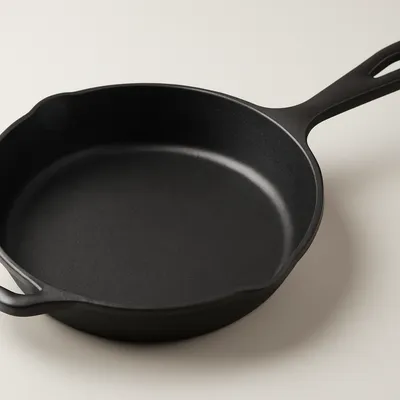
Archive tool suggestions — not reviewed
These legacy suggestions have not been evidence-reviewed and are not presented as required tools.