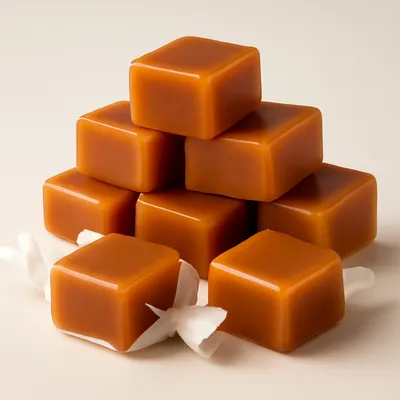
A bistro dessert of soft-poached mounds of meringue floating in a pool of cold vanilla custard, finished with a drizzle of caramel and sometimes toasted almonds. Known both as ile flottante — a single large island — and oeufs a la neige, snow eggs, when made as individual small meringues.



Ile flottante is a French dessert whose documented recipe lineage runs to François-Pierre de La Varenne's 1651 Le Cuisinier français; the earliest known English-language reference dates to 1747. It began as a farmhouse and bistro preparation rather than a court dish, and over the nineteenth and twentieth centuries it became one of the ubiquitous desserts du jour of the French brasserie. The name ile flottante — floating island — describes a single large meringue afloat on custard; the near-synonym oeufs a la neige — eggs in the snow — properly refers to individual small quenelles of meringue, though the two are commonly conflated.
A spoon breaks the soft meringue — it yields with a slight spring, almost spongy, the albumin set but still delicate — and sinks into the cold, thin vanilla custard beneath. The custard is silky and lightly sweet; the caramel drizzle on top has hardened into thin brittle threads that snap under the spoon. Eaten cold, the contrast is between the cloudlike meringue, the smooth custard, and the sharp crack of the caramel.
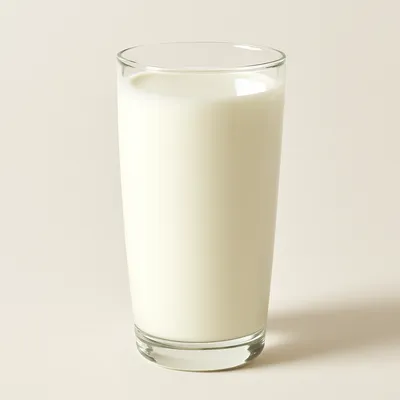
Ile flottante turns on three mechanisms. First, the meringue is poached, not baked: egg whites whipped to soft peaks are shaped and slipped into barely simmering milk, where the albumin coagulates at roughly sixty-two to sixty-five degrees, setting the foam into a delicate, spongy mass that holds its shape yet stays pillowy. Second, that same poaching milk becomes the creme anglaise: egg yolks are whisked in with sugar and the mixture cooked gently to the nappé stage — about eighty-two to eighty-five degrees — where yolk proteins thicken the sauce; taken hotter, they scramble and curdle. Third, the caramel drizzle uses the same amorphous-sugar-glass physics as the croquembouche, but here it is spun thin and hardens on contact with the cool meringue into a brittle lace.
Variations
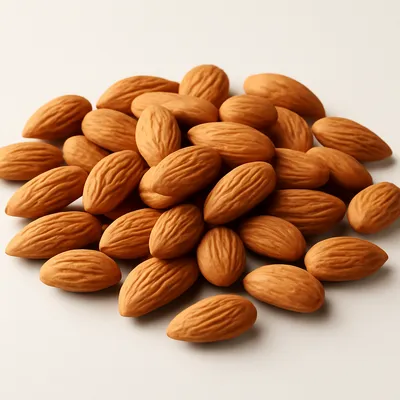
Some versions bake one large meringue on a base of creme anglaise rather than poaching individual quenelles; toasted almonds, praline, or pistachio are common finishes. The bistro standard remains poached meringue, cold creme anglaise, and caramel.
On the Palate
Where Ile Flottante sits in the French flavor cloud
Ingredients
Serves 4How it's made
6 steps · 25 min
- 15 min
Warm milk with vanilla in a wide pan until barely simmering.
- 28 min
Whip egg whites to soft peaks with sugar, shaping quenelles on a wet spoon.
- 38 min
Slip the meringues into the milk and poach gently, a minute per side, then lift out and drain.
Watch outPoach the meringues in barely-simmering milk, a minute a side — let the milk boil and the delicate egg-white foam toughens and weeps.
- 412 min
Strain the warm milk; whisk it into yolks and sugar, then cook gently over water to the nappe stage.
Watch outCook the custard gently only to the nappe stage where it coats a spoon — a touch hotter and the yolks scramble and the sauce curdles.
- 55 min
Chill the creme anglaise; arrange the meringues on top to float.
- 65 min
Drizzle spun caramel over the meringues and finish with toasted almonds if liked.
Archive tool suggestions — not reviewed
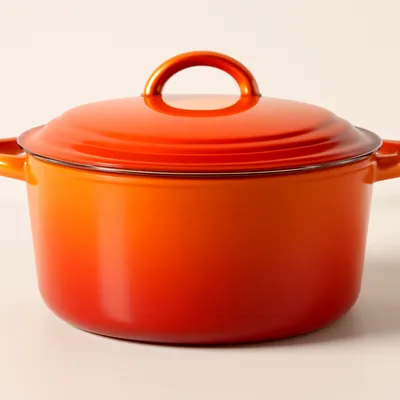
These legacy suggestions have not been evidence-reviewed and are not presented as required tools.