

Limerick baked ham is a traditional Irish Sunday dinner centerpiece. The technique of boiling the ham first (in cider or water) tenderizes the meat and removes excess salt, then the glaze (whiskey, sugar, mustard) is applied and baked for caramelization. The Limerick region is known for its ham curing traditions.
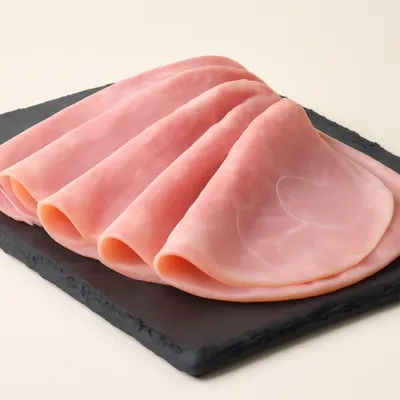
A slice of pink ham with a dark, sticky, caramelized glaze on the edges. The meat is tender and slightly sweet from the cider boil; the glaze is sweet, boozy (from whiskey), and tangy (from mustard). With colcannon, it's an Irish feast.
The boiling step (in cider) accomplishes three things: it removes excess curing salt, tenderizes the connective tissue, and infuses the cider's fruit sugars into the meat. The baking step with the glaze creates Maillard browning and caramelization on the surface. The whiskey in the glaze adds volatile aromatics that permeate the ham during the brief, hot bake.
Variations
Some use Guinness instead of cider; the glaze varies (honey, marmalade); served hot or cold.
On the Palate
Where Limerick Baked Ham sits in the Irish flavor cloud
Ingredients
Serves 8How it's made
6 steps · 45 min active + 4 hours 15 min waiting
- 15 min
Place a cured ham joint in a large pot; cover with cider or water.
- 2120 min
Simmer 2 hours until tender.
Watch outSimmer the ham low and lazy for two hours — a rolling boil toughens the meat instead of tenderizing it.
- 35 min
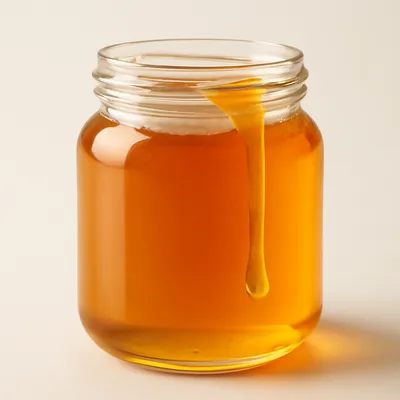
Mix glaze: whiskey, brown sugar, mustard, honey.
- 45 min
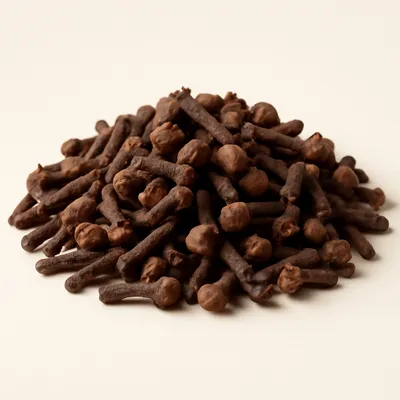
Remove ham; score the fat; stud with cloves.
Watch outScore the fat into a shallow diamond grid without cutting to the meat — this opens up more surface for the glaze to catch and caramelize.
- 55 min
Brush glaze over the ham.
- 630 min
Bake at 200°C for 30 min until glazed and caramelized.
Watch outBake until the glaze bubbles and sets to a deep, sticky amber — watch closely at the end, the sugar tips from caramel to burnt fast.
Archive tool suggestions — not reviewed
These legacy suggestions have not been evidence-reviewed and are not presented as required tools.


