
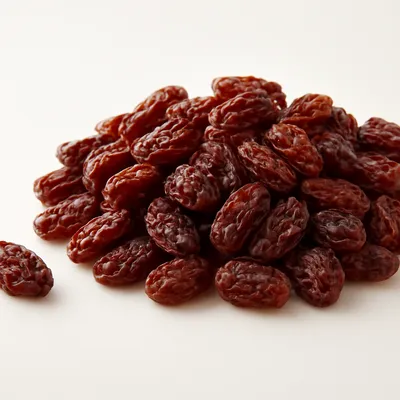
A sweet fruited tea-loaf — sultanas, raisins, and currants soaked overnight in strong black tea and whiskey, folded into a spiced flour-and-sugar batter, baked into a dense slightly-cake-slightly-bread loaf. Halloween tradition includes hiding charms inside that predict the eater's year — ring for marriage, coin for wealth, stick for unhappy union, cloth for poverty.




The name from Irish 'báirín breac' meaning 'speckled loaf'. Originally a yeasted festival bread, the modern home version using baking soda or self-raising flour became standard in the 20th century. Halloween fortune-telling charms were widespread in rural Ireland until food-safety concerns mostly retired the practice — modern bakeries hide a single ring instead.
Slice is mahogany-brown with a topography of black-purple fruit. Crumb is dense but not dry — the long tea soak has rehydrated every raisin into a juice burst. Whiskey aroma rises behind the warm spices. Heavy butter melts into the warm slice and the fruit-juice slowly pools on the plate. Best with a strong cup of tea, of course.
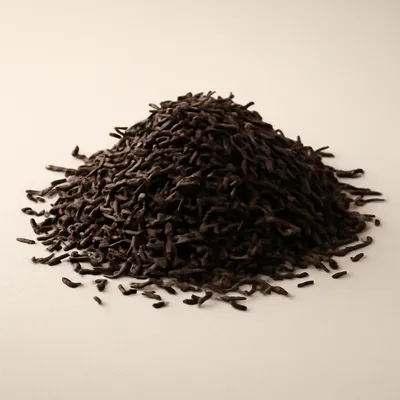
Overnight tea-and-whiskey soak does two things: rehydrates the dried fruit so it doesn't pull water from the batter (which would dry the crumb), and infuses the fruit with tannins and alcohol-soluble flavor compounds. The strong tea also bitter-balances the sugar. Self-raising flour means no waiting for yeast — the structure comes from chemical leavening at oven heat.
Variations
The older yeasted version is leavened with barm — the yeast-rich froth from fermenting ale — or a small amount of baker's yeast, and takes several hours to rise. The easier tea brack skips the yeast: the fruit steeps overnight in cold tea and the loaf is raised with self-raising flour or baking soda, and the alcohol can be left out. Some bakers add candied cherries or chopped almonds. A few swap the tea for Irish stout, which lends a darker, malty depth.
On the Palate
Where Barmbrack sits in the Irish flavor cloud
Ingredients
Serves 10

How it's made
8 steps · 20 min active + 11 hours 40 min waiting
- 110 min
Night before: combine 200 g sultanas + 150 g raisins + 100 g currants + 1 chopped candied peel + 250 ml strong hot black tea + 60 ml Irish whiskey in a bowl. Soak overnight, covered.
Watch outSoak the fruit until it's plump and swollen — dry fruit steals water from the batter and leaves the crumb parched.
- 25 min
Next day: preheat oven to 170°C. Line a 23 cm loaf tin with parchment.
- 31 min
Beat 1 egg into the fruit-and-tea mixture (don't drain).
- 42 min
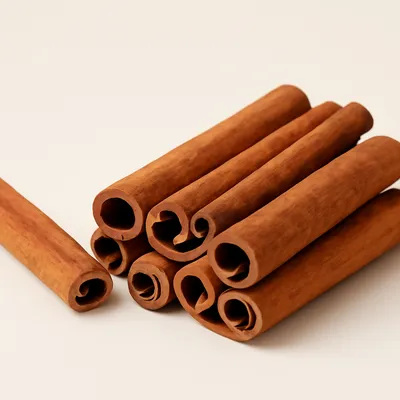
In a separate bowl: whisk 350 g self-raising flour + 200 g brown sugar + 1 tsp mixed spice + ½ tsp cinnamon + ¼ tsp salt.
- 53 min
Fold the fruit-mixture into the dry — stir until just combined, batter is thick and wet.
- 63 min
Optional charms: wrap each in foil or parchment. Push into the batter, scattered, before baking. (Modern: skip charms or use one ring only.)
- 770 min
Pour into tin. Bake 65-75 min until skewer comes out clean. If browning too fast, cover with foil.
Watch outTest with a skewer — it comes out clean and dry when done; if the top darkens too fast, tent it with foil and keep going.
- 825 min
Cool in tin 15 min, then on rack. Wrap; flavor deepens after a day. Slice and butter heavily.


