
Levantine syrup drink of carob/date molasses + grape molasses + rose water, diluted with cold water over crushed ice with pine nuts and raisins floating on top.


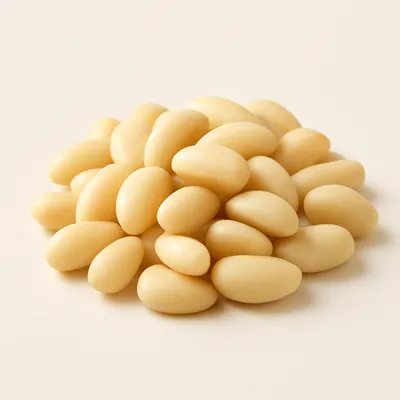
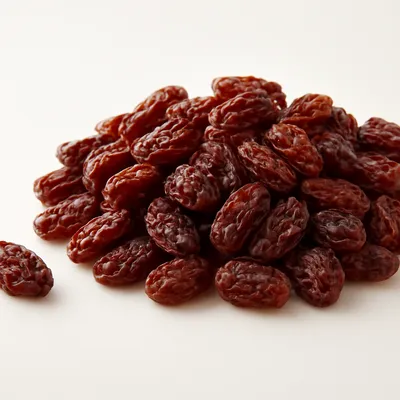

Damascus and Aleppo street drink, attested in Ottoman-era cafés; the name may derive from the Persian gulab (rose water), though its etymology is uncertain and disputed. Damascus brand Marco Polo and Lebanese Cortas have bottled the concentrate since the early 20th century — most modern versions use date molasses (dibs) rather than carob.
Ramadan iftar is the high season — break-fast tables in Beirut and Damascus pour it alongside qamar al-din (apricot leather drink). The pine nuts aren't decorative; they replenish energy after a fasting day.
Deep mahogany-purple, almost root-beer dark. Floral-smoky from rose water and the molasses, sweet but not cloying — the dilution is critical. Pine nuts and golden raisins float; you fish them out with a long spoon at the end like a tiny prize.
Concentrate is cut roughly 1:4 with cold water — too concentrated and the molasses bitterness comes through, too dilute and the rose disappears. Pine nuts must be raw and pre-soaked in cold water 30 minutes so they sink halfway and don't float bone-dry.
Variations
Syrian jallab leans heavier on grape molasses (dibs el-3enab), sweeter and rounder. Lebanese style uses date molasses and is darker. Palestinian version sometimes adds mastic resin or musk willow water (mai zhour). Iraqi sharbat al-zabib is a raisin-cousin from the same family.
On the Palate
Where Jallab sits in the Lebanese flavor cloud
Ingredients
Serves 1How it's made
3 steps · 4 min
- 12 min
In a tall glass, combine 30 ml carob/date molasses + 15 ml grape molasses + 5 ml rose water.
Watch outKeep the molasses-to-rose ratio honest — a heavy hand on the molasses turns it bitter, too light and the rose vanishes.
- 21 min
Top with 200 ml cold water and crushed ice; stir to combine.
- 31 min
Float 1 tbsp pine nuts + 1 tbsp raisins on top; serve immediately.
Watch outPre-soaked pine nuts should sink halfway, not float bone-dry on top — that's how you know they've taken on enough water.


