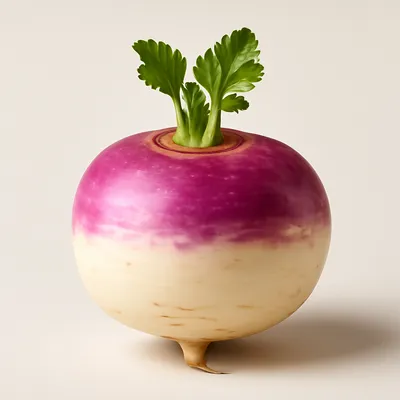


A Levantine staple across Lebanon, Syria, Palestine and Jordan — the magenta-by-beet trick is documented in late-Ottoman cookbooks of the 19th century and likely older in village preservation. Beet was the cheap natural dye available year-round; before the beet, plain turnip pickles were the norm. The pink is decorative now but originally signaled a pickle good enough to brine with something else expensive.
Levantine — Lebanon, Syria, Palestine, Jordan; the magenta-by-beet trick shows up in late-Ottoman 19th-century cookbooks. A 5–7% salt brine plus a splash of vinegar drives lactic-acid fermentation in week one, vinegar locks acidity afterward. Two weeks minimum — under one and they taste of raw turnip with food coloring.
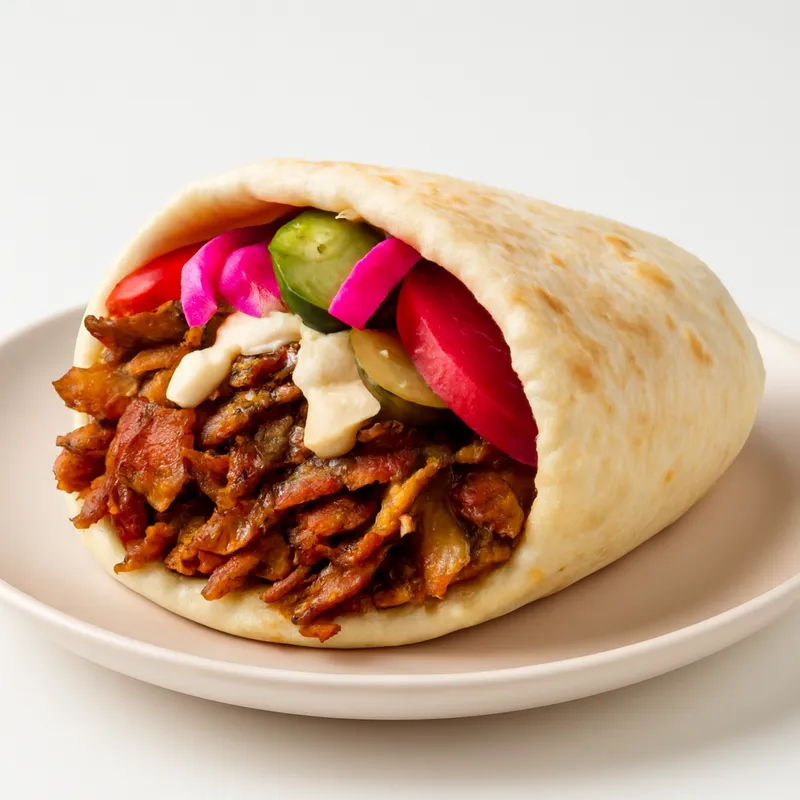
Batons of white turnip, dyed magenta-pink by a single slice of raw beet sitting in the brine. Sour-salty, slight horseradish bite from the turnip's own glucosinolates. Served alongside falafel, shawarma, kebab plates as a palate cut. Crunch must be loud; if it's gone soft, the brine sat too long or the turnips were old.
The brine is a 5–7% salt solution with a splash of vinegar — the salt does the preservation through lactic-acid fermentation in the first week, and vinegar locks acidity afterward. Beet color migrates through betalain pigments, which are water-soluble and most stable across pH 3–7 (degrading above 7), so the pink holds in the brine but bleeds in alkaline water. Two weeks minimum before they're ready; under one week they taste of raw turnip with food coloring.
Variations
Lebanese kabis lifet (the standard, beet-pink); Palestinian version runs heavier on garlic; Syrian Aleppo style adds a strip of carrot; Iraqi torshi includes turnip in a mixed jar with eggplant and cauliflower; Iranian torshi liteh is the chopped-mash relative.
On the Palate
Where Pickled Turnips sits in the Lebanese flavor cloud
Ingredients


How it's made
5 steps · 7 days
- 1301 min
Peel and slice turnips and beets into wedges.
- 24513 min
Dissolve salt in water to create a brine solution.
Watch outMix the salt into the water until it's fully dissolved and taste-salty like the sea — too weak a brine and the ferment goes slimy instead of tangy.
- 3376 min
Layer turnips and beets in a jar with bay leaves.
- 44513 min
Pour vinegar and brine over the vegetables.
Watch outPour the brine so it fully covers every wedge and press out air pockets — anything poking above the liquid grows mold instead of pickling.
- 5376 min
Seal the jar and let it ferment for a week.
Watch outGive it two full weeks, not one — under a week they still taste of raw turnip with beet color and no real sour bite.