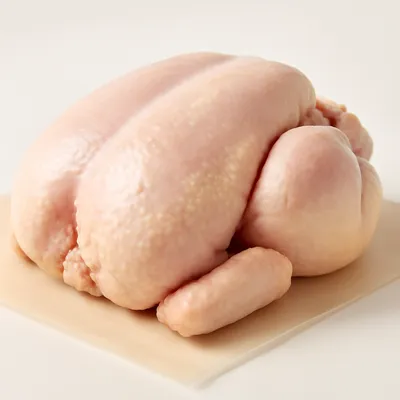
A Lebanese garlic sauce documented in Beirut and Mount Lebanon kitchens by the 19th century, though garlic-and-oil emulsions go back to medieval Andalusian cookery (the same root produces Provençal aïoli). The egg-free version — held together purely by garlic's sulfur compounds and mechanical force — is specifically Lebanese and is what distinguishes toum from aïoli or Greek skordalia.
Lebanese garlic emulsion documented in 19th-century Beirut and Mount Lebanon kitchens; same medieval Andalusian root as Provençal aïoli, but egg-free — held together purely by allicin and other thiosulfinates acting as natural emulsifiers. A whole head of garlic per cup of oil is the floor; less and the emulsion can't hold.
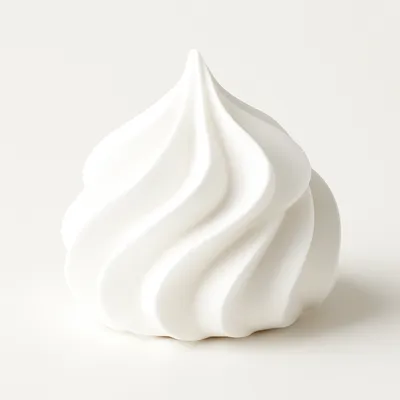
A snow-white emulsion of garlic, oil, lemon juice and salt — no egg, no dairy. Texture between mayonnaise and meringue: stiff peaks, pure-garlic burn that fades over a couple of seconds rather than lingering raw. Served the size of a small scoop next to charcoal-grilled chicken (shish taouk) or shawarma. A teaspoon is enough; full tablespoon will own the meal.
It works without egg because garlic's allicin and other thiosulfinates act as natural emulsifiers — they have both polar and nonpolar regions, like a phospholipid. Oil must drizzle in at near-thread thinness while the processor runs, and lemon juice alternates in to keep the pH and viscosity moving. Break it once and it splits permanently. A whole head of garlic per cup of oil is the floor; less and the emulsion can't hold.
Variations
Lebanese (snow-white, stiff peaks, neutral oil); Provençal aïoli (egg yolk, olive oil); Greek skordalia (potato or bread thickener, vinegar-forward); Catalan allioli (the original, can be egg-free with patience); Syrian thoom uses a touch of mint; restaurant versions at Tawlet (Beirut) press the garlic with a wooden mortar before processing.
On the Palate
Where Toum sits in the Lebanese flavor cloud
Ingredients
How it's made
5 steps · 20 min
- 14 min
Peel and crush the garlic cloves into a paste.
- 22 min
Add a pinch of salt to enhance the flavor.
- 32 min
Slowly drizzle in olive oil while blending to emulsify.
Watch outDrizzle the oil in a thread so thin it's barely a trickle while the blade runs nonstop — pour too fast and the emulsion breaks and never comes back.
- 45 min
Incorporate lemon juice gradually, maintaining consistency.
Watch outAlternate in a splash of lemon whenever it looks too stiff — the acid keeps it loosened and moving so it can keep taking oil.
- 55 min
Continue blending until the mixture is smooth and creamy.
Watch outStop the moment it turns glossy white and holds a peak — over-blending heats it and can crack the emulsion.
Archive tool suggestions — not reviewed
These legacy suggestions have not been evidence-reviewed and are not presented as required tools.
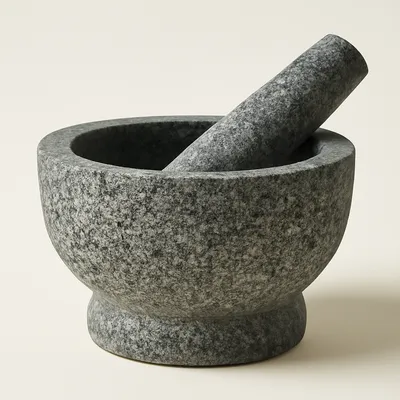
The simplest tool in any kitchen: a heavy bowl and a club to bash things in it. Different cuisines use different stones — Thai cooks pound green papaya in a tall granite mortar (krok hin); pesto Genovese requires the soft-pored Carrara marble; Indian masalas grind down on rough basalt. The bash-don't-cut motion releases volatile oils that a blade keeps sealed in the cell wall.
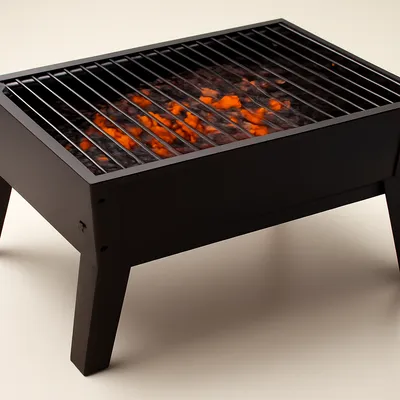
An open or hooded metal frame holding a bed of glowing charcoal embers, with a grate above. Charcoal burns at 700°C+ on the surface and emits short-wave infrared, which cooks proteins faster and with deeper Maillard browning than gas. Hardwood lump charcoal (oak, mesquite, fruitwood) lends its own smoke; cheap briquettes do not. Mastery is mostly heat zoning — direct over coals for searing, indirect off-coals for slow-roasting.