
Yemeni drink brewed from dried coffee-cherry husks (not the bean) with ginger and cardamom — the original Mocha export before the West fell for the bean.



Sufi monasteries in 15th-century Yemen — Mocha and the highlands around Bayt al-Faqih — drank qishr to stay awake for night devotions. When Yemen monopolized the world coffee trade out of the port of Mocha (al-Mokha) until the early 1700s, husks were the local drink while beans were exported.
Cascara — the trendy specialty-coffee drink of the late 2010s — is qishr rebranded; Blue Bottle and Square Mile both sold cascara around 2013-2017 before EU novel-food rules slowed it down. Yemenis have been drinking it for 600 years.
Light amber-tea color, nothing like dark coffee. Tastes like dried hibiscus crossed with weak coffee — fruity, slightly tannic, ginger forward, cardamom on the tail. Served in small glasses, often with a cube of sugar held between teeth, Yemeni-style.
Husks are simmered, not steeped — 10-15 minutes at a low boil to extract from the dried fruit fiber. Caffeine content is roughly a quarter of brewed coffee since most caffeine sits in the bean. Ginger is fresh-grated; ground spices muddy the cup.
Variations
Sanaa-style qishr leans heavy on ginger. Tihama lowland version uses cinnamon stick alongside cardamom. Some Hadhrami homes blend qishr with a small amount of ground bean to deepen the cup; Saudi qishr brought across the border tilts sweeter, with sugar simmered in the pot.
On the Palate
Where Qishr sits in the Yemeni flavor cloud
Ingredients
Serves 2How it's made
3 steps · 5 min active + 10 min waiting
- 13 min
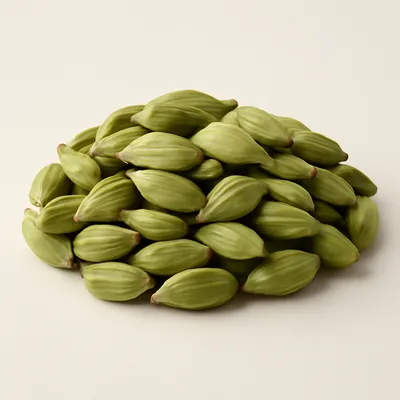
Combine 30 g dried coffee cherry husks + 1 tbsp grated ginger + 4 cardamom pods + 1 L water in a pot.
- 210 min
Bring to gentle boil; simmer 10 min.
Watch outSimmer the husks 10 minutes, don't just steep — the flavour lives in the dried fruit fibre and needs a low boil to draw out.
- 32 min
Strain into small cups; sweeten with honey or sugar to taste.


