
Sahawiq in Yemeni Arabic, zhoug after Yemenite Jews carried it to Israel during the 1949-50 Operation Magic Carpet airlift. Now standard in every Tel Aviv falafel shop and the default heat for sabich and shawarma countrywide.
Trader Joe's launched a U.S. version in 2017 that pushed zhoug into mainstream American kitchens. Yemenite Israeli cookbook author Janna Gur calls it the country's most-eaten condiment after hummus.
Bright green when fresh, oxidizing to olive within a day. Sharp green-chili heat hits first, then cilantro and cardamom, with a slow garlic burn. Texture is loose and oily — meant to drip into pita.
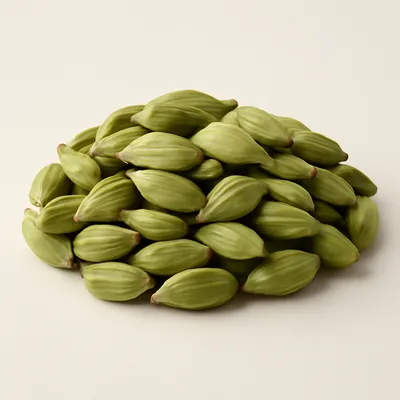
Cardamom is the tell — without it the paste tastes like generic cilantro chili. Pound (don't blend) garlic and salt first to a paste, then chilies, then herbs last so they bruise but don't liquefy. Olive oil at the end loosens; lemon juice brightens but speeds oxidation.
Variations
Green sahawiq (jalapeño/serrano + cilantro) is the default. Red sahawiq uses dried red chilies and tomato paste — common in Aden. Zhoug adom (Israeli red) adds ripe tomato and runs sweeter. The Sephardic version often skips cardamom; purist Yemenites consider that wrong.
On the Palate
Where Zhoug sits in the Yemeni flavor cloud
Ingredients
Serves 4
How it's made
4 steps · 16 min active + 2 min waiting
- 15 min
Stem and chop 200 g green chilies + 1 large bunch cilantro + 1/2 bunch parsley.
- 28 min
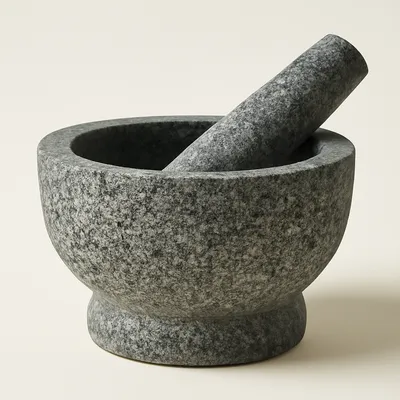
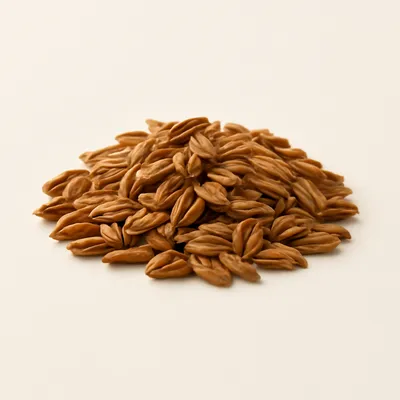
Pound in mortar with 6 garlic cloves + 1 tsp cumin + 1 tsp cardamom + 1 tsp salt.
Watch outPound, don't blend — garlic and salt to a paste first, herbs last so they bruise and stay flecked green, not spun into a smooth purée.
- 33 min
Slowly stir in 80 ml olive oil to bind.
Watch outDrizzle the oil in slowly at the end just to loosen it — the cardamom-cilantro should stay a thick spoonable paste, not a thin sauce.
- 42 min
Jar; refrigerate; use as condiment for stews, eggs, bread.
Archive tool suggestions — not reviewed
These legacy suggestions have not been evidence-reviewed and are not presented as required tools.