
Slow-cooked lamb and fragrant basmati rice infused with black lime and saffron, creating a deeply aromatic and tender dish.




From Hadhramaut in eastern Yemen, where it was originally cooked in a tandoor-style underground clay pit (the taboon). Hadhrami merchants and migrants spread mandi across the Arabian peninsula from the 14th–15th century onward, which is why it's now a Gulf-wide dish but Yemeni in origin. Distinguished from kabsa by separate cooking of meat and rice, and from machboos by the underground-pit smoke profile.
From Hadhramaut in eastern Yemen, originally cooked in an underground clay-pit taboon. Hadhrami merchants spread it Gulf-wide from the 14th century. Meat and rice cook separately — that's the structural split from kabsa, and why mandi rice stays grain-distinct.
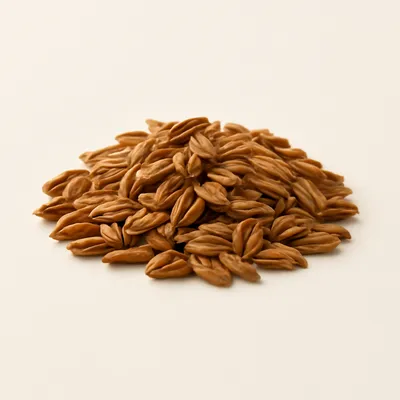
Long-grain basmati stained yellow with saffron and cumin, lamb shoulder slow-cooked separately then placed on top, sometimes with a piece of charcoal smoking under a foil cover for the last minute at the table. The smoke seals into the rice. Eaten by hand from a shared platter; the rice should be loose grain by grain, not clumping.
Cooking meat and rice separately is the structural difference from kabsa — the lamb juices don't soak into the rice from the bottom up, so the rice stays grain-distinct. Then the meat juices are drizzled over only at the end, controlled. The smoke trick (dukhan) at the table — burning charcoal in a small dish under a sealed lid — gives the volatile aromatics that the underground pit used to provide.
Variations
Lamb mandi (the original); chicken mandi (faster, lighter); Hadhrami pit-style with actual underground taboon vs. urban oven version; Saudi mandi adds more cardamom; UAE mandi runs sweeter with date in the rice.
On the Palate
Where Mandi sits in the Yemeni flavor cloud
Cook the meat and rice separately, then drizzle the lamb juices over at the end: that control is what keeps every rice grain distinct instead of a bottom-up-soaked pilaf.
Ingredients



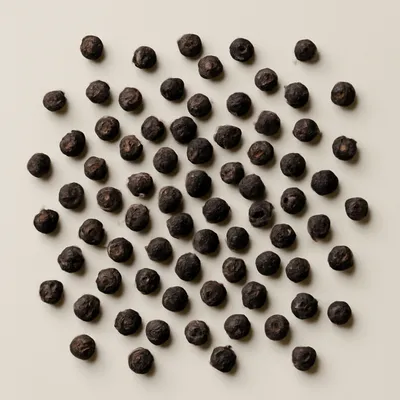

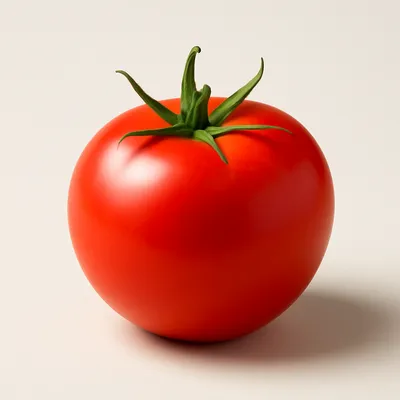
How it's made
5 steps · 6 hours
- 1223 min
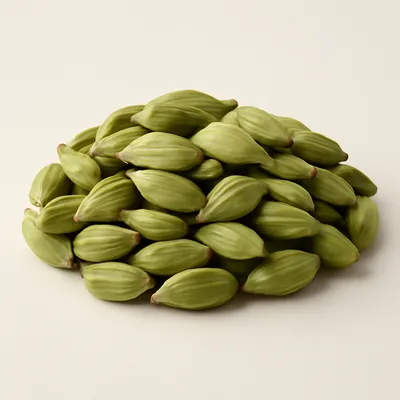
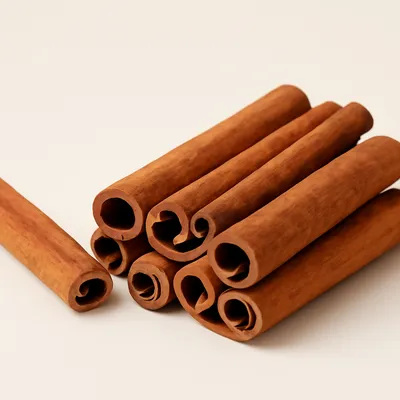
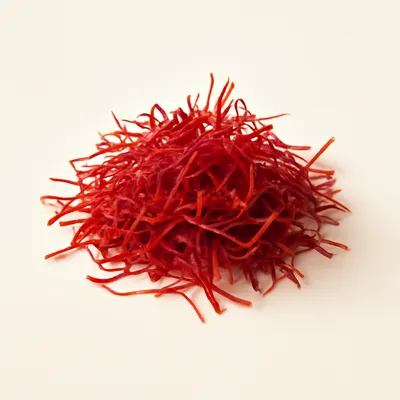
Marinate lamb with saffron, cardamom, cinnamon, and black lime.
Watch outRub the spice-and-saffron paste right into the lamb and let it sit — the marinade needs time to reach past the surface.
- 219 min
Cook basmati rice with bay leaf until fragrant.
- 319 min
Place lamb over the rice in a clay oven or tightly covered pot.
- 493 min
Bake until the lamb is tender and rice is fully cooked.
Watch outKeep the pot tightly sealed as it bakes; you're steaming the rice and lamb, so lost steam means dry rice.
- 57 min
Serve with a garnish of fried onions and tomatoes.
Archive tool suggestions — not reviewed
These legacy suggestions have not been evidence-reviewed and are not presented as required tools.
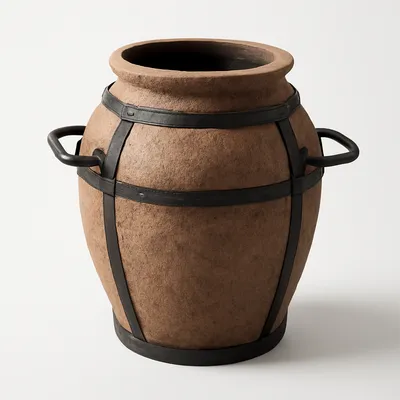
A vertical clay cylinder, 1-1.5 m tall, fired by a charcoal or wood pit at the bottom — the inner walls reach 480°C. Naan dough is slapped against the side and pulls free in 60 seconds, blistered and chewy; chicken on long iron skewers cooks dangling over the embers. Restaurant tandoors are gas-or-electric clones, but the original clay cylinder gives bread an aroma the modern versions can't quite replicate.
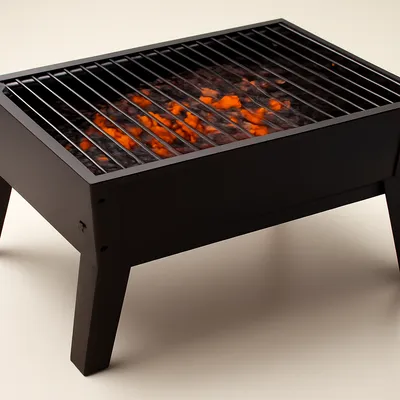
An open or hooded metal frame holding a bed of glowing charcoal embers, with a grate above. Charcoal burns at 700°C+ on the surface and emits short-wave infrared, which cooks proteins faster and with deeper Maillard browning than gas. Hardwood lump charcoal (oak, mesquite, fruitwood) lends its own smoke; cheap briquettes do not. Mastery is mostly heat zoning — direct over coals for searing, indirect off-coals for slow-roasting.


