
Amdo's hand-torn flake-noodle soup (gyathuk) — a Tibetan thukpa. A wheat dough is pinched and torn by hand into small flat pieces (or pulled into short noodles) and cooked in a clear yak-and-beef bone broth with beef, daikon and cabbage, finished with green scallion and a spoonful of chili sauce.




Gyathuk comes from Amdo, the northeastern Tibetan plateau (around Qinghai and Gansu) — a long-mixed farming-and-herding frontier. It belongs to the Tibetan noodle-soup family alongside Lhasa-style Tibetan noodles, and in technique sits closest to thenthuk, the hand-pinched flake-noodle soup — here made the Amdo way, on a clear yak-bone broth with the dough torn into the pot by hand.
The flake noodles are uneven, hand-torn at the edges — smooth but chewy, and they hold the broth well. The soup is clear yet far from thin, all of it the gentle richness coaxed from yak bone. Beef is stewed soft; daikon drinks up the stock and turns sweet and tender. A final scatter of scallion and a dab of chili sauce, and a bowl warms you through.
The dough is mixed firm and well-rested so the pieces tear cleanly without sticking or breaking, giving the noodles their bite. Yak bone is simmered low and slow to draw collagen and fat into the broth — clear in colour but full in body. Daikon and beef cook together, the radish turning from crisp to silky as it absorbs the stock while lending back its sweetness. Scallion and chili sauce go in only at the end, their aroma lifted by the boiling soup rather than cooked away.
Variations
Whole yak meat can stand in for beef, for a stronger, more highland flavour. A vegetarian version drops the meat and builds the broth on mushrooms. For heat, an extra spoon of chili sauce reddens the whole bowl. The dough can also be pulled into short noodles for a slipperier texture. In deep winter the bowl runs broth-heavy and generous; in summer it is served lighter, with clearer soup and less noodle.
On the Palate
Where Amdo Gyathuk sits in the Tibetan flavor cloud
Ingredients
Serves 4


How it's made
9 steps · 1 hour active + 30 min waiting
- 1120 min
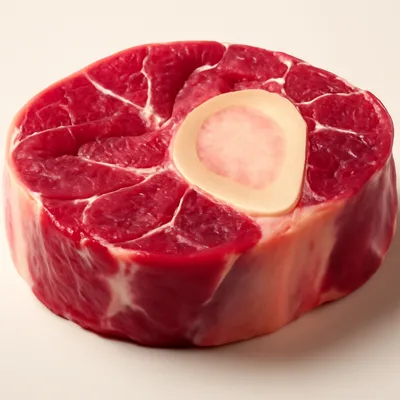
Make broth: simmer 1 kg beef shank bones and 500g yak meat (or beef brisket) with 1 onion, 4 garlic cloves, 1 ginger thumb, 3 bay leaves, 1 tsp Sichuan peppercorns in 3.5 L water — 2 hours. Strain. Reserve meat.
Watch outThe broth should stay clear gold, not milky — if it whitens, your heat is too high.
- 238 min
Noodle dough: mix 350g bread flour with 1 tsp salt and 180ml water; knead 8 min until very smooth. Cover with oiled towel; rest 30 min.
- 317 min
Divide dough into 8 portions; roll each into a 2cm-thick rope. Brush with oil. Rest another 15 minutes.
- 410 min
Slice 1 daikon into thin half-moons. Add to strained broth and simmer 10 minutes.
- 53 min
Slice reserved meat into thin strips. Return to broth.
- 68 min
Hand-pull each rope into a long ribbon by stretching and bouncing on the work surface — should end up ~1cm wide × 50cm long. Drop directly into the boiling broth.
Watch outStretch and bounce the rope on the counter until it's about a finger wide and springs back; that snap means it'll cook al dente.
- 74 min
Cook noodles 3-4 minutes until al dente.
Watch outPull a strand at 3 minutes — it should have a firm chew at the core, not go soft and pasty.
- 84 min
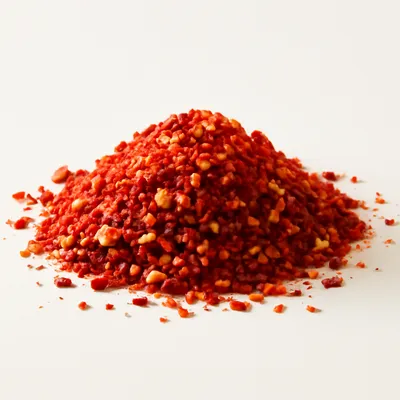
Make chili oil: heat 4 tbsp oil; pour over 2 tsp chili flakes + 1 tsp Sichuan pepper + 1 minced garlic in a heatproof bowl.
Watch outThe oil is hot enough when it foams and smells nutty the instant it hits the chili flakes — not smoking.
- 93 min
Ladle noodles and broth into bowls. Top with chili oil swirl, chopped scallion, and cilantro.
Archive tool suggestions — not reviewed
These legacy suggestions have not been evidence-reviewed and are not presented as required tools.


