
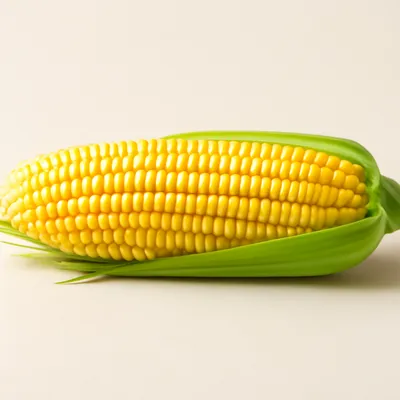
Fresh corn kernels are ground to a slightly coarse paste, then seasoned with red palm oil, salt, and finely chopped cocoyam (taro) leaves or spinach; the paste is wrapped in banana-leaf pouches and steamed about 30 minutes until firm and cake-like. This is Cameroon's iconic fresh-corn cake — sweet-and-savory, eaten as a main or side, often with palm wine or chilled coconut water. It is the corn version of koki; a separate version, 'koki beans', is made with black-eyed peas instead.


Koki (also called ekoki or moin moin in West African cousins) is a Bantu-Cameroonian preparation that may date back centuries — banana-leaf steaming preserves the protein paste's moisture and adds a subtle grassy aroma. The dish is communal: families wrap dozens of pouches at once, and the steaming pot is the visual centerpiece of weekend cooking. Koki appears at every Cameroonian wake, baptism, wedding, and Sunday gathering. The skin-removal step is the time-consuming labor that makes home-cooked koki worth the wait.
Unwrap a hot leaf pouch — the koki emerges as a golden-orange cake the shape and density of a thick corn pudding. Slice it with a knife; the cross-section shows coarsely-ground corn bits and flecks of cocoyam leaf suspended in the palm-oil-tinted maize paste. Each bite is mellow, hearty, and naturally sweet from the fresh corn, balanced by the fruity tropical fat of the palm oil and a savory edge. The banana leaf lends a subtle vegetal-grass aroma you can smell more than taste. Eat by hand or with a fork — koki holds its shape.
The cake sets thanks to the starch in the corn paste: ground fresh corn is rich in amylose and amylopectin, which gelatinize and cross-link when heated, then firm up on cooling into a sliceable cake. Because fresh corn is high in water, a little corn meal is usually added to supply extra starch and tighten the texture — all-fresh-corn paste tends to steam mushy. Palm oil emulsifies into the paste, providing fat structure and lending its natural carotenoids the golden-orange color. Banana-leaf wrapping is moisture-retentive, steaming the cake evenly so it doesn't dry out; the leaf's grassy-vegetal aroma compounds (linalool, hexenal) volatilize during steaming and infuse the koki subtly. The pot is usually lined with corn cobs, which prevent sticking and add aroma.
Variations
Sweet koki (rare) replaces the savory seasoning with sugar and coconut — a dessert variant. Smoked-fish koki adds flaked smoked fish for more savory depth. Vegan koki omits any seafood and leans on extra palm oil and bouillon. The bean version, 'koki beans', uses skinned black-eyed peas instead of corn — same method, different base. Diaspora cooks who can't get fresh corn use canned or frozen corn — quicker, but less sweet and less firm.
On the Palate
Where Koki Corn sits in the Cameroonian flavor cloud
Ingredients
Serves 8How it's made
11 steps · 50 min active + 3 hours 10 min waiting
- 1241 min
Soak beans: rinse 500 g black-eyed peas. Cover with cold water; soak 4 hours (or overnight). The beans will swell to about 1 kg.
- 212 min
Remove skins: rub the soaked beans between palms vigorously to loosen skins. Add water; the skins will float. Pour off floating skins. Repeat 3-4 times until almost all skins are removed (some skin is OK). Drain.
Watch outRub hard and pour off the floating skins — leftover skins give the finished cake a gritty, grey cast.
- 37 min
Grind beans: process drained beans in a food processor with 200 ml water until smooth, like thick hummus. Scrape into a large bowl.
- 45 min
Whisk paste: with a wooden spoon, vigorously stir/beat the bean paste 5 minutes — incorporating air makes the steamed koki light. Add splashes of water if needed; consistency should be thick batter, not paste.
Watch outBeat the paste until it lightens and thickens like whipped batter — this trapped air is what makes the steamed cake fluffy instead of dense.
- 55 min
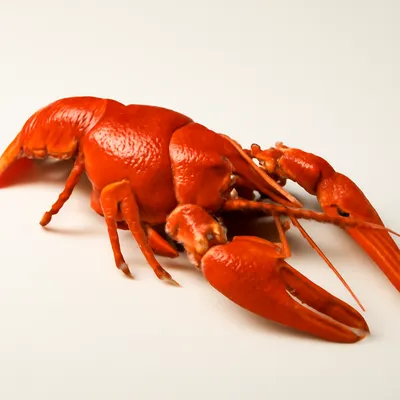
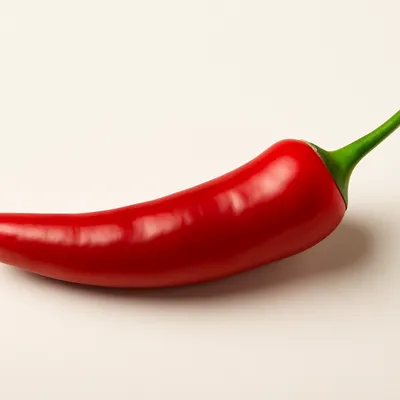
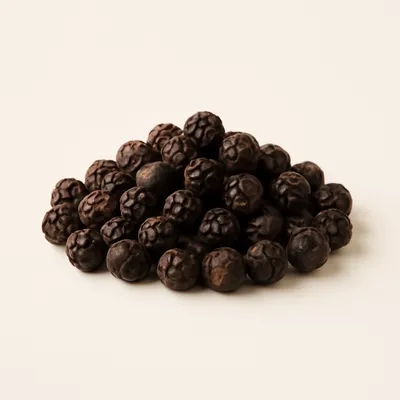
Season: stir in 4 tbsp red palm oil (paste will turn deep orange), 1 chopped scotch bonnet, 1 tbsp dried ground crayfish, 1 tsp salt, ½ tsp ground black pepper, 1 tsp bouillon powder.
- 63 min
Optional add-ins: 1 cup frozen sweet corn kernels (drained), or 100 g chopped spinach, or 50 g chopped smoked fish. Stir in.
- 76 min
Prep banana leaves: wash 8-10 banana leaf squares (about 25 cm × 25 cm each), removing the central stiff vein. Pass each leaf over an open flame for 5 seconds — this makes them pliable.
- 812 min
Wrap pouches: place ½ cup koki batter in the center of a leaf. Fold sides over to enclose; fold bottom up; tie with kitchen string or strips of leaf (or use a toothpick to pin).
- 992 min
Steam: arrange pouches upright in a steamer basket over boiling water. Cover; steam 90 minutes, replenishing boiling water as needed.
Watch outStand the pouches upright so they steam evenly, and keep the water at a hard boil the whole 90 minutes — a stalled steamer gives a wet, unset center.
- 101 min
Test doneness: open a pouch — koki should be firm, like steamed corn pudding, and pull away from the leaves. If still wet, steam another 15 min.
Watch outOpen one to check — done koki is firm like set pudding and peels clean off the leaf; if it's still wet and sticky, steam on.
- 1112 min
Cool 10 min before unwrapping (allows the cake to set further). Serve warm or room temperature with palm wine or chilled coconut water.


