
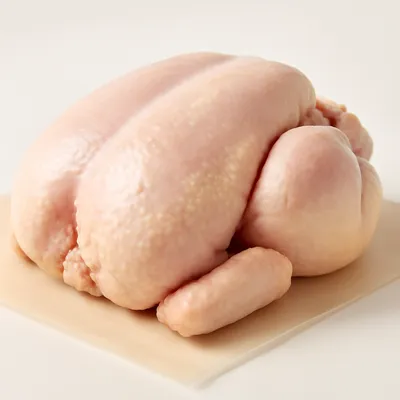



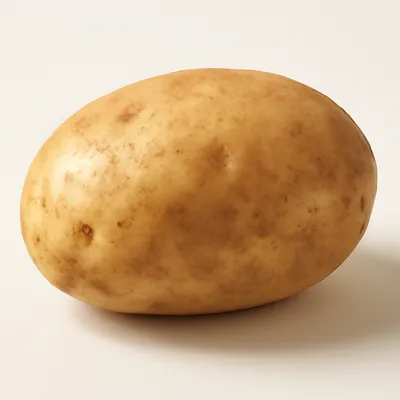
Sajta hails from the western Bolivian Andes, centred on La Paz and its surrounding Aymara communities, and reaches south into the Salta and Jujuy provinces of Argentina. It is a meeting of highland Indigenous tradition and Spanish colonial influence: aji amarillo, potatoes and chuño are all native Andean foods, fused with the chicken and braising technique that arrived with the colony. The name "sajta" comes from Aymara (a tongue kin to Quechua) and means a dish drenched in chili, naming the way the pepper sauce coats the meat. In the highlands it has long been a dish for important occasions — births, baptisms and weddings, and the festivities of All Saints' Day and Carnival — and is now a staple at family gatherings and folk festivals.
The aji amarillo sauce is bright, fruity and slow-burning, clinging to fall-off-the-bone chicken. The chewy, earthy chuño soaks it up while the raw onion sarza adds a sharp, cooling crunch. It is bold, layered highland comfort.
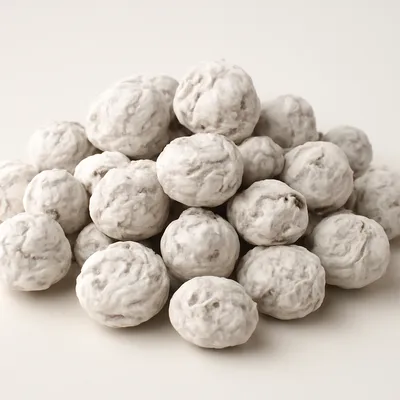
The dish's color and aroma both come from the aji amarillo, a distinct species of chili rated a moderate 30,000-50,000 on the Scoville scale, its heat slow and rounded rather than sharp. Its orange-gold hue comes from carotenoids — beta-carotene, beta-cryptoxanthin and zeaxanthin — which dissolve in fat but not water, so frying the ground chili in hot oil first releases both color and fruity aroma into the sauce; being heat-stable, these pigments hold their gold through long simmering. The chuño and white chuño (tunta) bedded beneath are the Andes' own naturally freeze-dried potatoes: over roughly twenty days the highland's wide day-night temperature swing freezes the tubers by night and dries them in the sun by day, drawing out the water until they lose over 80% of their weight, easing long storage and leaching away the potato's natural glycoalkaloids (the bitter solanine), with tunta rinsed in running water about a week longer for its pale color and clean taste. So treated, chuño holds together through long cooking and soaks up the pepper sauce like a sponge. A gentle braise lets the chicken take on the sauce without drying out.
Variations
sajta de gallina with hen, extra spicy, with rice instead of chuño, with quinoa
On the Palate
Where Sajta de Pollo sits in the Bolivian flavor cloud
Ingredients
Serves 4
How it's made
8 steps · 25 min
- 15 min
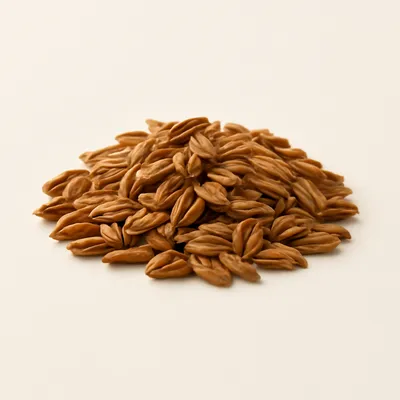
Season chicken pieces with salt, cumin and pepper.
- 28 min
Briefly fry the chicken in oil until lightly colored.
- 310 min
Saute onion, garlic and plenty of ground yellow aji into a sauce.
Watch outFry the ground yellow aji in the hot oil first — its color and fruity aroma are fat-soluble, so blooming it in oil releases both into the sauce.
- 43 min
Return the chicken and add a little broth to the pan.
- 520 min
Simmer until the chicken is tender and the sauce thickens.
Watch outSimmer until the chicken is tender and the sauce thickens enough to coat it — too thin and it runs off the meat.
- 615 min
Boil chuño and white potatoes separately until soft.
- 75 min
Make a fresh sarza by chopping onion and tomato with salt.
- 82 min
Plate the chicken over potatoes and chuño, topped with sarza.


