Cochabamba's iconic plate — a massive pounded-thin breaded beef cutlet covering an entire plate of white rice and sliced fried potato, topped with two fried eggs sunny-side-up and a llajwa-tomato-onion salsa. The cutlet hangs off the plate edges; this is intentional theater.



1946 Cochabamba — Celia La Fuente Peredo invented silpancho at her food stall, using the cheap cuts that the cattle merchants of the valley brought her. The pounded-thin technique stretched limited meat across a generous plate. Cochabamba is Bolivia's food capital; silpancho is its calling card.
Fork hits all layers at once — crisp breading + thin tender beef + creamy yolk that breaks and bathes the rice + soft potato + sharp tomato-chili salsa cutting the richness. Each component is simple but together it's a maximalist plate. The locoto chili (Bolivian) is the kick.
Pounding beef thin shortens cooking time and tenderizes by breaking muscle fibers. Dry-breading (no egg dip) creates a crispier coating because there's no batter sealing in moisture. Frying potato in oil before plating gives a chip-like crispness. The runny yolk acts as a sauce when broken — bathing rice and meat together.
Variations
Silpancho a Caballo (with 2 horse-back fried eggs, the standard). Silpancho con Queso (with melted cheese on cutlet). Trancapecho (Cochabamba sandwich version — silpancho inside a marraqueta bread roll). Silpancho de Pollo (chicken instead of beef).
On the Palate
Where Silpancho sits in the Bolivian flavor cloud
Pound the steaks until they're genuinely thin — about half a centimeter and double their area — so they cook in a flash and go crisp; a thick cutlet steams grey inside instead of frying up tender.
Ingredients
Serves 2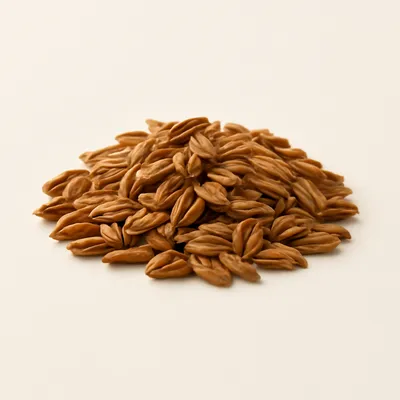


How it's made
10 steps · 30 min active + 10 min waiting
- 123 min
Cook 1 cup long-grain rice with 1 3/4 cups water + 1 tsp salt + 1 tbsp oil — 18 minutes covered, 5 minutes off heat.
- 23 min
Peel 2 medium potatoes; slice into 0.5 cm-thick rounds.
- 310 min
Heat oil in a pan; fry potato slices 5 minutes per side until gold and tender. Drain.
- 45 min
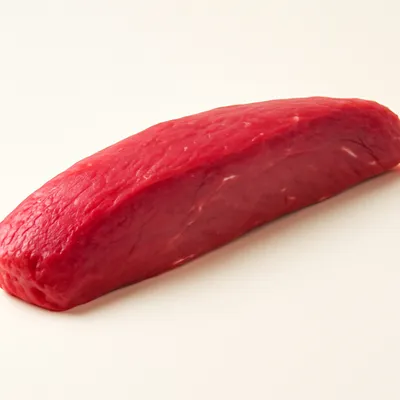
Take 2 thin beef steaks (200 g each — eye of round or skirt). Pound between plastic wrap until 0.5 cm thin and double their original area.
Watch outPound until the steak is an even half-centimeter and has spread to double its size — thin enough to see it give under the mallet.
- 52 min
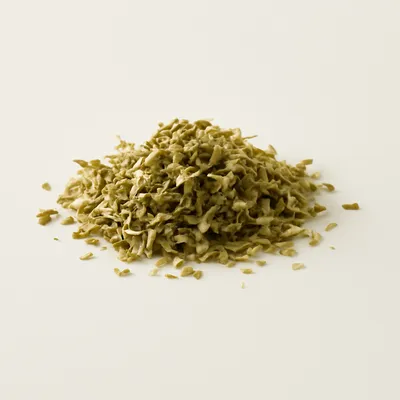
Mix breadcrumbs with 1 tsp salt + 1 tsp pepper + 1 tsp dried oregano + 1/2 tsp cumin on a plate.
- 62 min
Press both sides of each cutlet firmly into the seasoned crumbs (no egg dip — Cochabamba style is dry-breaded).
- 74 min
Heat 3 tbsp oil in a wide pan. Fry breaded cutlets 2 minutes per side until crisp gold (they cook fast because they're so thin).
Watch outThe cutlet fries fast because it's so thin — two minutes a side to crisp gold, no more, or it dries out.
- 83 min
Fry 4 eggs sunny-side-up.
Watch outPull the fried eggs while the yolks still wobble and run — that liquid yolk is the sauce for the plate.
- 95 min
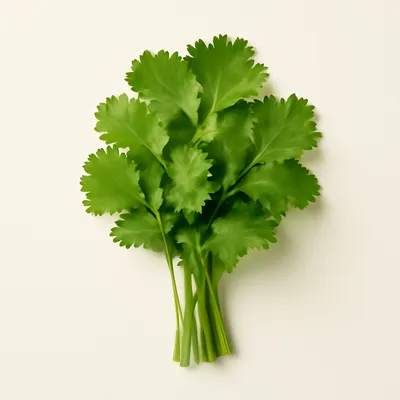
Make llajwa: blitz 2 tomatoes + 1/4 onion + 2 locoto chilies (or jalapeño) + cilantro + salt to a chunky salsa.
- 102 min
Plate: rice as base, potato slices fanned over rice, the giant cutlet draped over everything (hanging off plate), 2 fried eggs on top, llajwa salsa drizzled or beside.
Archive tool suggestions — not reviewed
These legacy suggestions have not been evidence-reviewed and are not presented as required tools.