
Eastern-lowland Bolivian rice dish from Santa Cruz and Beni — long-grain rice simmered with shredded charque (Andean salt-cured, sun-dried beef), onion, tomato, garlic and urucú (annatto) into a moist, reddish rice, crowned with a fried egg and served with fried ripe plantain and boiled cassava (yuca). The Camba (lowland Bolivian) Sunday lunch.

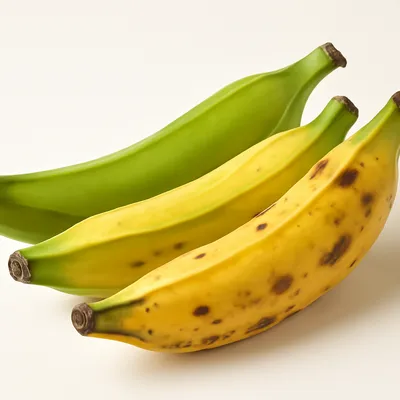



Majadito (majao) belongs to the eastern lowlands of Bolivia — the Santa Cruz and Beni plains — and traces to the Spanish colonial era. Its name tells the method: in local speech majao means 'pounded', and the meat is beaten loose in a wooden mortar (tacú) before it goes in the pot. The dish weds Andean charque jerky to lowland rice and the tropical plantain and cassava that grow there; locals rank it the second emblematic dish of Santa Cruz, after locro.
Spoon majadito — rice tinted reddish-orange by annatto, salty-chewy flecks of charque scattered through it, soft sweet plantain on the side, and a runny yolk that breaks across the plate. Grain, salt-cured meat and sweet plantain meet in one bowl — the mountain charque tradition finally landing in a plate of lowland rice.
Annatto colors the rice and adds a subtle earthy-peppery note; toasting the rice in the seasoned oil before adding water coats each grain in flavor so it stays distinct yet seasoned. The charque carries enough salt to season the whole pot, so go easy with any added salt. Two forms exist: a drier, fluffier 'seco' (also called tostado) and a moister, soupier 'batido'.
Variations
Majadito de Pato (duck instead of charque, popular in the lowlands). Majadito Cruceño (the classic charque version). Majadito de Pollo (chicken). Majadito Camba (extra spicy with locoto).
On the Palate
Where Majadito sits in the Bolivian flavor cloud
Ingredients
Serves 4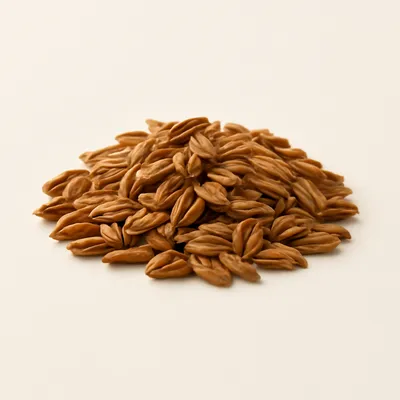

How it's made
8 steps · 35 min active + 40 min waiting
- 133 min
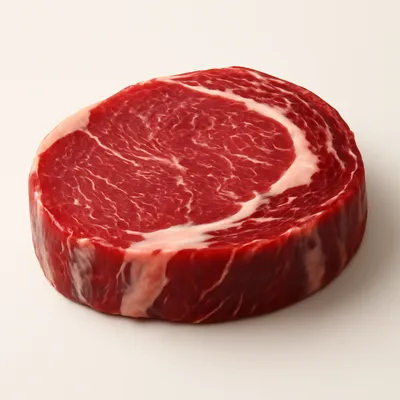
Soak 300g charque (or substitute dried beef) in water 30 min; shred into small pieces.
- 28 min
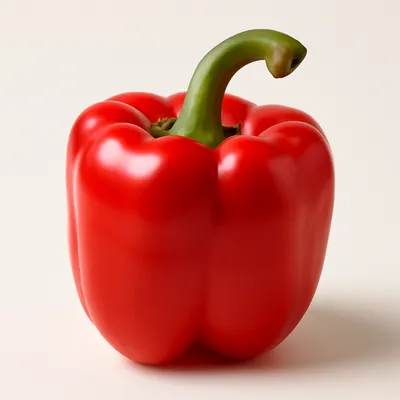
Heat 3 tbsp oil with 1 tbsp annatto in a pot; sauté 1 chopped onion, 3 garlic cloves, 1 sliced bell pepper 8 min.
- 35 min
Add the shredded charque; cook 5 min, stirring.
- 42 min
Add 2 cups long-grain rice; toast briefly in the oil-and-meat mixture.
Watch outStir the rice in the hot oil until the grains turn translucent at the edges and smell toasty before adding liquid.
- 53 min
Pour in 3.5 cups water or broth; add 1 tsp cumin, salt. Bring to a boil; reduce to low.
- 618 min
Cover and simmer 18 min until rice absorbs liquid.
Watch outDone when the liquid is fully absorbed and small steam craters dot the surface; kill the heat and let it sit.
- 78 min
Meanwhile fry 2 sliced ripe plantains until golden. Fry 4 eggs sunny-side-up.
Watch outFry the plantain slices until deep gold and caramelized at the edges, not just pale and soft.
- 83 min
Plate: mound of majadito rice, topped with a fried egg + fried plantain slices alongside.
Archive tool suggestions — not reviewed
These legacy suggestions have not been evidence-reviewed and are not presented as required tools.


