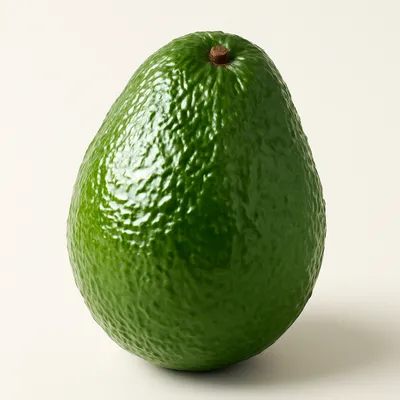
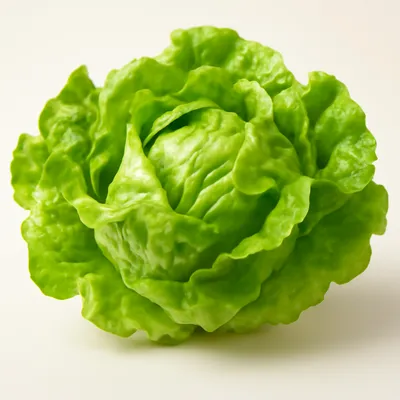
An Arizona deep-fried burrito: a large flour tortilla wrapped around a savory filling — commonly shredded beef, chicken or beans with cheese — folded into a sealed parcel and fried until the shell is golden, blistered and crisp. It is plated and eaten with a knife and fork, smothered or garnished with red or green chile sauce, melted cheese, sour cream, guacamole and shredded lettuce. The defining feature is the crackling fried exterior around a hot, soft interior.

The chimichanga is widely held to have been created by accident at an Arizona Mexican restaurant in the mid-twentieth century, but the precise origin is disputed. El Charro Café in Tucson, founded in 1922, credits its founder Monica Flin, who is said to have dropped a burrito into the fryer around 1950 and caught herself swearing with a euphemism; Macayo's of Phoenix instead credits Woody Johnson, who is said to have deep-fried surplus burros in 1946. Two other Tucson restaurants, Micha's and Club 21, also claim it. The competing claims have never been settled, though all place its invention in southern Arizona.
The shell shatters audibly under the fork — a thin, blistered, deep-golden crust of fried tortilla — then gives way to a hot, dense, soft interior of meat or beans bound with melted cheese. Inside is rich and savory; the cooling toppings cut against it, sour cream and guacamole bringing coolness and fat, the chile sauce bringing heat. The contrast is the whole appeal: brittle, oil-crisped outside against a steaming, yielding center. A poorly made one is greasy or soggy where the seal failed.
The tortilla is folded into a tightly sealed parcel — corners tucked and edges overlapped — so it stays watertight when it hits the oil; any gap lets oil rush in and the filling leak out. Frying at around 190°C drives moisture out of the tortilla's surface and browns it through Maillard reactions into a rigid, blistered shell, while the trapped interior steams and stays soft. Because the filling is already cooked, the fry is short and purely about crisping the shell. The seal and the oil temperature are the two things that separate a crisp chimichanga from a greasy one.
Variations
Fillings range across shredded (machaca-style) beef, chicken, carne adovada or refried beans, almost always with cheese. It may be served "wet" — smothered in chile sauce and cheese and baked briefly — or "dry" with sauces on the side. A dessert chimichanga fills the fried tortilla with fruit or sweetened cheese and dusts it with cinnamon sugar. It is the deep-fried sibling of the burrito and is distinct from the soft Mission burrito of San Francisco, which is never fried.
On the Palate
Where Chimichanga sits in the American flavor cloud
Ingredients
Serves 4
How it's made
7 steps · 30 min
- 12 min
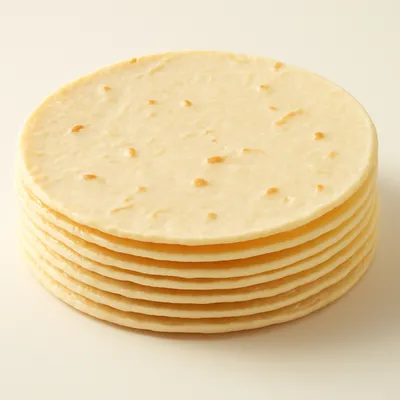
Warm a large flour tortilla so it folds without cracking.
- 24 min
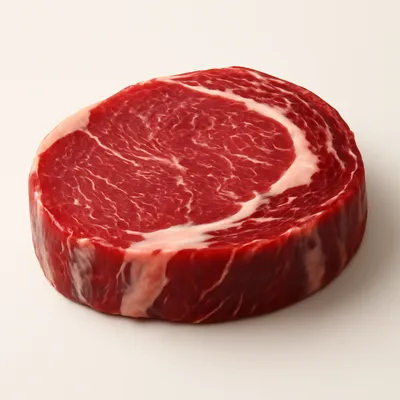
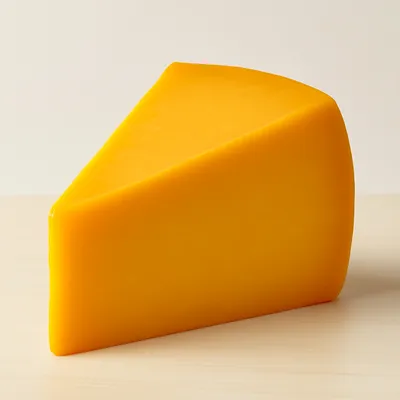
Spoon a line of cooked, shredded meat and grated cheese across the center, leaving wide margins.
- 35 min
Fold in the two sides, then roll up tightly into a sealed parcel, overlapping the seam underneath.
Watch outRoll it into a tightly sealed parcel with the seam overlapped underneath — any gap and hot oil rushes in and the filling leaks out.
- 45 min
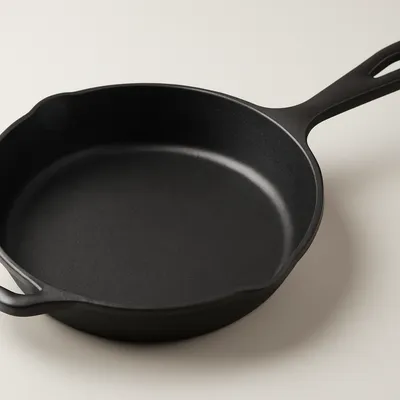
Heat oil in a deep pan to 190°C.
- 56 min
Lower the parcel in seam-side down and fry, turning once, until golden and blistered all over.
Watch outFry seam-side down at around 190 degrees until golden and blistered all over — hot oil sets the shell rigid and crisp; a cool pan makes it greasy and soft.
- 62 min
Drain on paper, then plate seam-side down.
- 73 min
Smother with warm chile sauce and cheese, and top with sour cream, guacamole and shredded lettuce.
Archive tool suggestions — not reviewed
These legacy suggestions have not been evidence-reviewed and are not presented as required tools.