
Güllaç is Turkey's quintessential Ramadan dessert: paper-thin starch wafers softened in sweetened, rose-scented milk, layered with crushed walnuts, then chilled and crowned with pomegranate seeds and pistachios. Unlike heavy syrup-soaked pastries, it is deliberately light and milky, easy on a stomach that has fasted all day. The wafers (güllaç yufkası) are a dedicated dried product of corn starch and wheat flour, not phyllo. They dissolve into a silky, custard-like body once they drink in the warm milk, while the rose water and ruby pomegranate give the dish its signature perfume and color. It is served cold and eaten especially through the month of Ramadan.


Güllaç belongs to the Ottoman-era sweet repertoire and is genuinely old. The word itself is a loanword from Persian (gulāc/gulanc, a starch-and-egg confection) and is first attested in a Turkic language in 1477, in the Persian-Turkish dictionary Lügat-i Halîmî; recipes for thin wafers cooked from a watery starch batter on a hot griddle (saj) appear in Ottoman culinary manuscripts, and the dessert is closely associated with the imperial palace kitchens of fifteenth-century Istanbul, where it was refined into the version eaten today. The folk reading of the name links it to güllü aş, "food with roses," for the rose water that perfumes the milk, though the scholarly account traces it to the Persian loanword. Its bond with Ramadan is centuries old: light and milky, it suits the breaking of the fast far better than rich, fried, or syrup-laden sweets. While a few popular sources cite precise palace-account dates in 1489–1490, those are not securely documented, so its exact birth is best placed broadly in the Ottoman fifteenth century rather than fixed to a single year.
The first spoonful is barely there — cool, loose, milk-soft, with no resistance from the dissolved wafers. Sweetness is restrained and floral, the rose water hovering rather than perfuming heavily. Crushed walnuts give quiet, oily crunch between the silky layers, while pomegranate seeds burst with bright, tart pops and pistachios add a green, resinous finish. It eats like a chilled, rose-scented milk pudding with texture, never cloying.
The whole dessert turns on starch hydration. The dry güllaç wafers are mostly gelatinized starch made stiff and brittle by drying; warm milk (heated, not boiled, to around 60–70°C) rehydrates and re-swells that starch so the sheets go limp and silky and partly fuse into a soft, sliceable, custard-like mass — no eggs, no baking, no thickener needed. Sugar dissolves into the milk and also slows the starch from over-swelling, keeping the body cohesive rather than pasty, while the milk's casein and fat carry the aroma and lend richness. Rose water is added off the heat at the end because its fragrant compounds (chiefly geraniol and citronellol) are volatile and would boil off if cooked. Chilling sets everything: the milk firms, the starch network relaxes into a tender gel, and the walnut layers stay crisp because they are added dry between sheets rather than soaked. This is the opposite construction to baklava — there the phyllo is brushed with butter and baked until shatteringly crisp, then drenched in hot sugar syrup; here the wafer is never buttered, never baked, and is softened rather than crisped, giving a cold, light, milk-based sweet instead of a hot, rich, syrup-soaked one.
Variations
Walnuts are the classic filling, but hazelnuts or pistachios are common, and some make a plain milk-only version. Toppings range from pomegranate and pistachios to slivered almonds, shredded coconut, or a few dried rose petals. Regional and modern takes include chocolate güllaç, fruit-layered versions (banana, strawberry), and individual cups instead of a tray. Güllaç is often contrasted with baklava: both are layered Anatolian sweets, but baklava is buttered phyllo baked crisp and soaked in syrup and served at room temperature, whereas güllaç uses soft milk-soaked starch wafers, has no butter or baking, and is served chilled and light. The dry wafers are sold packaged year-round but stock and consumption peak sharply during Ramadan.
On the Palate
Where Güllaç sits in the Turkish flavor cloud
Ingredients
Serves 8How it's made
7 steps · 40 min active + 2 hours 40 min waiting
- 110 min
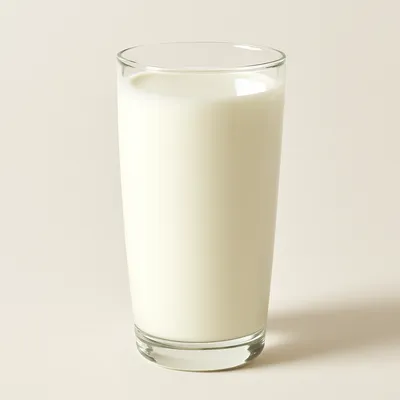
Warm the milk with the sugar in a pot over medium-low heat, stirring until the sugar dissolves; do not let it boil. Take it off the heat and let it cool to just warm (about 60–70°C).
Watch outWarm the milk only to just-hot and never let it boil — around 60 to 70 degrees rehydrates the wafers into silk; a boil scorches the milk and toughens the starch.
- 28 min
Set a güllaç wafer in a deep tray and ladle warm sweetened milk over it to soak; repeat, layering and soaking two or three wafers as a base.
- 33 min
Scatter a generous, even layer of crushed walnuts over the soaked wafers.
- 410 min
Continue alternating soaked wafers and walnuts, ladling milk over each sheet so it softens fully, finishing with one or two wafers on top.
- 53 min
Pour any remaining warm milk evenly over the whole tray so the top layers are fully moistened.
- 6180 min
Cover and chill in the refrigerator for at least 2–3 hours, until set, cold, and the wafers have turned silky.
Watch outChill several hours until it sets and the wafers turn silky and sliceable — served too soon the layers are still papery and won't hold a clean square.
- 75 min
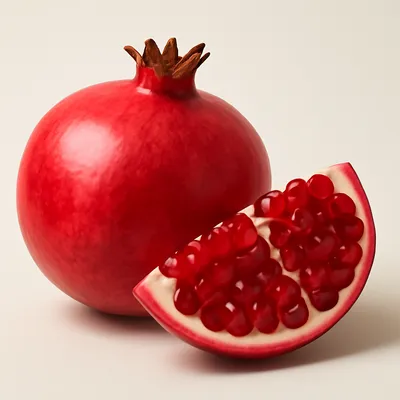
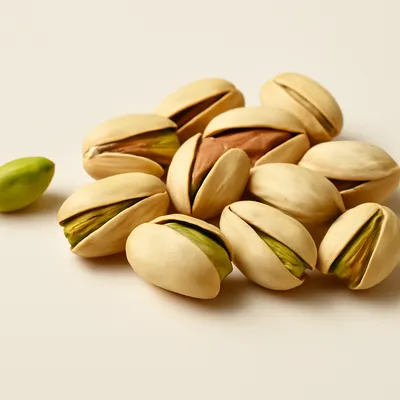
Just before serving, scatter pomegranate seeds and chopped pistachios over the top, and cut into squares.
Archive tool suggestions — not reviewed
These legacy suggestions have not been evidence-reviewed and are not presented as required tools.



