Chopped eels boiled in their own collagen-rich stock with lemon and herbs until the liquid sets to a clear jelly around the pieces when chilled. The defining Cockney East End street food, eaten with chilli vinegar.
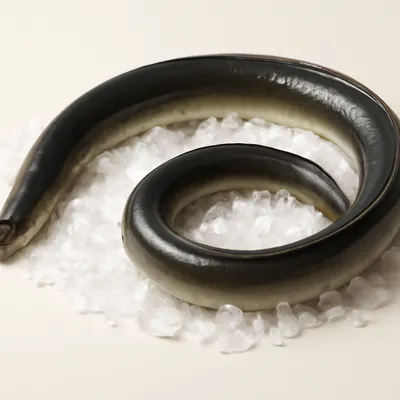

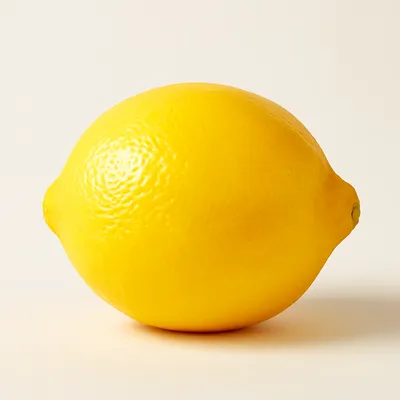



Jellied eels are the defining dish of London's East End, dating to the 18th century when the River Thames teemed with eels and the working-class streets around it ate them cheap. Eels were so central to the Cockney diet that they were the staple of the pie-and-mash shops that opened across East and South London from the 1840s, each shop traditionally serving jellied eels alongside the meat pie and mashed potato, all doused in parsley liquor. The dish exploits the eel's exceptionally high natural collagen, the fish boiled gently in water with lemon, onion, bay and a little vinegar, then the pot left to cool so the cooking liquid sets around the pieces into a trembling jelly without any added gelatine. Eels were sold live from barrels in the street, and the jellied form kept them a day or two without refrigeration. The dish survived the cleaning-up of the Thames only patchily, but the traditional pie-and-mash shops, Manze's, Cooke's, F. Cooke's, still sell jellied eels, served cold from a bain-marie with a dash of chilli vinegar, a surviving relic of working-class Georgian and Victorian London.
Cold, soft, faintly gelatinous pieces of eel in a trembling, clean-tasting jelly, the eel meat earthy and slightly oily, the jelly sharp with lemon and vinegar. Eaten with a dash of chilli vinegar that cuts the richness.
The jelly is the technique and it requires no gelatine. Eels carry more natural collagen in their skin and bones than almost any common fish, and when they are gently simmered with their bones in acidulated water, the collagen dissolves into the stock and re-sets on cooling into a clear, firm jelly. The eels are cut into 4cm chunks, the cooking water sharpened with lemon juice and vinegar which both flavours the jelly and helps extract the collagen, then aromatics, onion, bay, peppercorns, are added. A gentle simmer of 20 minutes cooks the flesh without toughening it; the pot is then left to cool completely, ideally overnight, and the jelly sets around the pieces. The set is fragile, it melts at body temperature, which is why the dish is served cold. Chilli vinegar, a London East End condiment of vinegar steeped with dried chillies, is the traditional sharp counterpoint that cuts the oily richness of the eel.
Variations
Some recipes add a splash of dry white wine to the stock. Hot stewed eel in parsley liquor is the warm cousin. The dish is sometimes served with a pinch of white pepper instead of chilli vinegar.
On the Palate
Where Jellied Eels sits in the British flavor cloud
Ingredients
Serves 6How it's made
7 steps · 30 min
- 15 min
Skin, gut and wash 1kg of fresh eels, then cut into 4cm chunks; reserve the bones.
- 25 min
Put the bones, 1 sliced onion, 1 sliced lemon, 2 bay leaves, 1 tbsp black peppercorns and 2 tbsp white wine vinegar into a pan with 1.2 litres water.
- 35 min
Bring to the boil, simmer 20 minutes to make a stock, then strain the liquid and return it to a clean pan.
- 45 min
Add the eel chunks, bring back to a gentle simmer, and poach for 20 minutes until the flesh is just cooked and opaque.
Watch outPoach at a gentle simmer for twenty minutes, no rolling boil — hard heat toughens the delicate eel flesh; you just want it opaque.
- 54 min
Lift the eel pieces carefully into a serving bowl or individual moulds, and strain the cooking liquid over them to cover.
- 64 min
Cool to room temperature, then chill for at least 4 hours until the liquid has set to a trembling jelly around the eel.
Watch outThe set is the whole dish and it needs no gelatine — chill it right through and the eel's own collagen firms the liquid into a trembling jelly.
- 74 min
Serve cold, straight from the fridge, with a bottle of chilli vinegar to dash over.
Archive tool suggestions — not reviewed
These legacy suggestions have not been evidence-reviewed and are not presented as required tools.



