A Qing-era mold-pressed cake from Lugang, shaped like a phoenix eye, made of finely milled roasted rice flour and sugar pressed cold into the mold, requiring no baking. A delicately sweet, melt-in-the-mouth confection of the old port's refined teatime tradition.
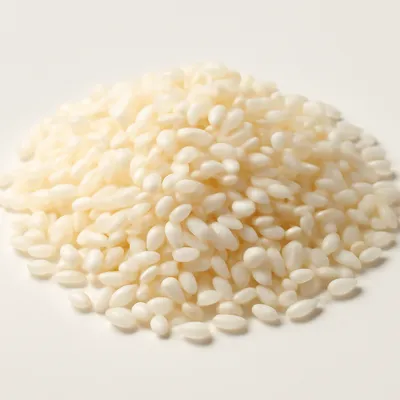


Phoenix-eye cake, feng yan gao, is one of the most refined of the traditional Lugang cakes, a Qing-era confection of the old trading port's wealthy merchant culture, where refined teatime sweets were a mark of cultivation. The cake is named for its shape, a slender curved oval resembling a phoenix's eye, pressed in a carved wooden mold. Its uniqueness lies in its making: it requires no baking. Finely milled roasted glutinous-rice flour is mixed with powdered sugar and a little water, then pressed cold into the mold with great force, the pressure and the sugar syrup binding the flour into a solid cake that holds the mold's carved pattern. The texture is uniquely fine and melt-in-the-mouth, almost like compressed icing sugar, far from a baked cake. The Zheng and the Shi family cake shops of Lugang, some trading since the Qing, are the traditional makers. The cake is notoriously fragile, a dropped one shatters, and it is eaten delicately, in small bites with tea, the refined sweetness the point.
A slender, curved, white-gold cake that crumbles and melts on the tongue into a fine, sweet, roasted-rice powder, almost too sweet until balanced by bitter tea. The texture is unlike any baked good, pure compressed sweetness.
The phoenix-eye cake's no-bake technique relies on finely milled roasted flour bound by sugar under pressure. Glutinous rice is dry-roasted until fragrant, then milled to an extremely fine flour, almost like icing sugar in consistency. This roasted flour is mixed with powdered sugar in roughly equal proportion, with only a few drops of water or syrup added to moisten. The dampened mixture is packed firmly into carved wooden molds, the shape of a phoenix eye, and pressed with very great force, the combination of pressure and the syrup's stickiness binding the flour and sugar into a solid cake that holds the mold's pattern and shape on demolding. No heat is used at any stage after the flour roasting, which is why the texture is so fine and powdery-melting, the particles simply compressed together. The high sugar ratio gives the sweet, almost cloying taste that is meant to be balanced by unsweetened tea. The fragility of the cake is a mark of its refinement, a sign that the maker did not over-wet the mixture to make it robust.
Variations
Some versions use a portion of regular rice flour for a lighter colour. Flavourings include osmanthus or rose water. A peanut version uses ground roasted peanut.
On the Palate
Where Lugang Phoenix-Eye Cake sits in the Taiwanese flavor cloud
Ingredients
Serves 12How it's made
6 steps · 30 min
- 18 min
Dry-roast 200g glutinous rice in a pan over low heat for 15 minutes until fragrant and pale gold, then mill to a very fine powder and sift.
Watch outDry-roast the glutinous rice on low until it smells nutty and turns pale gold, then mill it very fine — too dark and the cake tastes scorched; too coarse and it won't pack tight.
- 25 min
Mix the roasted rice flour with 200g sifted icing sugar thoroughly; add water drop by drop until the mixture just holds when squeezed.
- 35 min
Pack the damp mixture tightly into a carved phoenix-eye wooden mold, pressing very firmly with a flat tool.
Watch outAdd water drop by drop until the mix just holds when squeezed, then pack it hard into the mold — too wet and it won't unmold sharp; too dry and it crumbles.
- 44 min
Level the back, then unmold carefully onto a tray; the cake should hold its shape and pattern.
- 55 min
Air-dry the cakes at room temperature for 1 to 2 hours to set firm; do not bake.
- 63 min
Serve with strong unsweetened tea, eaten in small delicate bites.
Archive tool suggestions — not reviewed
These legacy suggestions have not been evidence-reviewed and are not presented as required tools.


