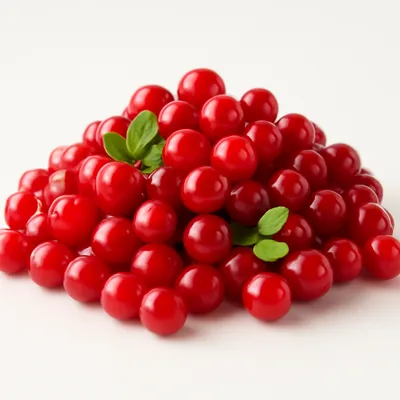
Lingonberries are tart little gems, their bright red hue encasing a bold flavor that balances sweetness and acidity. Their aromatic quality evokes the crispness of northern forests.
Where it comes from
Native to Scandinavia, lingonberries are a staple in Swedish cuisine, often served alongside meat dishes and used in jams, reflecting the berry's cultural significance.
In the kitchen
These berries are essential for creating sauces that elevate game meats and can be used in desserts, where their tartness cuts through richness beautifully.
Across cuisines
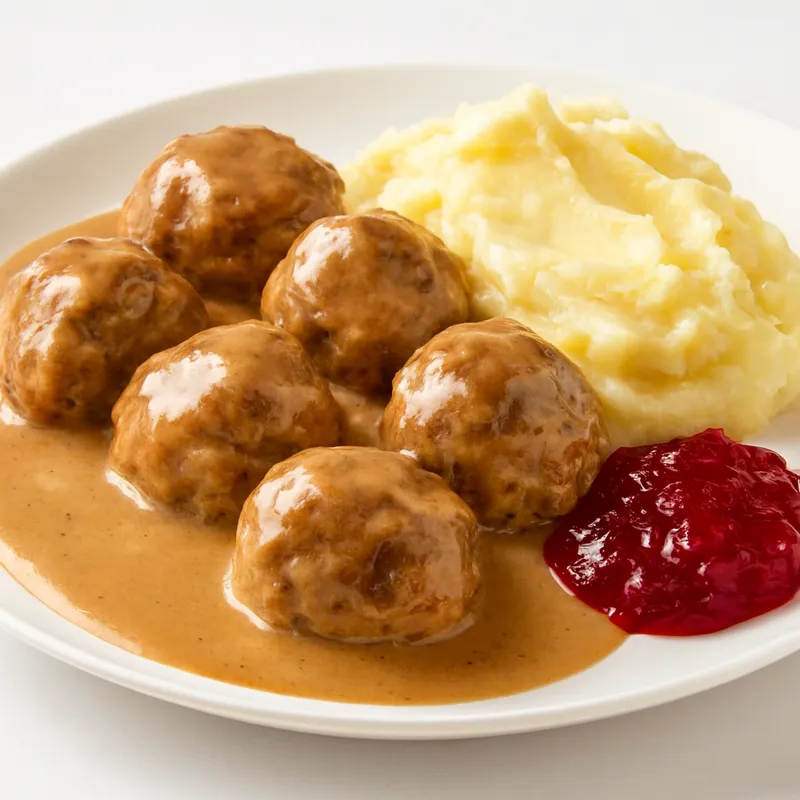
Lingonberry is the canonical Scandinavian tart berry — cooked into a loose, slightly sweetened compote (lingonsylt) that sits beside köttbullar meatballs, pancakes, and wild-game roasts. The fruit's natural benzoic acid keeps it stable without refrigeration, which made it the perfect winter preserve before modern technology. Closer to a cranberry than a blueberry in profile.
Lingonberry is the canonical Scandinavian tart berry — cooked into a loose, slightly sweetened compote (lingonsylt) that sits beside köttbullar meatballs, pancakes, and wild-game roasts. The fruit's natural benzoic acid keeps it stable without refrigeration, which made it the perfect winter preserve before modern technology. Closer to a cranberry than a blueberry in profile.
Lingonberry is the canonical Scandinavian tart berry — cooked into a loose, slightly sweetened compote (lingonsylt) that sits beside köttbullar meatballs, pancakes, and wild-game roasts. The fruit's natural benzoic acid keeps it stable without refrigeration, which made it the perfect winter preserve before modern technology. Closer to a cranberry than a blueberry in profile.
Nutrition (per 100g)
AI-estimated; model and run unavailable.