An ancient Piedmontese autumn conserve of unfermented grape must reduced over hours on an open fire with quince, pear, fig, hazelnut and walnut — no added sugar — thickening to a jammy, deeply spiced condiment served alongside bollito misto, aged cheese and polenta through winter.


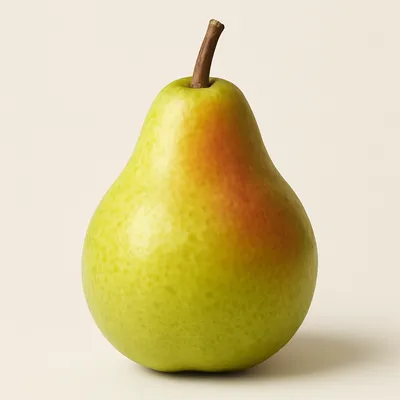

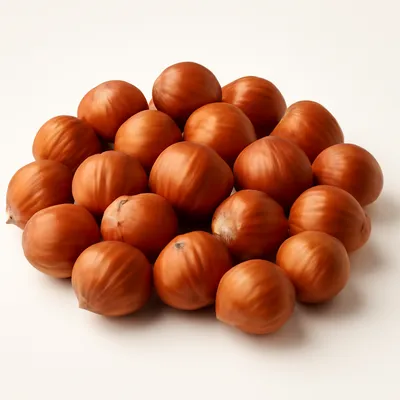

Cogna — known as cugnà in the Astigiano and Cuneese dialects, and as mostarda d'uva in Monferrato around Casale and Alessandria — is described in Slow Food sources as of 'antichissima memoria', suggesting a history reaching to at least the medieval period. The etymology is contested: the most scholarly reading traces the name to cotognata (quince paste), reflecting the fruit's structural role in the recipe; a widespread folk reading connects it to the Piedmontese dialect phrase meaning 'what one has', framing the dish as a harvest-time use of whatever autumn produce the farm offered. Traditionally made from grapes unsuitable for wine — undersized or unripe Dolcetto, Barbera, Nebbiolo or Moscato left on the vine after the main harvest — it represents the Langhe's ethic of total-harvest economy. By the 1950s it was a fixture of Langhe farmhouse autumns, documented in nostalgic accounts of children spreading it on bread; it remains central to the tables of Piedmont's three bollito capitals — Carrù, Moncalvo and Nizza Monferrato — and holds P.A.T. recognition from the Italian Ministry of Agriculture.
Deeply sweet and dark with concentrated grape must, threaded with the floral tartness of quince and pear; toasted hazelnuts give nutty crunch against the jammy base; warm spice from clove and cinnamon emerges gradually. Long, resinous finish.
The grape must — raw juice laden with sucrose and fructose — undergoes concentrated caramelization and Maillard browning above 110 °C during the long reduction, producing melanoidins that deepen colour and build complexity. Pectin from quince and apple thickens the must as it concentrates, while the organic acids in the must (tartaric, malic) suppress sugar crystallisation and contribute natural preservation. Reducing by roughly half raises the sugar concentration above 60 °Brix, creating osmotic pressure that inhibits microbial growth and explains the conserve's months-long shelf stability without added sugar or preservatives.
Variations
Some Monferrato versions add orange and lemon zest preserved from winter stores; Astigiano recipes include dried apricots and prunes alongside the base fruits. A related product, vin cotto, reduces must alone without added fruit. Mixed with fresh snow, cogna was traditionally served as a rough sorbet in the Langhe.
On the Palate
Where Cogna sits in the Italian flavor cloud
Ingredients
Serves 8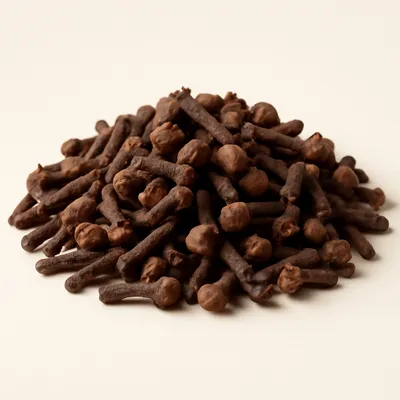

How it's made
7 steps · 30 min
- 130 min
Pour 2 litres fresh grape must (Dolcetto, Barbera, Nebbiolo or Moscato) into a large heavy pot. Bring to a boil, then reduce heat and simmer uncovered for 30 minutes, skimming any foam.
Watch outSkim the foam as the must first simmers — leaving it clouds the finished conserve.
- 210 min
Peel and core 300 g quince and 300 g firm pears; cut into 1 cm dice. Halve 150 g dried figs. Roughly break 80 g walnuts; keep 100 g toasted hazelnuts whole.
- 320 min
Add the quince to the simmering must first, as it requires the longest cooking; stir and cook for 20 minutes until beginning to soften.
- 45 min
Add pears, figs, 2 cloves, 1 cinnamon stick and a pinch of nutmeg; stir to combine and continue simmering over low heat.
- 5150 min
Cook uncovered, stirring frequently to prevent sticking, for 2–2.5 hours from the addition of the first fruit, until reduced by roughly half and thick enough to coat the back of a spoon.
Watch outReduce by roughly half until it coats a spoon — this thickness both sets the texture and preserves it; too thin and it spoils.
- 615 min
Stir in hazelnuts and walnuts in the final 15 minutes. Remove cinnamon stick and cloves.
- 710 min
Ladle into sterilised jars while hot, seal immediately, and allow to cool inverted. Serve alongside bollito misto, aged Piedmontese cheeses or polenta.
Archive tool suggestions — not reviewed
These legacy suggestions have not been evidence-reviewed and are not presented as required tools.



