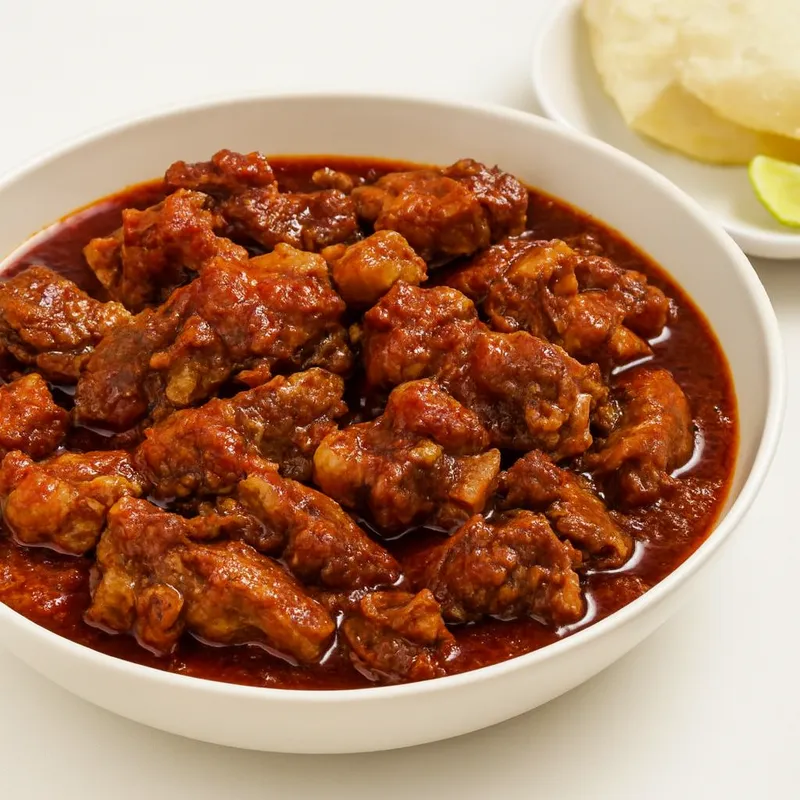
A traditional Andhra deep-fried savory snack of small, crunchy rings made from a rice-flour and roasted-gram dough seasoned with sesame, cumin, and chili. Hand-shaped without a press, they are a Diwali staple and the Andhra cousin of Karnataka's kodubale.
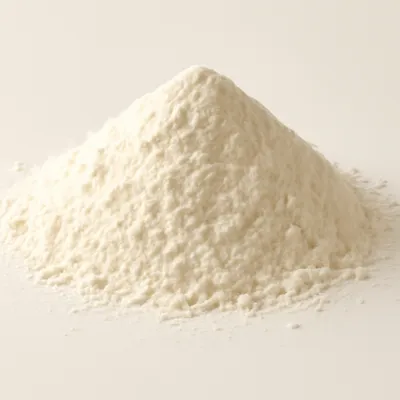

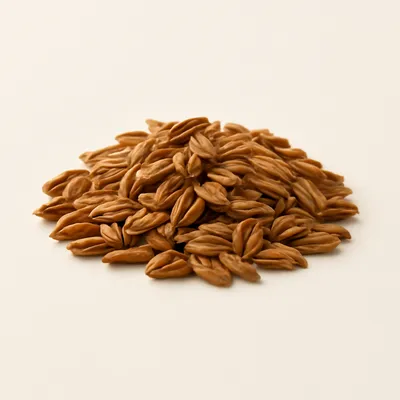
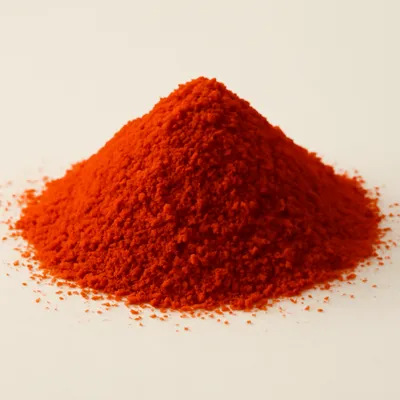


Chegodilu (singular chegodi) are an Andhra snack also known as ring murukku, a name that describes their shape. The dough is built from rice flour combined with roasted chana dal flour (pappu podi) for binding and protein, seasoned with sesame seed, cumin, and sometimes chili or ajwain, then rolled into thin ropes, closed into small rings, and deep-fried until hard and golden. They belong to the large South Indian family of rice-flour savories made for festivals — a category made possible by the historical abundance of rice in the river deltas and by the practice of dry-grinding flour at home. The close Karnataka cousin, kodubale, uses the same ring form with rice and fried-gram flour; across the Telugu and Kannada country these snacks are made in bulk at Diwali and stored in airtight tins for weeks.
A hard, brittle crunch that gives way to a faintly nutty, spiced rice interior — sesame and cumin in every shard.
The crunch comes from a low-moisture dough fried until its starch sets into a glassy matrix. Rice flour has almost no gluten-forming protein, so the rings cannot develop elasticity and instead set hard and brittle; the roasted chana dal flour adds a little protein and Maillard-browning potential for a deeper color and nuttier flavor. Deep-frying at roughly 170–180°C drives off the remaining surface water in seconds, forming a thin crust while the interior finishes cooking; because the dough was stiff and the rings thin, there is little residual moisture to soften them later, which is why chegodilu stay crisp for weeks in an airtight container. Sesame and cumin, trapped in the dough, release their fat-soluble aromatics into the surrounding starch during the fry.
Variations
Spicing varies — ajwain or red chili powder are common additions; the Karnataka kodubale is the closest cousin, and a thicker, softer version is made as a tea snack rather than a storage item.
On the Palate
Where Chegodilu sits in the Indian flavor cloud
Ingredients
Serves 6How it's made
6 steps · 25 min
- 14 min
Sift rice flour with roasted chana dal flour, sesame, cumin, chili powder, and salt.
- 25 min
Boil water with a little oil and salt, then pour it into the flour mixture and mix to a stiff, smooth dough.
Watch outPour boiling salted water into the flour and mix to a stiff, smooth dough — a slack dough fries up soft instead of glassy and brittle.
- 35 min
Knead briefly and cover, letting the dough rest for 10 minutes.
- 45 min
Pinch off small portions and roll each into a thin rope about 8 cm long.
- 53 min
Bring the ends together to form a ring, sealing the join.
- 68 min
Deep-fry the rings in hot oil until golden and crisp, then drain and cool fully before storing.
Watch outFry the rings until golden and crisp, then cool fully before storing — pack them warm and trapped steam softens the crunch.
Archive tool suggestions — not reviewed
These legacy suggestions have not been evidence-reviewed and are not presented as required tools.