Pork spare ribs coated in a paprika-brown-sugar-cumin-cayenne rub and smoked low over hickory — sauce is on the side, never on the bone.





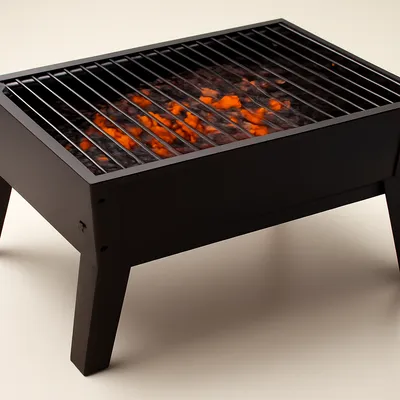
Memphis dry-rub ribs codified at Charlie Vergos's Rendezvous, opened in a Downtown Memphis basement in 1948 as a tavern serving ham sandwiches. After discovering an old coal chute in the basement, Vergos — a Greek-American — switched to charcoal-grilled pork ribs in the mid-1950s, adapting his father's rub recipe (oregano, paprika, cumin) to the bone, cooked over charcoal — not true smoke. The dry style spread through Memphis BBQ joints and split the city into dry-rib and wet-rib camps. Memphis in May (the World Championship Barbecue Cooking Contest, founded 1978) cemented the city as a BBQ-world fixture and the dry rib as the Memphis flag.
Charlie Vergos opened Rendezvous in a Downtown Memphis basement in 1948. He was Greek-American and adapted his father's Mediterranean rub (oregano, paprika, cumin) to charcoal-cooked pork ribs — not true smoke. The rub bark sets when slowly dehydrated by 225°F heat; wet sauce on a dry rib dissolves it on contact.
A mahogany-crusted bone, the rub set into a near-black bark from sugar caramelization. Bite cleanly off — the meat releases at the bone with a small tug, neither falling off (overcooked) nor clinging (undercooked). Heat builds slowly: paprika and brown sugar first, cumin in the middle, cayenne on the back of the tongue. Sauce is optional. Benchmark: Charlie Vergos's Rendezvous (Memphis, since 1948), where the ribs come dry and the sauce stays in a side cup.
The dry rub is a sugar-and-spice crust that caramelizes into a bark when slowly dehydrated by 225°F smoke — the brown sugar's fructose sets the deepest color, paprika contributes the red, and cumin/cayenne are oils that dissolve into rendered fat as it surfaces. Wet sauce on a Memphis rib would dissolve the bark on contact. The vinegar-water spritz mid-cook is critical: it keeps the bark from cracking off the contracting meat without diluting the rub.
Variations
Charlie Vergos's Rendezvous (Memphis, since 1948 — sauce stays in a side cup); Central BBQ (newer Memphis, slightly wetter rub); Cozy Corner (Memphis, Cornish-hen specialty alongside its dry ribs).
On the Palate
Where Memphis Dry-Rub Ribs sits in the American flavor cloud
Ingredients
Serves 4

How it's made
5 steps · 45 min active + 5 hours 15 min waiting
- 15 min
Pull a full rack of pork spare ribs (about 1.4kg / 3 lb). Flip bone-side up and peel the silverskin membrane off using a paper towel for grip — failure to remove this is the most common Memphis-rib mistake.
Watch outIf the membrane tears, work a butter knife under the next section and grip again with the paper towel.
- 210 min
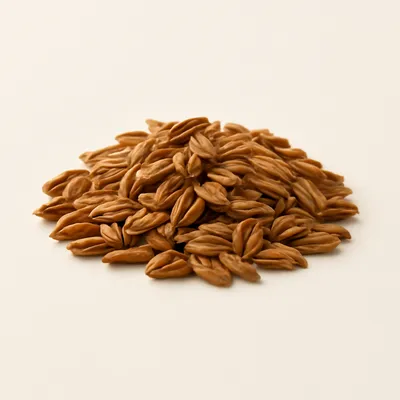
Mix the rub: 3 tbsp sweet paprika, 2 tbsp dark brown sugar, 1 tbsp ground cumin, 1 tbsp kosher salt, 1 tbsp coarse black pepper, 2 tsp garlic powder, 2 tsp onion powder, 1 tsp cayenne, 1 tsp dry mustard. Coat both sides of the rack heavily — a thick crust is the goal. Rest at room temperature 30 minutes.
- 35 min
Set a smoker to 225°F (107°C). Use hickory chunks or a hickory-pecan blend — Memphis tradition leans hickory. Place ribs bone-side down on the grate, away from direct heat.
Watch outPellet smokers run cleaner but produce less bark — bump to 235°F (113°C) to compensate.
- 4300 min
Smoke 4 to 6 hours. Spritz with apple juice every hour after the first 90 minutes to keep the surface from drying. Ribs are done when a toothpick slides into the meat between bones with no resistance and the rack bends easily when lifted with tongs — internal temp around 195°F (90°C).
Watch outDon't trust the time — trust the bend test. Spare ribs from a heavier pig take longer.
- 515 min
Rest 15 minutes loosely tented in foil — do not wrap tight or the bark softens. Cut between bones into individual ribs. Plate dry, with a separate ramekin of thin tomato-vinegar sauce (Rendezvous-style) for those who want it.
Archive tool suggestions — not reviewed
These legacy suggestions have not been evidence-reviewed and are not presented as required tools.