
Australia-New Zealand meringue dessert — large baked meringue with crisp shell + soft marshmallow interior, topped with whipped cream and fruit (passionfruit + kiwi + strawberries). Named after Russian ballerina Anna Pavlova during her 1926 tour. Australia and NZ still argue over which invented it.


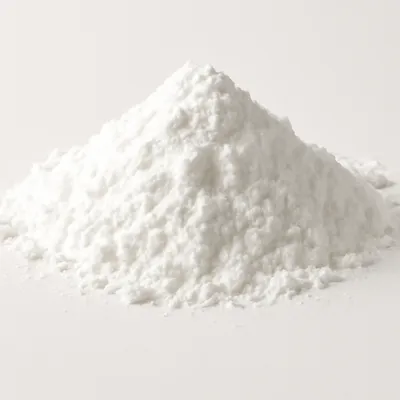
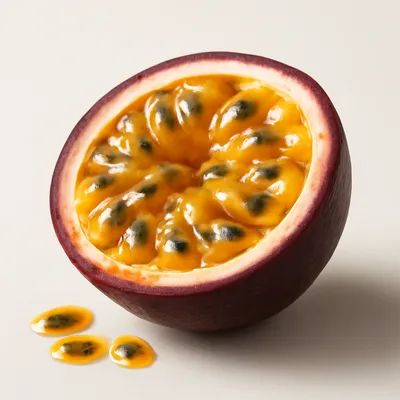

Named after Russian prima ballerina Anna Pavlova during her 1926 tour of Australia and New Zealand. Perth's Esplanade Hotel chef Herbert 'Bert' Sachse claimed he created it there in 1935 (named when a manager called it 'as light as Pavlova'); per the OED the earliest printed use of the name is the 1927 NZ booklet 'Davis Dainty Dishes' (a jelly, not a meringue), and food historian Helen Leach traced the first meringue-cake recipe to a 1929 NZ magazine. Pavlova's biographer Keith Money recorded a separate claim that a Wellington hotel chef devised it during her 1926 visit. NZ has earlier documented evidence; AU argues longer continuous tradition. The technical signature is vinegar + cornstarch in meringue creating the marshmallow-soft interior under a crisp shell.
Perfect pavlova is the most-photogenic dessert in Oceania. Snow-white meringue mound topped with cloud-like cream + jewel-bright fruit + passionfruit pulp dripping. First bite: shell cracks audibly — paper-thin, sweet, crackling. Inside: marshmallow-soft, almost-chewy. Cream is unsweetened-restrained; fruit is tartly bright; together they cut meringue sweetness.
Three principles: (1) Vinegar + cornstarch stabilize foam + create marshmallow center. (2) Slow 130°C bake creates cream-colored crisp shell while keeping interior partially-uncooked. (3) Slow cooling in oven prevents shell cracks.
Variations
Australian canonical (passionfruit + kiwi + strawberry); NZ may add feijoa; chocolate pavlova; lemon-curd pavlova; mini pavlovas; 'Eton mess' is the broken-meringue English cousin.
On the Palate
Where Pavlova sits in the Australian flavor cloud
Beat the whites to stiff glossy peaks and fold in vinegar and cornstarch — these two set up the marshmallow-soft center under the crisp shell that defines a pavlova.
Ingredients
Serves 8How it's made
8 steps · 30 min active + 2 hours waiting
- 13 min
Preheat oven to 130°C. Line baking sheet with parchment; trace 22cm circle.
- 28 min
Separate 6 large eggs into a clean bowl. Whip whites to soft peaks. Gradually add 300g caster sugar over 5 min, beating to stiff glossy peaks.
Watch outBeat to stiff, glossy peaks that hold a sharp point and don't slump when the whisk lifts.
- 32 min
Fold in 1.5 tsp vinegar + 1.5 tsp cornstarch + 1 tsp vanilla.
- 45 min
Mound on parchment within traced circle. Create slight center dip.
Watch outShape a shallow dip in the center so it holds the cream and fruit later.
- 5195 min
Bake 1.25 hours until cream-colored + crisp shell. Turn off oven; leave inside 2 hours to cool slowly.
Watch outIt's done when the shell is dry, crisp, and just cream-colored — not browned.
- 64 min
Whip 400ml double cream + 2 tbsp icing sugar + 1 tsp vanilla to soft peaks.
- 78 min
Prep fruit: 4 passionfruit (pulped), 2 kiwis (sliced), 200g strawberries (halved), 100g raspberries.
- 85 min
Just before serving: transfer pavlova to plate. Pile cream in center. Top with all fruit. Serve immediately.
Archive tool suggestions — not reviewed
These legacy suggestions have not been evidence-reviewed and are not presented as required tools.


