
A Tibetan fried meat pastry: wheat dough enclosing seasoned minced yak (or beef) mixed with cabbage, onion and ginger, crimped into a half-moon (or round) pocket and pan-fried or deep-fried until the shell turns crisp gold and the filling stays juicy. The cabbage in the filling and the half-moon shape distinguish it from its close relative sha balep.

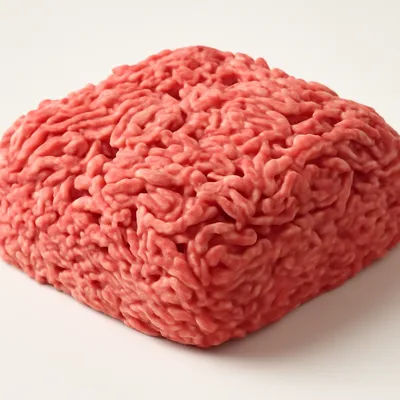
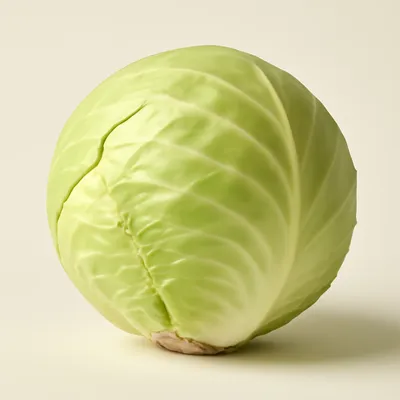

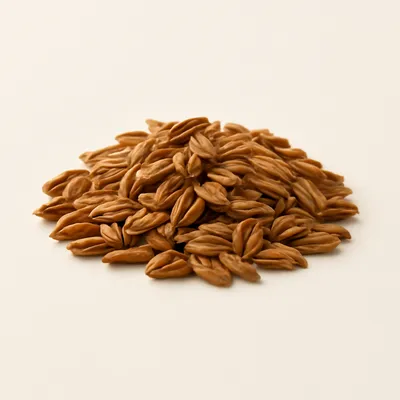
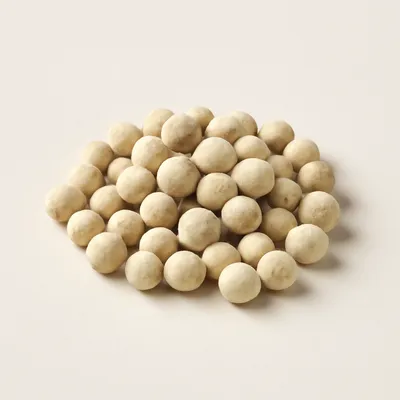
Sha phaley (also shabhaley) is a Tibetan meat-and-cabbage pastry whose name simply breaks down to 'sha' (meat) and 'phaley' — a phonetic variant of 'balep,' meaning bread; sha phaley and sha balep are essentially the same dish under alternative spellings, the filling's cabbage and the half-moon shape being the usual point of difference. Its ingredients mirror what the plateau yields: wheat from the farming valleys, meat from the highland yak herds. Beyond Tibet it is common across the Himalaya — Nepal, Sikkim, Ladakh and Arunachal Pradesh — deep-fried in some places and pan-fried like a potsticker in others. In the meat-leaning Kham region of eastern Tibet, such fried pastries are especially prized: dense, filling and easy to carry, well suited to travel along the old Tea-Horse trade roads.
Bite through the crust and it shatters with a crisp crunch, releasing yak-and-cumin steam. The meat-and-cabbage filling is juicy with a faint fresh tang, the cabbage keeping a tender crispness against the well-cooked meat. Best eaten hot, with a bowl of clear broth or a dab of chili sauce to cut the richness.
As it pan-fries or deep-fries, the sealed dough traps the moist filling and becomes a little steam oven — the meat cooks in its own and the cabbage's released juices while the outer shell slowly crisps and browns. The cabbage carries water that weeps out under heat, helping keep the meat moist. The crimped seam is structural: pressed tight, the half-moon won't burst and leak under the internal steam pressure. Resting briefly before cutting limits juice loss.
Variations
Vegetable sha phaley swaps the meat for a potato-and-cabbage filling. There is a bite-size snack version. In eastern Tibet, Chinese influence has produced steamed bun-style renderings. Filling and method overlap heavily with sha balep — sha phaley simply tends to add cabbage, take the half-moon shape, and lean toward frying.
On the Palate
Where Sha Phaley sits in the Tibetan flavor cloud
Seal the crimped seam airtight so the pastry stays a sealed steam pocket—if it splits, the juices bleed into the oil and the meat cooks dry.
Ingredients
Serves 4


How it's made
7 steps · 50 min active + 50 min waiting
- 155 min
Dough: mix 450g flour, 1 tsp salt, 2 tbsp oil, 240ml warm water; knead 10 min until very smooth. Rest covered 45 min.
Watch outKnead until the dough is very smooth and springs back—that's the gluten it needs to not tear.
- 217 min
Filling: combine 400g ground yak (or beef chuck), 1 cup finely shredded cabbage, 1 small onion finely chopped, 3 garlic cloves minced, 1 tsp salt, 1 tsp white pepper, 1 tsp cumin, 1 tsp soy sauce. Mix well; let sit 15 min.
- 35 min
Divide dough into 6 equal balls. Roll each into a 20cm round, 3mm thick.
- 46 min
Place 1/2 cup filling on one half of each round. Fold the other half over (half-moon shape). Press edges firmly; crimp with a fork.
Watch outPress the edge flat first, then fork-crimp—no air gaps or it bursts in the oil.
- 53 min
Heat 5cm of vegetable oil in a deep pan to 165°C.
- 69 min
Fry sha phaley 2 at a time, 4-5 minutes per side, until both sides are deep golden brown. Drain on rack.
Watch outDeep golden-brown, not pale—pull them when the color goes rich and even both sides.
- 75 min
Cut into wedges; serve hot with sepen (Tibetan chili sauce) and butter tea.
Archive tool suggestions — not reviewed
These legacy suggestions have not been evidence-reviewed and are not presented as required tools.


