
Ireland's national stew: a humble farmhouse one-pot of cheap, tough meat — older mutton in the old days, usually lamb now — layered with potatoes and onions and simmered for hours until the meat falls off the bone and some of the potatoes dissolve to thicken the broth. Purists keep it to just meat, potato, onion, water and seasoning, with the meat left unbrowned, so it cooks up pale — a 'white stew'; later cooks brown the meat and add carrots, barley or thyme, and the argument has never settled. No tomato, no roux — just time and the plainest ingredients.

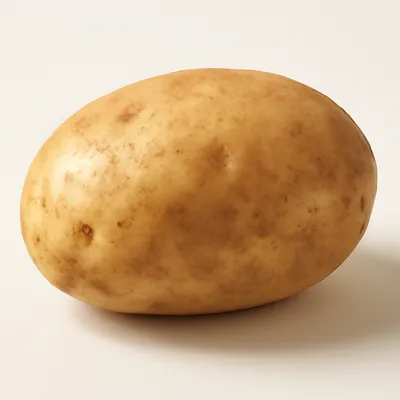



Irish Stew is rooted in the rural poor of 18th- and 19th-century Ireland — cottiers and laborers feeding their families on the cheapest, most filling ingredients available. Sheep were kept mainly for wool and milk, so only old, no-longer-productive animals ended up in the pot; this mutton was tough and strongly flavored, needing hours of slow cooking, and it was cheap. The potato, brought to Ireland in the 16th century via the Columbian Exchange, grew easily and abundantly and became the staple of the poor — the prominence of potato in the stew reflects exactly that. In one pot, the cheapest meat met the cheapest starch and fed a household. From the 19th century the dish moved from countryside into the cities, and traveled abroad with the famine diaspora.
Long-cooked meat falls into stringy threads at the slightest press of a spoon. Some potatoes have melted into the broth, thickening it to a starchy, faintly powdery body; if carrots are in, the long simmer turns them sweet, while the onion has dissolved entirely into a sweet undercurrent. The whole pot is plain and warming — savory and easy but never loud, with no bright tomato acidity and no wine, just the mingled flavor of meat and root vegetables cooked down for hours. The purist 'white stew' is plainest of all, carried entirely by meat and potato.
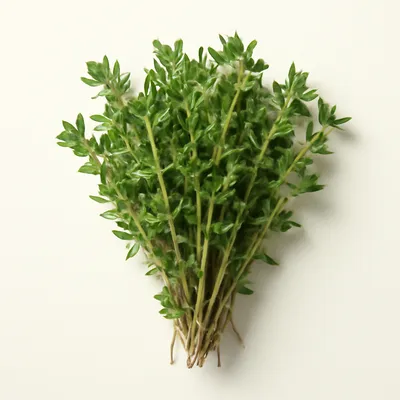
Heat is everything: hold a bare, below-the-boil simmer the whole time. The meat's collagen slowly converts to gelatin around 75–85°C, leaving it soft and falling off the bone; but at a true boil the muscle fibers contract hard and the meat turns dry and stringy instead. The potatoes work two ways — floury ones half-disintegrate, releasing amylose that thickens the broth with no need for flour or roux. Purists stop here: just meat, potato, onion and water, meat unbrowned, the pot left pale. Later cooks brown the meat first, add carrots and barley for body, and finish with thyme — which holds up over a two-hour braise — while delicate herbs like parsley go in at the end to keep their green.
Variations
Methods differ by region. The northern (Ulster) version often adds barley for a thicker body, frequently leaves carrots out, and cooks the potatoes almost into the base. The meat splits two ways too: older, fuller-flavored mutton in the past, more tender lamb today. Modern restaurant flourishes like a splash of Guinness and pearl onions are rejected by purists as un-Irish — fitting, since stout only became widely known after the 1820s, well after the stew took shape. A close cousin, Dublin coddle, follows the same idea but uses pork sausage and bacon in place of the lamb.
On the Palate
Where Irish Stew sits in the Irish flavor cloud
Ingredients
Serves 6


How it's made
7 steps · 30 min active + 2 hours 30 min waiting
- 110 min
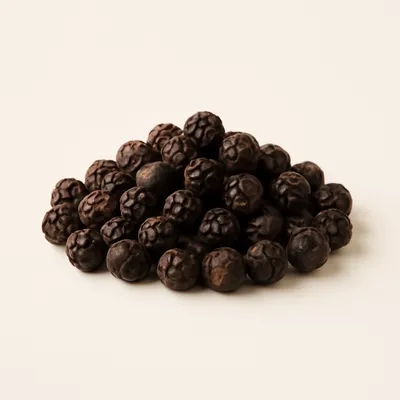
Cut 1 kg lamb shoulder into 4 cm chunks; pat dry. Season with salt and black pepper.
- 214 min
Heat 2 tbsp oil in a heavy pot over medium-high. Brown lamb in batches, 4 min per side. Remove.
Watch outBrown the lamb hard until a deep crust forms — that fond is the backbone of the broth's flavor.
- 37 min
Reduce heat. Add 2 sliced onions and 3 carrots cut into 3 cm chunks. Cook 5 min until onion softens.
- 44 min
Return lamb. Add 1 L lamb or beef stock, 4 sprigs thyme, 2 bay leaves. Bring to bare simmer.
- 590 min
Cover, simmer gently 90 minutes (do not boil — boiling toughens lamb).
Watch outDial the heat so only an occasional bubble breaks the surface — no rolling boil from here on.
- 635 min
Add 800 g floury potatoes (Maris Piper or Kerr's Pink) peeled and quartered. Continue simmering 30-40 min until potatoes are tender and starting to break, thickening the broth.
Watch outPotatoes are done when a knife slides in easily and the edges just start to fray and cloud the broth.
- 72 min
Skim surface fat. Taste — salt and pepper as needed. Chopped parsley on top.


