
Tsuivan is one of Mongolia's most common everyday noodle dishes: a hearty plate of hand-cut wheat noodles cooked with mutton and a few vegetables. A sheet of hand-rolled dough is steamed over the meat and vegetables, then sliced into short, slightly wide noodles and stir-fried with everything so it soaks up the fat and juices.

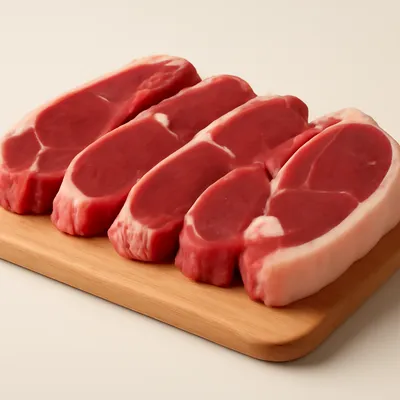



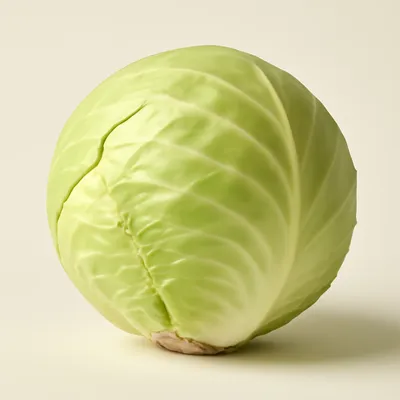
Tsuivan is the everyday noodle dish of the Mongolian home and one of the country's most common meals — a sheet of hand-rolled dough steamed over mutton and a little vegetable, then cut into noodles and stir-fried with the meat. The wheat-cooking behind it carries strong Chinese culinary influence, spread north through trade and Inner Mongolia: the name borrows from Mandarin chao bing (炒饼, "stir-fried flatbread"), a northern Chinese staple in which a cooked flatbread is sliced into strips and stir-fried with cabbage and meat. Tsuivan follows the same cook-the-sheet-then-cut-then-fry logic, only steaming the dough instead of griddling it. It is nomad cooking built around a single pot, close to the stir-fried and mixed noodles of Xinjiang but distinguished by being steamed first rather than boiled.
Slippery, chewy ribbons of noodle carry the deep savor of mutton fat and sweet softened carrots and onions. It eats like a comforting one-pot meal, rich but not saucy, with little bursts of caramelized meat in every forkful.
Steaming the noodles instead of boiling them is what keeps them springy rather than mushy. Boiling fully gelatinizes the surface starch, so the wet strands turn sticky, clump together, and break apart in the wok; steaming heats with almost no water, so that surface starch only half-cooks and barely leaches out, and the dough — rolled and dried firm beforehand — holds as separate, chewy strands even after long frying. Cutting and returning them to the wok then lets the hot starch drink up the rendered fat and meat juices for flavor without going gummy. Browning the mutton first renders its fat and builds a Maillard-seared savory base.
Variations
Beef instead of mutton, added bell pepper or turnip, a splash of soy sauce in urban versions, or fully vegetable for fasting days.
On the Palate
Where Tsuivan sits in the Mongolian flavor cloud
Ingredients
Serves 4
How it's made
8 steps · 50 min
- 133 min
Make a stiff dough from flour, water and salt; rest it covered for 30 minutes.
Watch outKnead it firm and dry — a stiff dough is what lets the noodles stay springy instead of turning to mush.
- 212 min
Roll the dough into thin sheets, brush lightly with oil, stack and slice into thin noodle strips.
- 312 min
Steam the oiled noodle strips over boiling water for about 10 minutes until just set, then set aside.
Watch outSteam just until the strips turn from raw-pale to set and no longer stick — over-steam and they go soft.
- 46 min
Heat fat in a wide pot and brown sliced mutton until the edges color.
Watch outLet the mutton edges brown and the fat render before adding veg — that rendered fat is what the noodles later soak up.
- 56 min
Add onion, carrot, potato and cabbage; stir-fry until softened.
- 615 min
Pour in a little water, cover and simmer the meat and vegetables until tender.
- 75 min
Lay the steamed noodles over the stew, cover and steam together a few minutes.
Watch outToss the steamed noodles through until every strand is coated in fat and juices, not clumped or soupy.
- 83 min
Toss everything thoroughly, season with salt and serve hot.


