
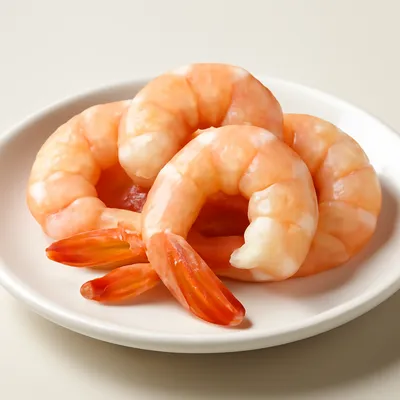
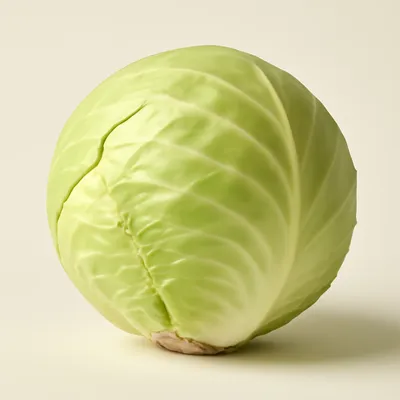
Suriname's Indonesian-Javanese stir-fried noodles — egg noodles tossed with chicken, shrimp, vegetables (cabbage, bok choy, scallions, carrots), eggs, and the universal Indonesian sweet soy sauce (ketjap manis). The Javanese-Surinamese street food, the weeknight family meal, the lunchbox staple.
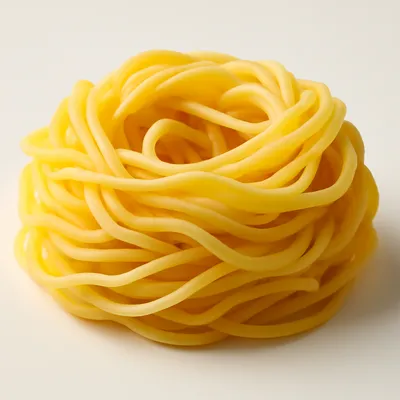



Bami goreng (literally 'fried noodles' in Javanese) is the Indonesian-Javanese contribution to Surinamese cuisine, brought by Javanese contract workers. The first group of 94 arrived aboard the Prins Willem II on 9 August 1890, mostly from Soerakarta (present-day Solo, Central Java), bound for the Mariënburg plantation; between 1890 and 1939 thousands of Javanese came to Suriname. In Suriname the dish was adapted: the traditional wheat or egg noodles were typically replaced by spaghetti, which was cheaper, more readily available, and held up better to the tropical heat — a substitution that gave Surinamese bami its own identity. The flavours stayed rooted in Javanese cooking, leaning heavily on sweet soy sauce (ketjap manis) with vegetables and meat or seafood, and built up with Indonesian seasonings such as trasi (shrimp paste), laos (galangal), coriander, ginger and garlic; it is sweeter and uses more diverse vegetables than the Indonesian original. The dish became part of the universal Surinamese kitchen — every household has its own bami recipe — and is a common weeknight family dinner in the Surinamese-Dutch and Surinamese diaspora. Modern Amsterdam Surinamese restaurants serve bami goreng year-round.
Pick up a tangle of bami goreng with chopsticks — the noodles are golden-tinted from ketjap manis, glistening with stir-fried oil, studded with chicken pieces, shrimp, ribbons of cabbage, scrambled egg, sliced carrots, fresh scallions. Each bite gives a different mix: a chunk of chicken with noodles, then a shrimp with cabbage, then egg with scallions. The ketjap manis provides the signature sweet-savory backbone; sambal adds layered chili heat that builds; lime juice brightens. With Parbo beer and sambal on the side for extra heat, this is the Surinamese stir-fry that feels at once Indonesian, Caribbean, and uniquely Surinamese.
Wok-frying at high heat creates the signature wok hei (smokey aroma) — the noodles slightly char without burning. Adding the sauces near the end (rather than at the start) prevents burning and lets the flavors coat the noodles. Stir-frying vegetables briefly maintains their crunch and color. Ketjap manis (sweet soy) is the defining ingredient — without it, this is just stir-fried noodles, not Surinamese bami goreng.
Variations
Bami goreng with beef (instead of chicken). Vegetarian bami goreng (tofu instead of meat). With pork (non-Hindu version). Mini bami goreng for cocktail. Modern fusion with sausage. Spicy version with extra sambal.
On the Palate
Where Bami Goreng Surinamese sits in the Surinamese flavor cloud
Ingredients
Serves 4









How it's made
11 steps · 30 min active + 10 min waiting
- 16 min
Boil 400 g fresh egg noodles (or 250 g dried) in salted water 3-4 min. Drain; toss with 1 tbsp oil. Set aside.
- 23 min
Heat 2 tbsp oil in a wok or large pan over high heat. Add 2 beaten eggs; scramble lightly 1 min. Remove; set aside.
- 34 min
In the same pan, add 2 more tbsp oil. Add 4 minced garlic cloves + 1 chopped onion + 2 chopped scallions (white parts) + 1 minced ginger; stir-fry 2 min.
Watch outKeep the flame high and the wok screaming — that fierce heat is what gives the noodles their smoky edge; a lukewarm pan just steams everything limp.
- 46 min
Add 300 g cubed chicken thigh; stir-fry 5 min.
- 54 min
Add 150 g shrimp; stir-fry 3 min.
- 65 min
Add 1 chopped carrot + 200 g shredded green cabbage + 100 g bok choy (chopped); stir-fry 4 min until crisp-tender.
Watch outToss the vegetables just 4 minutes — pull them while the cabbage still snaps and the carrot keeps its color; cook them down and the dish goes soggy.
- 72 min
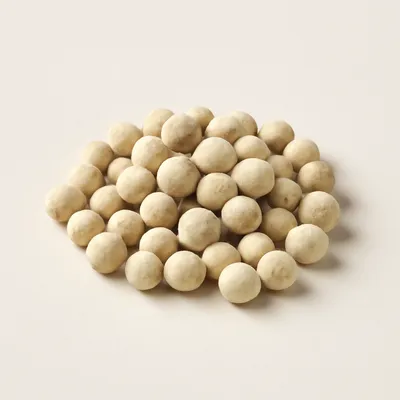
Add 2 tbsp ketjap manis + 1 tbsp regular soy sauce + 1 tsp sambal oelek (chili paste) + 1 tsp sugar + 1 tsp ground white pepper + 1 tsp ground laos (galangal, optional) + 1/2 tsp terasi (shrimp paste, optional).
- 84 min
Add the noodles and scrambled eggs. Toss everything together; stir-fry 3-4 min to combine and coat the noodles in the sauce.
Watch outAdd the sauces only now, near the end, and keep tossing until every strand goes glossy brown — put the sweet soy in early and it scorches on the hot wok.
- 92 min
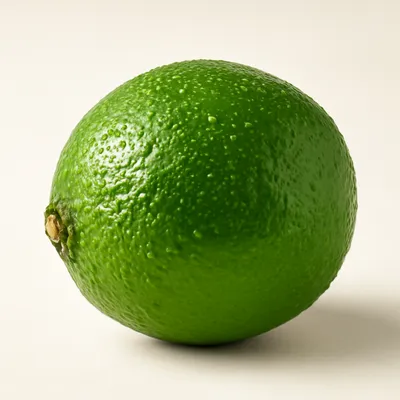
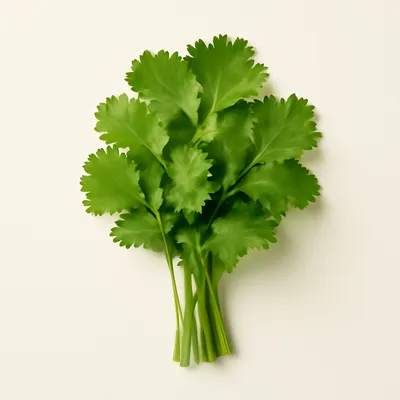
Stir in 1/2 cup chopped scallions (green parts) + 1 tbsp lime juice + 2 tbsp chopped cilantro.
- 101 min
Taste; adjust soy/salt/sweetness.
- 113 min
Serve in deep bowls or plates. Top with: fried shallots (bawang goreng) + 2 tbsp chopped scallions + lime wedges + sambal on the side. Eat with chopsticks or fork. Drink with sweetened tea or Parbo beer.


