
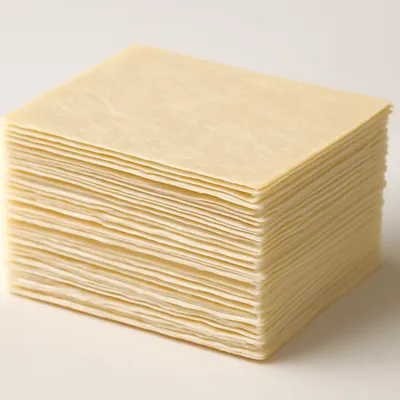
A Yangzhou morning-tea classic: a block of firm dried tofu hand-sliced into thin sheets, finely julienned into hair-thin threads, repeatedly scalded in near-boiling water to wash out the bean odour, then mounded into a neat pagoda and dressed cold with sesame oil, light soy, ginger shreds and shrimp roe.




Scalded shredded tofu is a fixture of Yangzhou and Taizhou morning tea (zaocha), the Huaiyang cuisine of the lower Yangtze. Its exact origin cannot be traced. The earliest well-known written record is the essay 'On Yangzhou' (Shuo Yangzhou) by the writer Zhu Ziqing (1934), which describes the local teahouse dish precisely: a large square block of white dried tofu sliced thin and shredded, set in a small bowl, cooked through with poured boiling water, drained, heaped into a cone, then dressed with sesame oil and topped with shrimp and shredded bamboo shoot — noted as clean and light. The dish is prized above all for its knife work, the hallmark of the Huaiyang school.
The threads are matchstick-fine and unbroken, piled into a soft pagoda. The first taste is clean tofu with no bean rawness, then sesame oil and the salt-savour of shrimp-roe soy, and last the bright lift of raw ginger. Texture is tender and yielding, never mushy; each strand stays separate, soaking up dressing without going slack.
The threads must be cut hair-thin so they soften through and take dressing evenly in their brief contact with hot water; a competent block yields about sixteen to twenty-four uniform thin sheets (twenty is entry level, thirty or more marks a master, two to three years' practice), each then julienned to matchstick width. Firm dried tofu is pressed and brined, so it carries a raw bean smell and loose surface alkali and salt. Repeated dousing with near-boiling water, draining between each, leaches out that bean odour, alkalinity and brine and relaxes the protein gel to a supple bite — without boiling the strands, which would break and turn pasty. The dressing goes on cold at the end so the sesame oil, soy and raw ginger stay sharp and aromatic rather than cooking off.
Variations
The hot counterpart is dazhu gansi, the same threads simmered in chicken stock until the savour soaks in, served warm with chicken, ham or bamboo — richer and fuller, where scalded shredded tofu is kept deliberately spare and clean. Toppings vary: shrimp roe and fine ginger are standard; some add coriander, blanched bamboo or shredded zha cai. The dish belongs to Yangzhou and Taizhou teahouses; elsewhere the cold scalded form is far less common than the braised one.
On the Palate
Where Scalded Shredded Tofu sits in the Chinese flavor cloud
Ingredients
Serves 4How it's made
6 steps · 20 min active + 5 min waiting
- 18 min
Lay a block of firm dried tofu flat and, holding the knife level, slice it horizontally into thin even sheets — sixteen to twenty-four per block, each as thin as you can keep them intact.
Watch outSlice the block into paper-thin even sheets — the thinner and more uniform, the better the threads soften through and take the dressing in their brief hot-water bath.
- 26 min
Stack the sheets and cut them lengthwise into matchstick-fine threads; keep the strands separate and unbroken.
- 34 min
Put the threads in a heatproof bowl and pour over freshly boiled water; let stand briefly, then drain. Repeat the douse-and-drain two to three times until the bean smell is gone and the threads are supple.
Watch outDouse and drain with just-boiled water two or three times until the raw-bean smell is gone and the threads turn supple — this leaches out the alkali and brine without boiling them mushy.
- 42 min
Drain thoroughly and press out excess water, then mound the threads into a neat pagoda or dome on a serving plate.
- 51 min
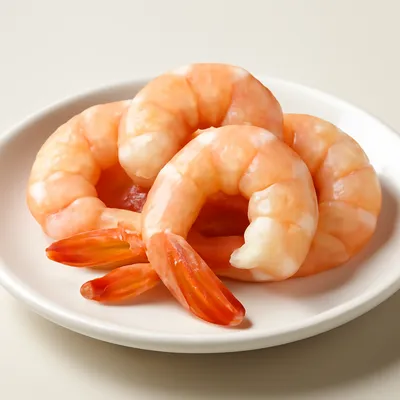
Pile fine ginger shreds on top and scatter over softened shrimp roe.
- 61 min
Dress cold with sesame oil and light (or shrimp-roe) soy sauce, adding a few drops of vinegar if you like; serve at once.
Archive tool suggestions — not reviewed
These legacy suggestions have not been evidence-reviewed and are not presented as required tools.


