
Kkwabaegi is the twisted doughnut of the Korean market street: a rope of yeasted dough folded and spun into a spiral, deep-fried until golden, and rolled while still warm in sugar, often with a little cinnamon. The crumb is soft and pillowy, the surface lightly crisp, the whole thing sweet and faintly chewy. It is classic bunsik — cheap, hot, made-on-the-spot snack food sold from market stalls and old-style bakeries by the bagful. Beside it on the same trays usually sit its siblings, the round chapssal-doughnut and the filled twist, all of a family of Korean fried-dough sweets.




Kkwabaegi descends from the Chinese twisted fried dough mahua, brought into Korea by Shandong Chinese immigrants around the close of the Joseon dynasty and known then under names tied to that mahua root. It took hold and was thoroughly naturalized as Korean market and bakery fare, becoming a fixture of the bunsik snack culture and the daily bread of neighborhood bakeries through the twentieth century. It is a popular street food rather than the creation of any one shop, sold the country over; its Chinese ancestry is real and worth naming, even as the sugared, soft-crumbed Korean form became a thing of its own.
Biting through the thin, sugar-crusted shell, you hit a soft, airy, slightly stretchy crumb that pulls a little as you tear it. It is warm and yeasty-fragrant, with a clean sweetness from the sugar coating and a gentle cinnamon warmth if dusted with it. There is none of the heavy density of a glazed Western doughnut — kkwabaegi is lighter, chewier, and less rich, the spiral of dough giving a satisfying tear along its twist. Eaten fresh and hot from the fryer it is at its best, the contrast of crisp sugar and tender crumb at its sharpest.
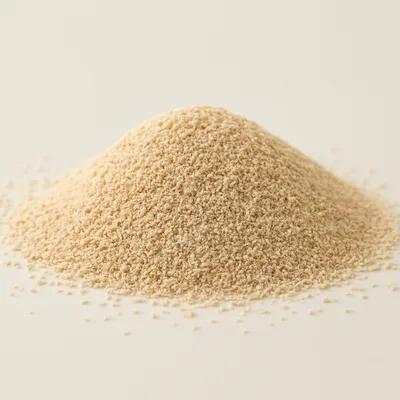
Yeast is what gives kkwabaegi its airy lift: fermentation generates carbon dioxide that inflates the gluten network of the wheat dough, and a proper rest lets the dough relax and rise so the fried crumb comes out soft and open rather than dense. Twisting the rope and pinching the ends sets the spiral that holds through frying. In the hot oil the surface dehydrates and browns into a thin crisp skin by the Maillard reaction while the inside steams and stays tender. Rolling the doughnut in sugar while it is still hot and faintly oily makes the granules cling and partly melt onto the surface, fixing the sweet, crackly coating. Adding glutinous rice flour to the dough swaps some gluten for sticky starch, yielding the denser, chewier mochi-like bite of the chapssal version.
Variations
The plain sugar-and-cinnamon twist is the standard, but variations run wide: the glutinous-rice chapssal-kkwabaegi for a chewier bite, twists filled with red-bean or custard, and modern shop versions coated in glazes or studded with nuts. Its closest market siblings are the round chapssal-doughnut and the filled doughnut, all fried from related doughs and sold side by side. The dish belongs to the same broad family as the Chinese mahua it sprang from, though the Korean form is softer, yeastier, and sweeter on the outside.
On the Palate
Where Kkwabaegi sits in the Korean flavor cloud
Ingredients
Serves 6

How it's made
7 steps · 40 min active + 1 hour 20 min waiting
- 110 min
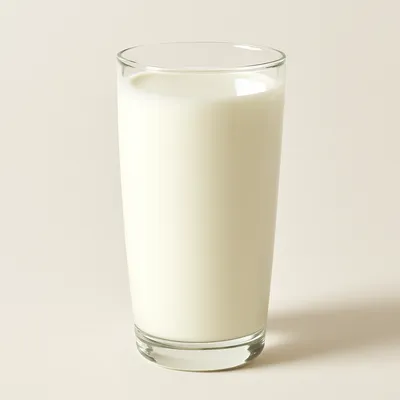
Dissolve the yeast and a little sugar in warm milk or water, then mix into the flour with salt, an egg, and softened butter to form a soft dough.
- 260 min
Knead the dough until smooth and elastic, then cover and let it rise in a warm place until doubled.
Watch outThe dough is ready when it has doubled and springs back slowly from a poke — under-risen dough fries up dense instead of airy.
- 310 min
Punch down the dough and divide it into small pieces, rolling each into a long, even rope.
- 412 min
Fold each rope in half and let the two ends twist around each other into a spiral, pinching the ends to seal.
- 515 min
Let the shaped twists rest briefly so they puff again.
- 68 min
Heat the oil to a moderate frying temperature and fry the twists, turning, until golden brown all over; drain well.
Watch outFry at a moderate heat until golden all over — too hot and the outside browns before the inside cooks through and stays doughy.
- 75 min
While still warm, roll the doughnuts in a mix of sugar and cinnamon until evenly coated, and serve.
Watch outRoll in sugar while still warm and faintly oily — that's when the granules cling and half-melt onto the surface; cold twists won't hold the coating.
Archive tool suggestions — not reviewed
These legacy suggestions have not been evidence-reviewed and are not presented as required tools.



