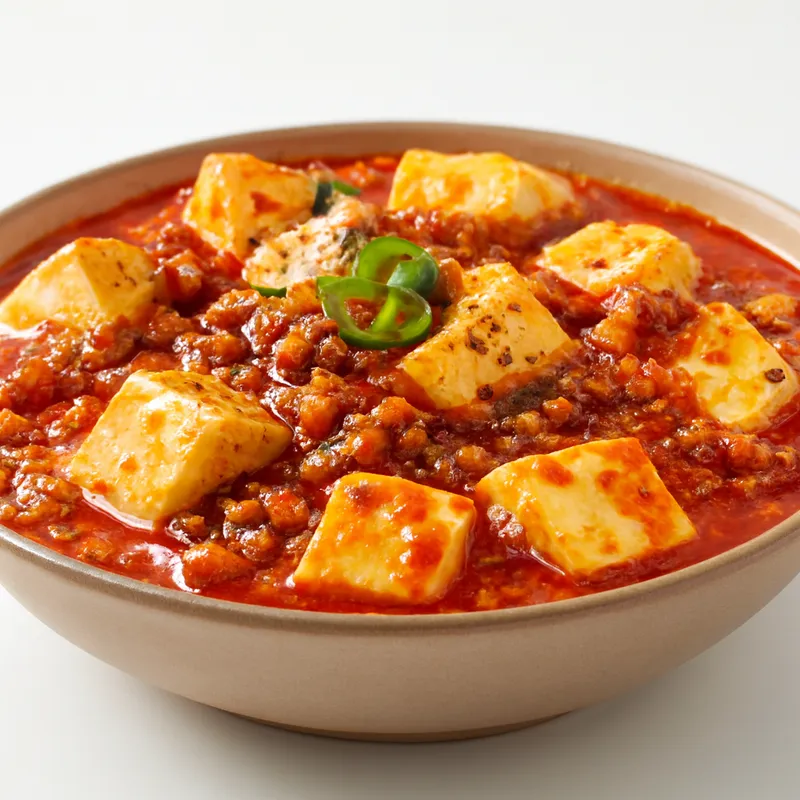
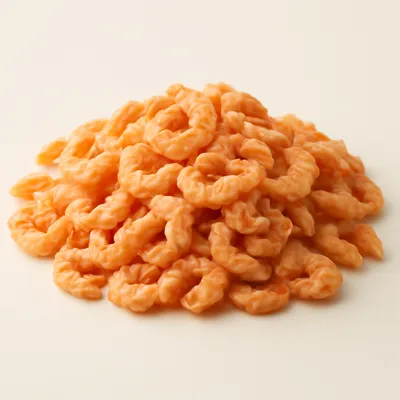
The most celebrated vegetable dish in the Huaiyang canon, 开洋蒲菜 pairs the crisp white inner shoots of the bulrush — called "heaven's finest bamboo shoot" — with the concentrated umami of sun-dried shrimp (开洋), braised briefly in rich chicken stock. The result is achingly delicate: the shoots dissolve almost without chewing, carrying the sea's depth in every silken bite. A signature of Huaian's 2,000-year culinary identity.




The cattail has featured in Chinese culinary texts for over two thousand years. The Western Han scholar Mei Sheng listed it among "the greatest delicacies under heaven" in his Seven Stimuli (七发, c. 135 BCE). During the Southern Song, the commander Han Shizhong's wife Liang Hongyu defended Huaian against Jin invaders; when supplies ran out around 1136, she observed horses eating cattail stems and ordered soldiers and civilians to harvest them as rations — the plant earned the lasting name "the Anti-Jin vegetable" (抗金菜). The Ming novelist Wu Cheng'en, a Huaian native, wrote of the local cattail in Journey to the West. Premier Zhou Enlai, also from Huaian, later served it to foreign dignitaries, cementing its status as the city's most iconic dish.
The shoots are whiter than bean curd, almost impossibly tender — a few threads of fiber that dissolve as they touch the tongue, leaving an elusive water-plant sweetness and clean freshness. The dried shrimp and chicken stock anchor the delicacy with a briny, savory depth that saves each bite from feeling merely insubstantial. The contrast between the vegetable's ethereal texture and the shrimp's concentrated umami is the whole point of the dish.
The cattail's inner stem is young, unlignified leaf-sheath tissue with cell walls not yet reinforced by cellulose or lignin; its water content exceeds 90%, making it exceptionally delicate — similar in structure to fresh water chestnut but far more fragile. Brief blanching in chicken stock softens the tissue without collapsing it; the subsequent short braise allows glutamates from the stock and inosinates from the dried shrimp to diffuse into the porous cellular spaces, creating a powerful synergistic umami effect (nucleotide-glutamate synergy multiplies perceived savory intensity several-fold) without masking the plant's native sweetness. The key constraint is temperature: above 85°C for more than a few minutes, the delicate cells rupture and the shoots turn mushy.
Variations
The formal banquet version, "开洋扒蒲菜," arranges the shoots upright in a mold, steams them in chicken stock, and unmolds them whole onto the plate — a display of precise knife work and restraint. Outside Huaian, the dish is nearly impossible to replicate authentically: repeated attempts by Nanjing and Shanghai restaurants to transplant the specific cattail variety from Huaian's Tianfei Gong wetlands have failed — the plant loses its characteristic texture when grown in different water and soil.
On the Palate
Where Braised Cattail Shoots with Dried Shrimp sits in the Chinese flavor cloud
Ingredients
Serves 4
How it's made
7 steps · 33 min active + 15 min waiting
- 110 min
Peel fresh cattail shoots under cold running water, removing 10 or more tough outer layers until the pure white, tender inner core is fully exposed; cut into 8–10 cm sections.
- 210 min
Soak the peeled sections in cold water with a few drops of lemon juice for 10 minutes to prevent oxidation; drain and gently press out excess moisture.
- 310 min
Reconstitute dried shrimp (开洋) in warm water for 10 minutes; drain and reserve the soaking liquid separately.
- 43 min
Bring chicken stock to a boil; blanch cattail sections for 60 seconds only; lift out immediately and refresh in cold water to halt cooking; drain gently.
Watch outBlanch the cattail sections just sixty seconds, then straight into cold water — a moment longer and the tender core collapses.
- 53 min
Heat a wide pan or wok; add chicken fat or neutral oil; add drained dried shrimp and stir-fry over medium heat for 30 seconds to bloom their fragrance.
- 67 min
Pour in chicken stock and the reserved shrimp soaking water; bring to a gentle simmer; add the blanched cattail sections; cover and braise over medium-low heat for 5–7 minutes, basting gently once or twice — do not let the liquid boil hard.
Watch outKeep the braise at a bare simmer, never a hard boil — these shoots are over 90% water and fall apart if the pot rolls.
- 75 min
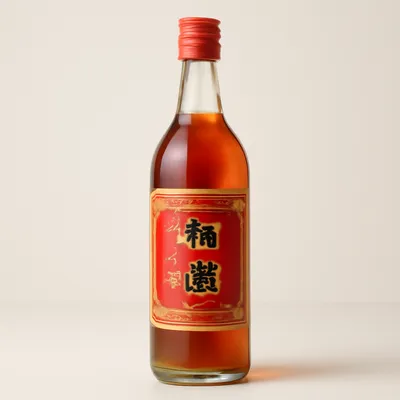
Season with salt and a few drops of Shaoxing rice wine; add a very light starch slurry if a glossy finish is desired; arrange on a warm plate and serve immediately while the shoots are still pristine white.
Archive tool suggestions — not reviewed
These legacy suggestions have not been evidence-reviewed and are not presented as required tools.