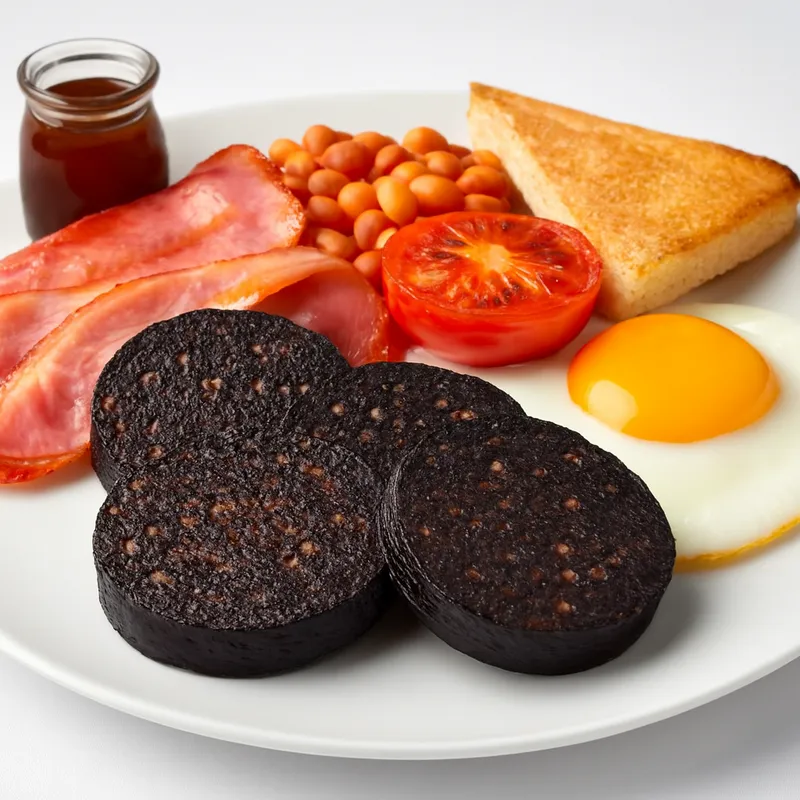
Pitted prunes, sometimes soaked in tea or brandy, wrapped in streaky bacon and baked until the bacon crisps and the prune turns dark and sticky. The sweet cousin of the oyster-based Angels on Horseback.

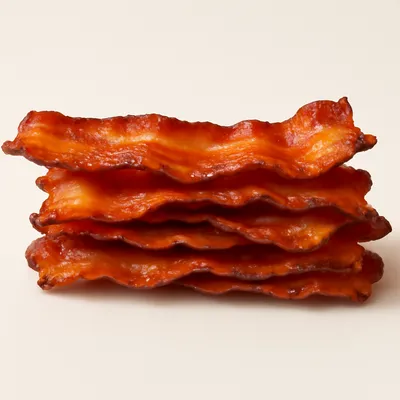



Devils on Horseback are the sweet-and-savoury counterpart to the oyster-based Angels on Horseback, a Victorian English savoury of similar structure but opposite character. Where the angel is the pale briny oyster, the devil is the dark sweet prune, both wrapped in bacon and served hot on toast. The dish belongs to the 19th-century culture of 'savouries', small, salty, strongly flavoured finger foods served at the end of a gentlemen's dinner or as a late supper, a course that has now almost entirely disappeared from British dining. The prune was a cheap, keepable dried fruit, and the combination with salty crisp bacon made a sticky, intense mouthful. The prunes are often soaked in hot tea to plump them, or soaked in brandy for a richer version, sometimes stuffed with a piece of mango chutney, liver or Stilton before wrapping. The dish survived the disappearance of the savoury course better than its angel cousin, since prunes are easier to source than fresh oysters, and remains a frequent Christmas and drinks-party bite.
Crisp, salty, smoking bacon shattering around a hot, dark, intensely sweet prune, the juices running sticky and tarry. Salty, sweet, smoky in one bite; rich and moreish with a drink.
The mechanics are the same as Angels on Horseback but tuned for the prune. Dried prunes are first rehydrated, either in hot water, hot tea which adds tannin and colour, or brandy for richness, until plump. Streaky bacon is wrapped tightly around each prune and secured, then the bundles are baked at a high temperature, around 200 degrees C, for 10 to 15 minutes. Baking rather than grilling suits the prune, which benefits from a longer, dryer heat to concentrate its sugars and turn sticky and dark while the bacon crisps and renders its fat into the fruit. The prune's sugars caramelise slightly, intensifying the sweetness against the salt of the bacon. A common enrichment is to stuff the pitted prune with a piece of mango chutney, a sliver of chicken liver, or a cube of blue cheese before wrapping, adding a third flavour layer. Served hot on toast fingers or a stick, the contrast of crisp, salty casing and hot, sweet interior is the point.
Variations
Stuffing the prune with mango chutney, liver pate or Stilton adds richness. A dash of brandy or a soak in Earl Grey tea perfumes the prune. Dried apricots or dates sometimes replace the prune.
On the Palate
Where Devils on Horseback sits in the British flavor cloud
Ingredients
Serves 4How it's made
6 steps · 15 min
- 14 min
Soak 24 pitted prunes in hot tea or warm water for 20 minutes until plump; drain, and soak in a splash of brandy if liked.
- 23 min
Preheat the oven to 200 degrees C; cut 24 thin rashers of streaky bacon and stretch each with the back of a knife.
- 33 min
Optionally stuff each prune with a small piece of mango chutney or a cube of blue cheese.
- 43 min
Wrap a rasher of bacon around each prune and secure with a cocktail stick.
- 55 min
Place on a baking tray and bake for 10 to 15 minutes until the bacon is crisp and the prunes dark and sticky.
Watch outPull them when the bacon crisps and the prunes go dark and sticky — under and the bacon's still flabby and pale.
- 64 min
Toast fingers of bread; serve the devils hot on the toast, or piled on a plate with cocktail sticks.
Archive tool suggestions — not reviewed
These legacy suggestions have not been evidence-reviewed and are not presented as required tools.