A small round puff-pastry tart from Geraardsbergen, East Flanders, filled with mat—fresh milk curds made by acidifying whole milk with buttermilk—blended with eggs and sugar. Protected by EU PGI since 2007, it bakes to a deep brown, flaky shell enclosing a tender, lightly tangy curd center.



The earliest known recipe for mattentaart appears in Thomas van der Noot's 'Boeken van cokerijen' (1510), one of the first printed Dutch-language cookbooks. The tart became a staple at regional fairs and aristocratic tables across East Flanders through the 16th–18th centuries. On 15 February 2007, the European Commission awarded the Geraardsbergse mattentaart Protected Geographical Indication (PGI) status—the first Flemish regional food product to achieve this distinction—restricting production to the municipalities of Geraardsbergen and Lierde.
Shattering, multilayered puff pastry gives way to a dense, custardy curd filling—faintly tangy from the buttermilk, sweetened with sugar, rich with egg—finished by a toasty, caramelized crust.
Puff pastry lamination traps hundreds of alternating butter and dough layers; oven heat around 200°C converts trapped moisture to steam, forcing layers apart to create the characteristic flaky lift. The mat filling—casein proteins precipitated by buttermilk acidity plus egg proteins—sets via heat denaturation at 70–80°C, forming a tender custard gel. The egg-washed surface undergoes Maillard reactions between reducing sugars and amino acids, producing the deep brown color and roasted aroma.
Variations
Some bakers add ground almonds or almond extract to the mat for a marzipan note. Miniature single-bite versions are sold at Geraardsbergen's annual spring fair. A Brussels variation uses a slightly sweeter filling and thinner pastry shells.
On the Palate
Where Mattentaart sits in the Belgian flavor cloud
Ingredients
Serves 8How it's made
7 steps · 25 min
- 1480 min
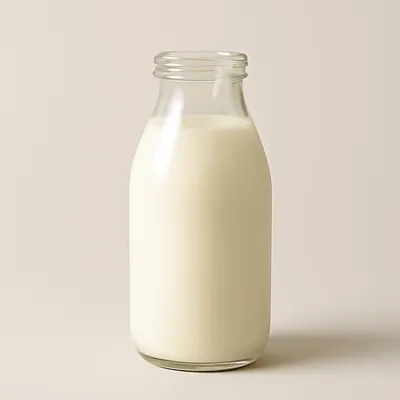
Warm whole milk to 32°C, stir in buttermilk, and leave at room temperature for 8–12 hours until firm curds form; drain through cheesecloth and press lightly to make mat.
Watch outLeave the milk and buttermilk 8 to 12 hours until firm curds form — a thin, loose set means the tart filling won't hold as a custard.
- 25 min
Combine mat with beaten eggs and sugar, mixing until smooth; add a few drops of almond extract if desired.
- 310 min
Roll chilled puff pastry to 3mm thickness and cut rounds to fit greased tart tins; press gently into the bases.
- 410 min
Spoon filling into pastry-lined tins to three-quarters full; cover with a second round of puff pastry and crimp edges to seal.
- 55 min
Pierce a small steam vent in the center of each pastry top; brush the surface evenly with egg wash.
- 630 min
Bake at 200°C for 25–30 minutes until the pastry is deep brown and the filling is set.
Watch outBake until the puff pastry is deep brown and the filling is set — a pale, pulled-too-early tart leaves the centre raw and wet.
- 710 min
Remove from oven, cool on a wire rack for 10 minutes, then unmold and serve at room temperature.
Archive tool suggestions — not reviewed
These legacy suggestions have not been evidence-reviewed and are not presented as required tools.


