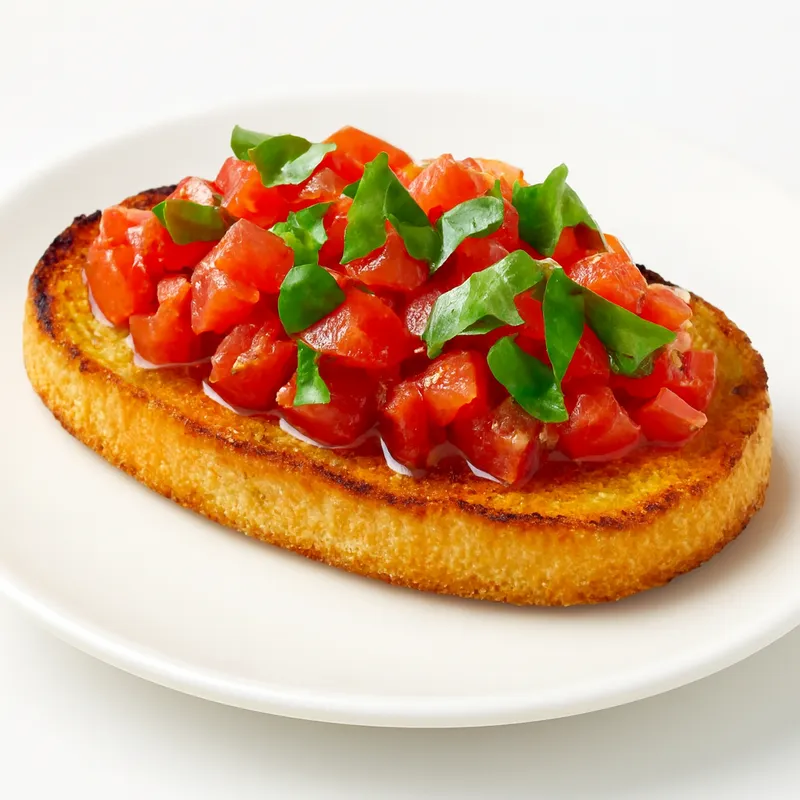
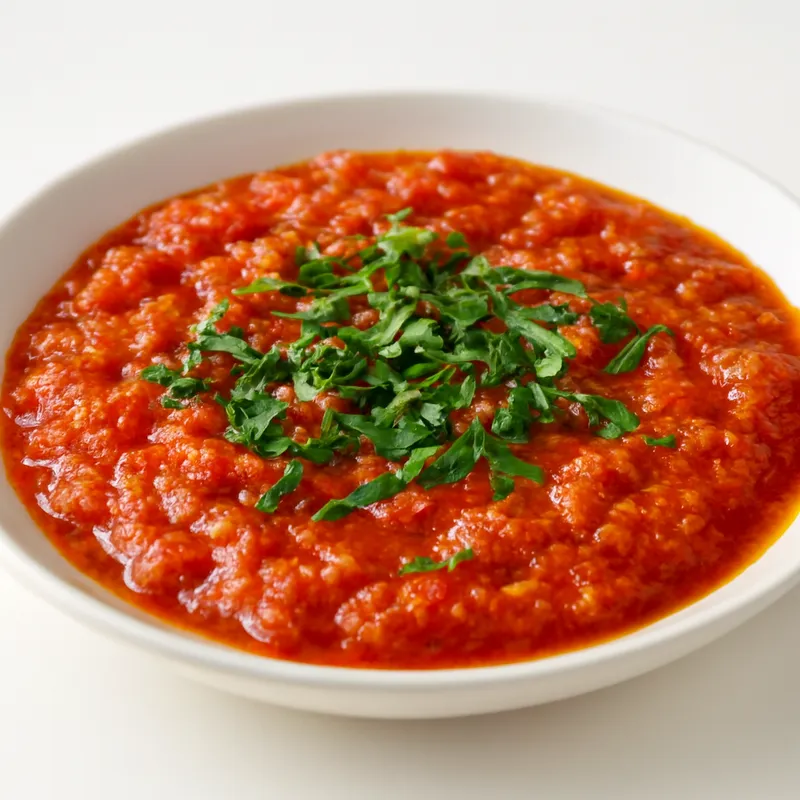
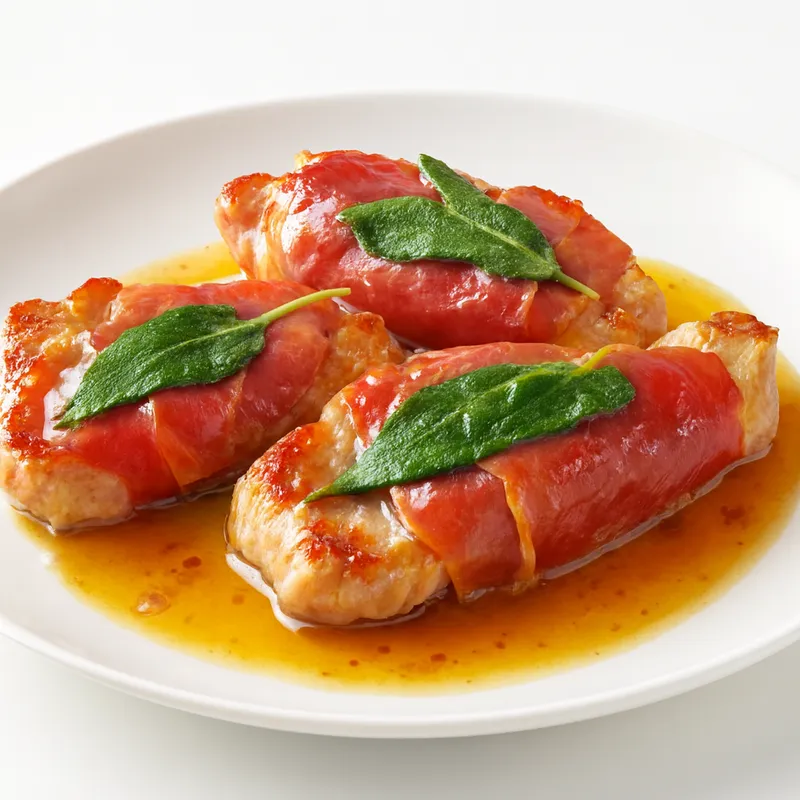
Pane Sciapo is a simple yet profound creation, consisting of just flour, water, and yeast. The absence of salt highlights the natural sweetness of the wheat, creating a tender crust and a delicate, airy crumb. Knead the dough until smooth, let it rise, and bake until the crust turns a golden brown, filling the air with a subtle, nutty aroma. In dishes like Bruschetta and Pappa al Pomodoro, Pane Sciapo serves as the perfect canvas, allowing the vibrant flavors of fresh tomatoes, garlic, and olive oil to shine. Its lack of salt doesn't compete with the bold elements of Saltimbocca, instead providing a textural contrast. The test for done is the sound: a hollow knock on the bottom, a sign that the loaf is ready.
Where it comes from
In the heart of Tuscany during the 12th century, Pane Sciapo emerged out of necessity and defiance. The region was embroiled in a salt trade dispute, with Pisa controlling access to the precious mineral. To counteract the inflated prices and shortages, the resourceful Tuscans crafted bread without salt, a stark contrast to the heavily salted loaves common elsewhere in Italy. As the centuries rolled on, Pane Sciapo became more than just a bread; it turned into a symbol of Tuscan resilience and adaptability. While other regions persisted with their salted breads, Tuscany embraced this unsalted version, using its neutral flavor as a base for the robust ingredients that define its cuisine. The bread's popularity spread throughout central Italy, yet its true form remains deeply rooted in Tuscan soil.
In the kitchen
Pane Sciapo, Tuscany's iconic unsalted bread, adapts to dishes like a chameleon to its surroundings.
Nutrition (per 100g)
Values are AI-estimated, not from a laboratory database