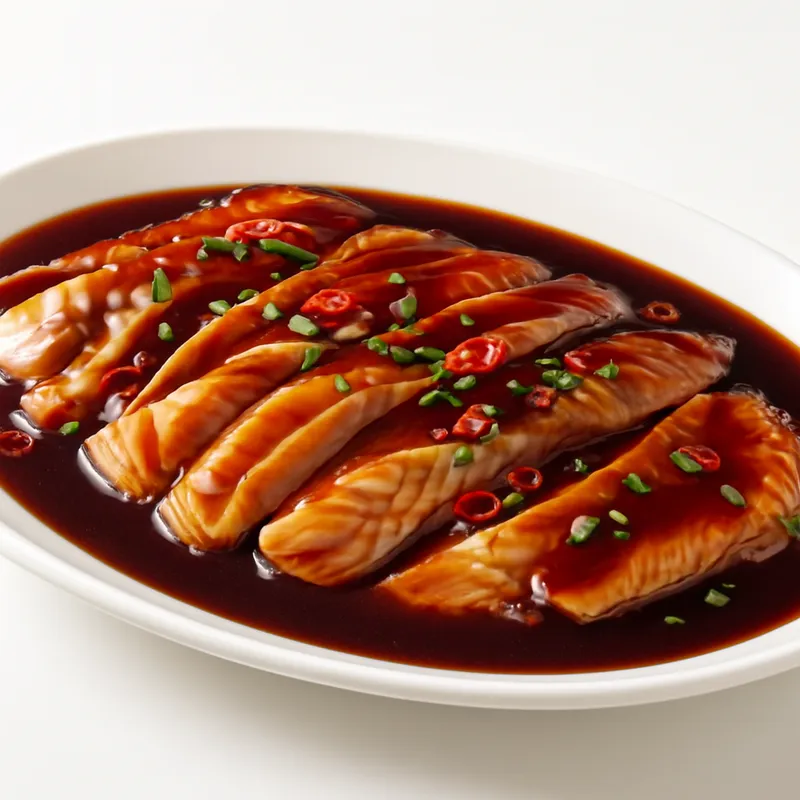
Wuhan Sanxian Doupi: a crisp mung-bean flour shell over savory pork, shiitake, and glutinous rice — crisp against soft.





Perfected and standardized at Lao Tongcheng in Wuhan by master cook Gao Jin'an, who turned a plain doupi into the savory three-ingredient version (the restaurant itself was founded in 1929; doupi-making began there in the early 1930s). Doupi itself (a pan-cooked mung bean skin filled with sticky rice) was an older Hubei farmer breakfast; Lao Tongcheng's contribution was scaling it into a single round skillet the size of a wagon wheel and standardizing the three-ingredient (三鲜) topping. Mao Zedong visited Lao Tongcheng twice in 1958 to eat it, praising it as a Hubei flavor worth preserving and the dish entered Wuhan's official restaurant canon.
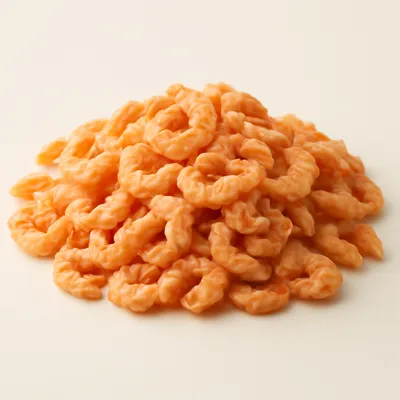
Lao Tongcheng restaurant, Wuhan, around 1929 — scaled an older Hubei farmer breakfast (mung-bean-skin wrapping sticky rice) into a wagon-wheel skillet and standardized the 三鲜 topping (pork, shiitake, bamboo, dried shrimp). Mao ate one there in 1958. Skin batter must be mung bean plus a smaller share of rice flour; pure mung tears, pure rice goes leathery.
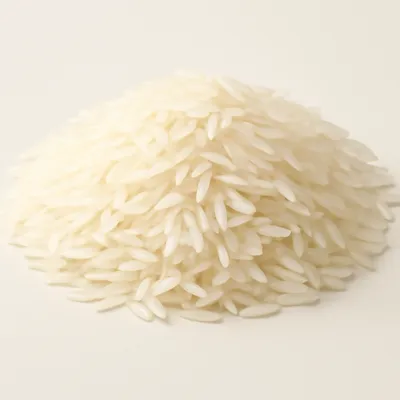
A skillet-sized rectangle: thin mung-bean-and-rice flour skin pressed crisp on one side, glutinous rice packed in a layer above, studded with diced pork, mushroom, and shrimp (Lao Tongcheng's classic 三鲜; many stalls instead use pork, shiitake, and bamboo shoot). Cut into squares and served with the crisp side up. The skin should crackle audibly; if it bends without breaking, the pan wasn't hot enough or the skin was too thick.
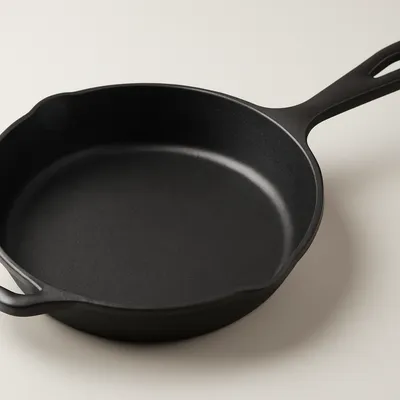
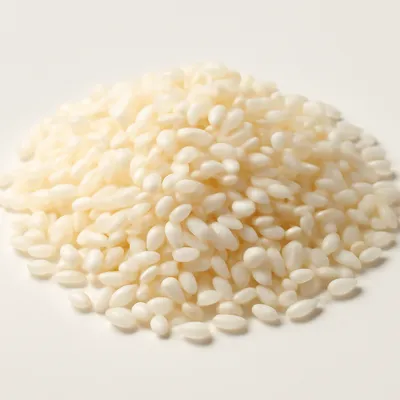
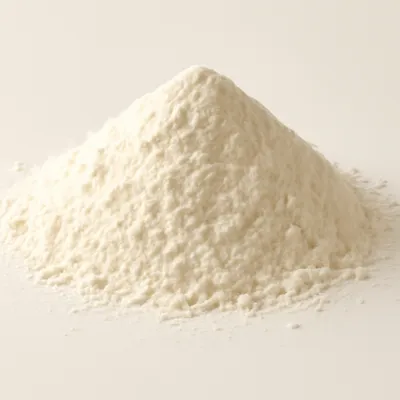
The skin batter has to be mung bean plus a larger share of rice (and a little glutinous rice), bound with egg — pure mung bean tears under the weight of the rice, pure rice flour goes leathery instead of crisp. Old-school cooks press the skin in a heavy iron pan with a lard-rubbed cloth, flipping the entire skillet contents as one piece — which is why home versions almost always fall apart at the flip.
Variations
Lao Tongcheng's flagship branch keeps the wagon-wheel pan flip; Wuhan University-area stalls run smaller individual portions and skip the dried shrimp; Wuchang-side breakfast carts add salted duck egg yolk; Xiantao country versions use lard-rubbed cloth and an iron press, the way old kitchens did before the gas wok.
On the Palate
Where Wuhan Sanxian Doupi sits in the Chinese flavor cloud
Ingredients


How it's made
5 steps · 1 hour
- 113 min
Prepare a batter with mung bean flour and water.
Watch outThe batter should ribbon off the ladle in a thin unbroken stream — pure mung bean tears under the rice, so it needs the rice-and-egg to bind or the skin cracks.
- 213 min
Spread the batter thinly on a hot pan to create a crispy shell.
Watch outSpread it thin and even on a hot lard-rubbed pan — thick spots stay gummy while thin spots crisp, and the whole skin has to lift as one piece.
- 38 min
Mix cooked pork, shiitake, and glutinous rice with soy sauce and scallions.
- 413 min
Place the filling on the shell and fold it over.
- 513 min
Cook until the shell is crispy and the filling is heated through.
Watch outWatch for the underside going crisp and golden before you flip — flip while it's still soft and the whole skin falls apart at the turn.
Archive tool suggestions — not reviewed
These legacy suggestions have not been evidence-reviewed and are not presented as required tools.