Vínarterta — 'Vienna cake' — is Iceland's celebration layer cake: thin, cardamom-scented shortbread layers alternating with a thick prune filling, stacked into a tall torte. Originating in 19th-century Iceland, it became the signature cake of Icelandic-Canadian immigrants and remains a deep Christmas and wedding tradition in both Iceland and the diaspora.



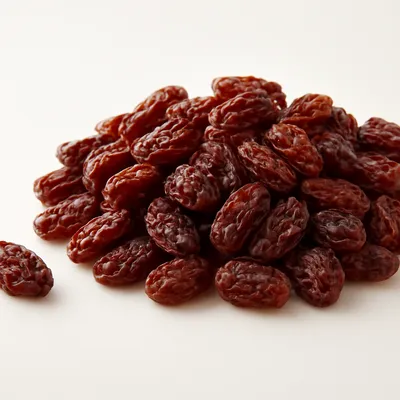

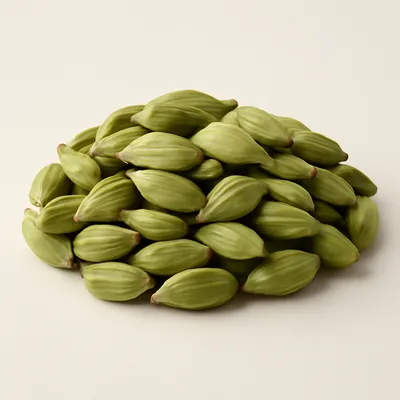
Vínarterta (also Randalín, meaning 'striped lady') is a layered cake originating in 19th-century Iceland, with recipes dating back to at least the 1870s. The name means 'Vienna cake', reflecting the Austro-Hungarian baking influence that reached Iceland through Danish connections. The cake is built from thin, cardamom-scented shortbread layers, each baked separately, then stacked with a thick filling made from cooked prunes and sugar. It became the signature cake of the Icelandic diaspora in Canada (especially Gimli, Manitoba), where it remains a deeper tradition than in modern Iceland itself — Martha Stewart confirmed it 'was not invented in Gimli' but brought there by Icelandic immigrants. It is a Christmas and wedding cake.
A slice of tall, striped cake — pale layers of cardamom shortbread, dark layers of prune filling, visible at the cut edge. The shortbread is buttery and crumbly; the prune filling is sweet, dense, slightly tart. The cardamom is the unmistakable note. Eat it with coffee, at Christmas, the way the diaspora has for 150 years.
The layers are the technical challenge: each must be rolled paper-thin and baked separately (5-7 minutes each), then cooled. The prune filling is made by cooking prunes soft, mashing them, and cooking with sugar to a thick paste — it must be thick enough not to soak through the layers. The cake is assembled (layer, filling, layer, filling...) and rested at least 24 hours before cutting, so the layers soften slightly and the flavors marry. The cardamom in the dough is the Icelandic-Scandinavian signature.
Variations
Some use apricot filling instead of prune; some add almond extract; some add more cardamom; the layer count varies (5-7 is typical).
On the Palate
Where Vínarterta sits in the Icelandic flavor cloud
Ingredients
Serves 12How it's made
8 steps · 1 hour 30 min active + 1 hour 30 min waiting
- 160 min
Make dough: rub 300 g flour, 200 g butter, 150 g sugar, 1 tsp cardamom, 1 tsp baking powder to crumbs; bind with 1 egg and 2 tbsp milk; rest 1 hour.
- 225 min
Make filling: simmer 400 g prunes in water 20 minutes until very soft; drain; pit; mash; cook with 100 g sugar and 1 tsp vanilla to a thick paste; cool.
Watch outCook the prune filling down to a thick, stiff paste that holds its shape — too loose and it soaks through and the whole cake goes soggy.
- 35 min
Divide the dough into 6 equal pieces.
- 436 min
Roll each piece to a 20-cm round, paper-thin; bake each at 200°C for 6 minutes until pale gold.
Watch outRoll each layer paper-thin and bake only to pale gold — over-brown and they turn hard and brittle instead of softening to bite after resting.
- 530 min
Cool the layers completely.
- 68 min
Assemble: layer, prune filling, layer, filling, ending with a layer on top.
- 71440 min
Wrap; rest 24 hours in a cool place.
Watch outRest the assembled cake a full day so the layers drink moisture from the filling and soften — cut it fresh and the layers are still dry and crack.
- 82 min
Slice into thin wedges; serve with coffee.
Archive tool suggestions — not reviewed
These legacy suggestions have not been evidence-reviewed and are not presented as required tools.


