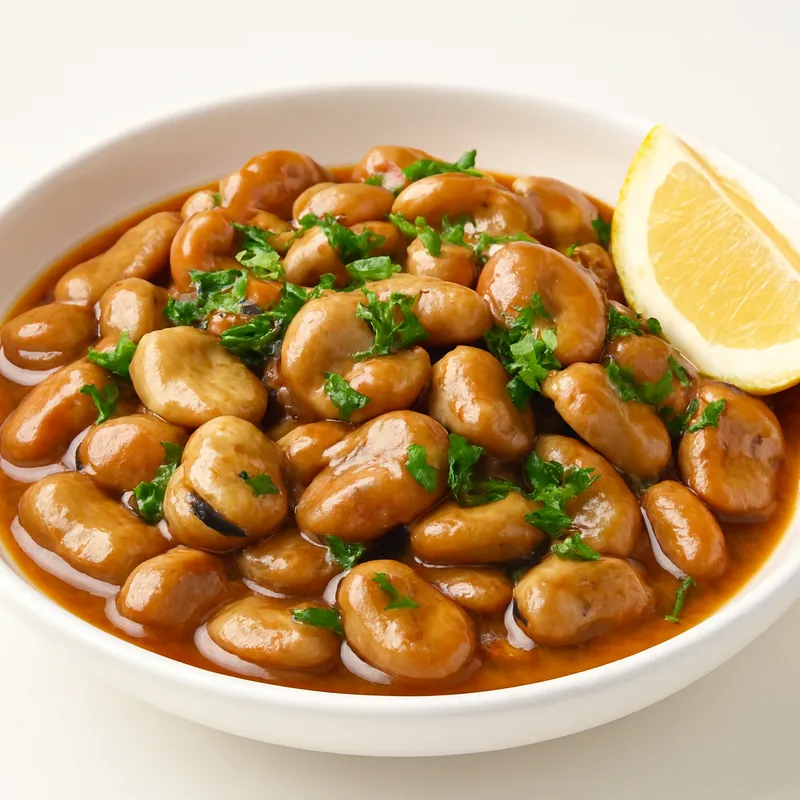
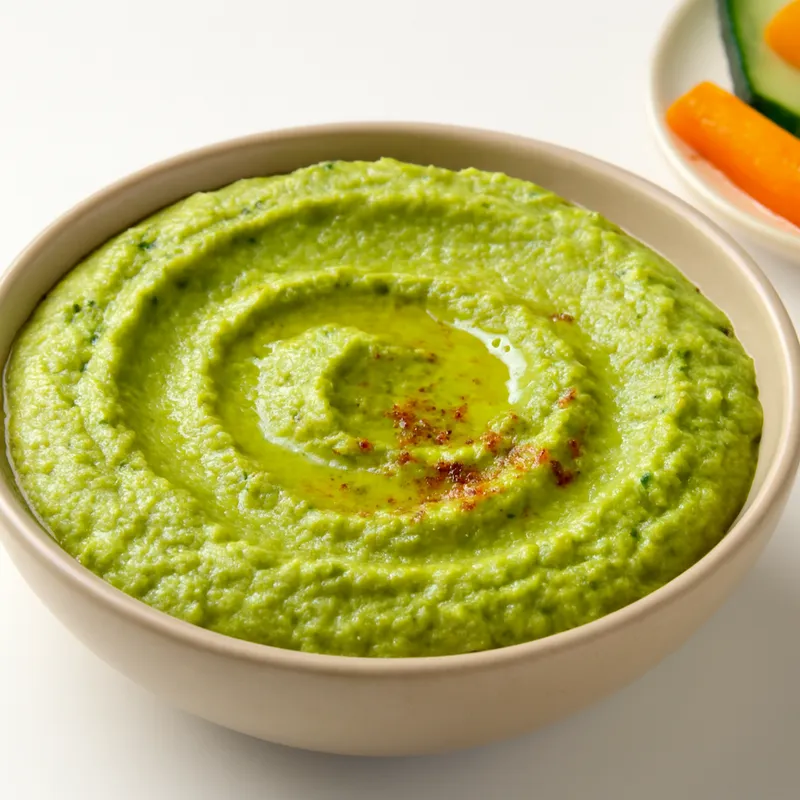
Egyptian dry dip — toasted hazelnuts, sesame, coriander, cumin coarsely crushed. Eaten by dipping bread in olive oil first, then into the dry mix.



From Arabic daqqa, 'to pound.' Cairo street vendors sold it from cones of newspaper through the 20th century. Australian chef Greg Malouf's 1990s Melbourne menus pushed dukkah onto Western restaurant tables; now it's a Whole Foods staple.
Hazelnut is the Cairo default but coastal Alexandria versions use chickpea — toasted nokhud was cheaper, and the Greek-Egyptian community in Alex made it the local norm through the 1950s. Claudia Roden's 1968 A Book of Middle Eastern Food was the first English-language record.
Dry, crumbly, sandy — never paste. Hazelnut sweetness front, toasted coriander floral, cumin-earth back. Salt grain visible. The bread-oil-dukkah ritual is what locks it in: oil makes the dust stick, bread carries it.
Toast each component separately — nuts and seeds toast at different speeds. Coriander seed and cumin must crackle and smell warm before crushing; under-toasted dukkah tastes raw. Pound, don't blend: blender heat releases nut oil and turns the mix into paste.
Variations
Cairene hazelnut classic vs. Alexandrian chickpea-based vs. modern Australian (pistachio + fennel, popularized at Melbourne's MoVida and the Maggie Beer line). Some Upper Egypt versions add dried mint; almost no two family recipes match exactly.
On the Palate
Where Dukkah sits in the Egyptian flavor cloud
Ingredients
Serves 6How it's made
4 steps · 6 min active + 17 min waiting
- 112 min
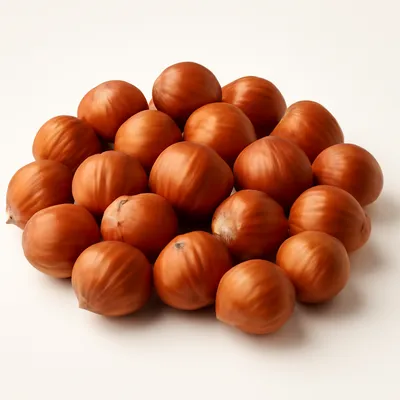
Toast 100 g hazelnuts in 180 °C oven 10 min; rub off skins in cloth.
Watch outToast the hazelnuts until the skins loosen and the nuts smell deeply toasty, then rub them off in a cloth — leftover skins turn the dukkah bitter.
- 25 min
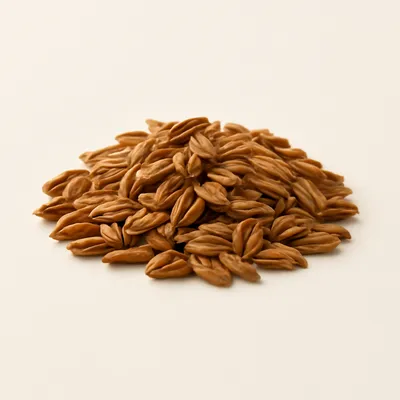
Toast 50 g sesame seeds + 2 tbsp coriander seeds + 1 tbsp cumin seeds in dry pan until fragrant.
Watch outToast the coriander and cumin until they crackle and smell warm and nutty — stop while pale and the dukkah tastes raw and dusty.
- 35 min
Coarsely crush all in mortar with 1 tsp salt + 1/2 tsp black pepper.
Watch outPound in a mortar, don't blend — a blender's heat squeezes oil from the nuts and turns the mix into a paste instead of a dry, loose crumble.
- 41 min
Serve in small bowl alongside olive oil; dip bread in oil then in dukkah.