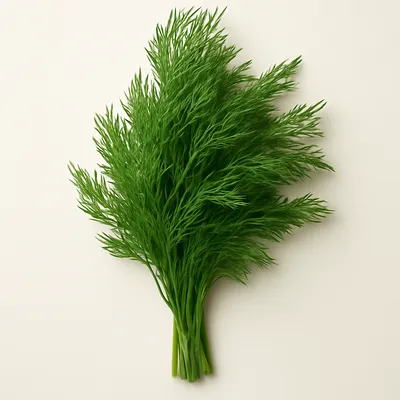
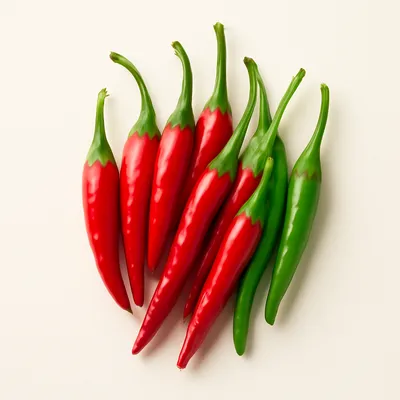
Steamed fish in banana leaf with dill, kaffir lime, lemongrass, chili. The Lao package-cooking canon.
Mekong fishing villages — wrap-and-steam is the standard preservation-and-cooking move where pots are scarce and leaves are free. Mok (to wrap-steam) covers a family of dishes: mok pa, mok gai, mok khai, mok hua (brain), one technique many fillings.
Khaiphaen Restaurant in Luang Prabang (TripAdvisor-rated, Tree Alliance training kitchen, opened 2014) uses Mekong padek and locally-pounded khao khua in its mok pa — the recipe was documented in a 2018 Bangkok Post profile by Karen Coates.
Open the green leaf parcel and steam rises smelling of dill and crushed lime leaf. Inside, flaked white river fish bound loosely with sticky-rice flour, studded with whole bird's-eye chilies and pearl onions. Soft, custardy at the base, drier where it touched the leaf.
Banana leaf must be passed over open flame to wilt before folding — raw leaf cracks at the crease and leaks. A teaspoon of sticky-rice flour per parcel sets the juices into a soft custard; without it, the package is a watery mess.
Variations
Mok pa (river catfish or snakehead); mok kai (whole egg, dill, scallion, a common breakfast); mok ped (duck, for festivals and special occasions); a brain-filled version is also made, prized for its silky richness and eaten with sticky rice.
On the Palate
Where Mok Pa sits in the Lao flavor cloud
Ingredients
Serves 4




How it's made
4 steps · 21 min active + 25 min waiting
- 16 min
Pound 4 lemongrass + 6 kaffir lime leaves + 4 chilies + 1 tbsp dill seeds in mortar.
Watch outPound the lemongrass, lime leaves and chilies to a fine fragrant paste — leave it coarse and stringy and the fibers catch unpleasantly in the finished parcel.
- 25 min
Mix paste with 500 g cubed fish + 1 tbsp fish sauce + 1 egg.
- 310 min
Wrap mixture in banana leaves; tie with string.
Watch outPass the banana leaf over the flame until it turns glossy and pliable before folding — a raw stiff leaf cracks at the crease and leaks the juices out.
- 425 min
Steam over boiling water 25 min until fish is cooked through.
Watch outSteam 25 minutes until the fish is set and opaque and the parcel juices have thickened to a soft custard, not a watery pool.
Archive tool suggestions — not reviewed
These legacy suggestions have not been evidence-reviewed and are not presented as required tools.