Luang Prabang stew with sa-kaan vine wood, eggplant, dill, water buffalo. The wood's tongue-numbing tingle defines the bowl.



A forest-to-table stew from the hill-village cookery of the Lao Theung and Khmu peoples around Luang Prabang, later taken into the royal Luang Prabang court (whose original recipe used deer/venison). Its defining ingredient is sa-kaan (Piper ribesioides), a peppery, mouth-numbing woody vine split and stewed; because sa-kaan supplied the dish's heat before chilies arrived from the Americas, or lam is thought to predate the 1600s, with chili later added alongside the vine. Sa-kaan is not unique to Luang Prabang — it is forest-foraged across the northern Lao hills and as far south as the Bolaven Plateau.
Tamarind Restaurant in Luang Prabang (Sakkaline Road, opened 2004) trains cooks to test sa-kaan by chewing the cut edge — proper wood numbs within 10 seconds. Stale wood is gritty and dead; throw it out, vine has a one-year shelf life.
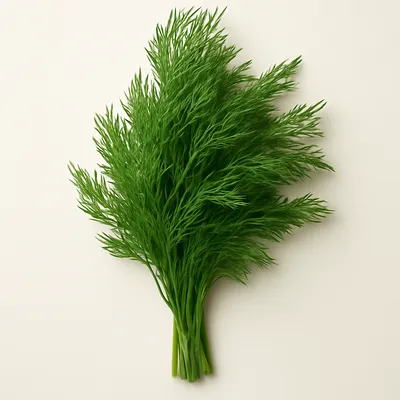
Olive-brown stew, chunks of buffalo, soft Thai eggplant, slivers of split black-bark wood floating. First bite earthy and bitter, then a slow lip-tingle from the wood's piperine, dill perfume on the steam. Thick enough to coat sticky rice without dripping.
Sa-kaan wood is the load-bearing element — a Piper species (same genus as black pepper), its bark holds piperine and several pungent piperamides that give the heat and the tongue-tingle (a different numbing chemistry from Sichuan peppercorn's hydroxy-alpha-sanshool). Dry-roast the split wood a few minutes before adding, or the pungent compounds stay locked in the cellulose and the broth comes out flat.
Variations
The royal Luang Prabang version originally used deer (venison); everyday or lam neua kwai uses water buffalo or beef (often with offal and jerky); or lam gai uses chicken for a quicker, guest-friendly bowl; or lam pa uses Mekong river fish in the dry season when buffalo is scarce. Khmu households favor cold-season foraged sa-kaan for a stronger numb.
On the Palate
Where Or Lam sits in the Lao flavor cloud
Sa-kaan wood is the load-bearing element — a pepper-family vine whose bark holds the piperine that gives the heat and tongue-tingle, but you must dry-roast the split wood before adding or the compounds stay locked in the cellulose and the broth comes out flat.
Ingredients
Serves 6


How it's made
4 steps · 8 min active + 1 hour 15 min waiting
- 130 min
Char-grill 500 g water buffalo or beef; cool, chop fine.
Watch outChar the meat over real fire until the edges blacken; the smoke is half the flavour before it ever hits the pot.
- 25 min
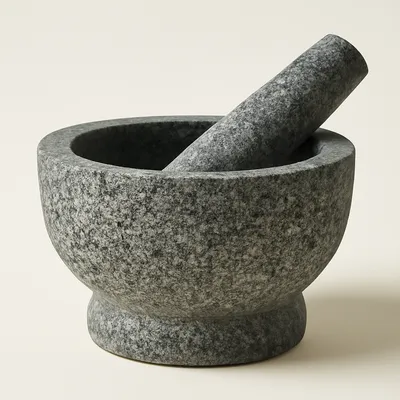
Pound sa-kaan vine wood pieces in mortar to extract numbing oils.
Watch outPound the split wood hard in the mortar to bruise out the peppery, numbing oils.
- 345 min
Combine chopped meat + sa-kaan + eggplant chunks + dill + 1 L stock; simmer 45 min.
Watch outHold a gentle simmer the full forty-five minutes so the wood infuses the broth without boiling it flat.
- 43 min
Season with fish sauce; serve over sticky rice.
Archive tool suggestions — not reviewed
These legacy suggestions have not been evidence-reviewed and are not presented as required tools.