
Puerto Rico's Christmas labor of love — grated green banana and root-vegetable masa wrapped around pork-and-sofrito filling in banana leaves, tied with string and boiled until silky-firm.
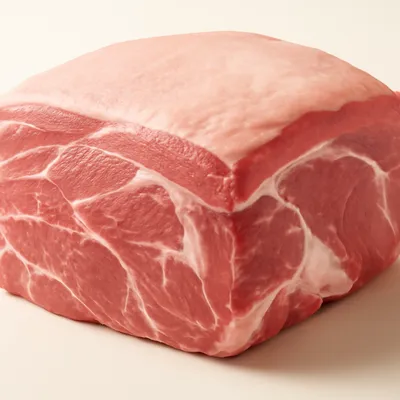

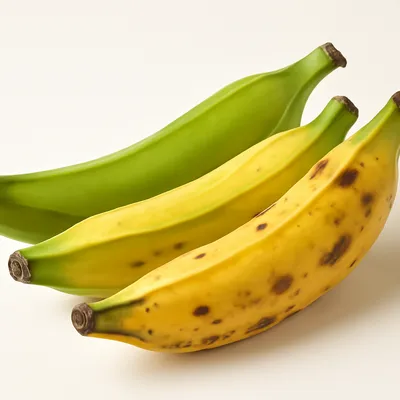



Pasteles are Puerto Rico's labor-intensive Christmas dish, with roots reaching back some 400 years — every household spends days in early December making them in batches of 30-50 to freeze and serve through January. They emerged from a fusion of three traditions: the Taíno indigenous people, who made a masa from grated cassava, yautía and squash wrapped in plant leaves and boiled; Spanish colonists, who anchored the filling in pork along with olives, capers, garlic and olive oil; and enslaved Africans, who contributed bold meat seasoning and a command of plantains and root vegetables. The whole extended family hand-grates green bananas, yautía and other roots in an assembly line. Each pastele takes about 5 minutes to wrap; a hundred is a day's work.
Unwrap the steaming-hot pastele on the plate: the masa is firm-yellow, infused with annatto, slightly sweet from the plantain and pumpkin. Cut down through it — the pork filling at center is dark, raisin-and-olive-studded, salty-sweet. The masa's softness against the pork's chunkiness, with the lingering banana-leaf perfume around everything, is Christmas in Puerto Rico.
Green bananas and plantains are high-starch low-sugar — they grate to a paste that's structurally similar to masa harina but with banana-specific flavor compounds. Annatto oil dyes the masa yellow and adds a slight earthy-pepper note. Banana leaves seal in steam during the 45-min boil, but also impart a subtle grassy aroma to the masa surface — an irreplaceable component.
Variations
Standard Puerto Rican pastele uses pork; chicken pasteles are slightly lighter; vegetarian pasteles use chickpeas; pasteles in oil (de aceite) skip the pork and use only oil-based filling — purist Christmas version is always pork.
On the Palate
Where Pasteles sits in the Puerto Rican flavor cloud
Ingredients
Serves 12





How it's made
5 steps · 2 hours 30 min active + 1 hour 30 min waiting
- 198 min
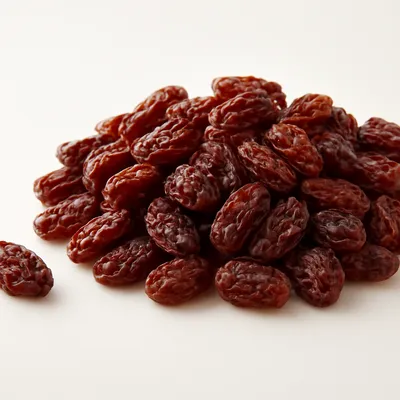
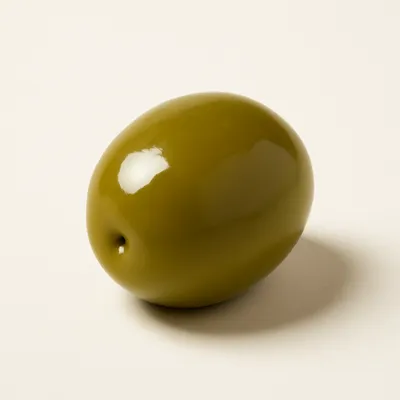
Make filling: in a pot, sauté 100g salt pork until rendered. Add 1kg cubed pork shoulder, 80g sofrito, 1 packet sazón, 2 tbsp tomato paste, 1 tbsp annatto oil, 1 tsp pepper, 50g raisins, 50g green olives, 2 bay leaves. Cover with 500ml water; simmer 1.5 hours until pork is tender and sauce reduced. Cool.
Watch outSimmer the filling until the pork is tender and the sauce is thick, not watery — loose filling will leak out through the folds when boiling.
- 235 min
Make masa: grate 8 green bananas, 1 yautía blanca (or 1 large potato), 1 small pumpkin (1kg), 1 plantain (very green) — finest holes of grater (use food processor on slow-pulse if available). Should yield about 1.5kg masa. Stir in 200ml annatto oil, 1 tsp salt, 250ml milk.
Watch outGrate the green bananas on the finest holes to a smooth paste — any lumps and the masa won't set into a firm, sliceable block.
- 38 min
Prepare banana leaves: cut into 25×30cm rectangles. Pass each over a gas flame for 3 sec per side until shiny — this softens them. Keep covered with a damp towel.
Watch outPass each leaf over the flame just until it turns shiny and supple — that softens it to fold without splitting; overdo it and it scorches through.
- 415 min
Assemble each pastele: drizzle 1 tsp annatto oil on a banana leaf. Spread 4 tbsp masa into a 12cm rectangle, 1cm thick. Spoon 3 tbsp filling lengthwise down the center. Fold long sides over to cover filling. Fold short ends in. Wrap in second leaf if any tears. Tie with kitchen string in a cross pattern, double knot.
- 560 min
Boil tied pasteles in salted water in batches, fully submerged, 45 min. Drain, cool 10 min. To serve: cut string, unwrap leaves on the plate — the pastele inside is firm yellow with the pork filling visible at center.
Watch outKeep them fully under the water the whole 45 minutes — any part that pokes above the surface stays raw and pasty inside.
Archive tool suggestions — not reviewed
These legacy suggestions have not been evidence-reviewed and are not presented as required tools.



