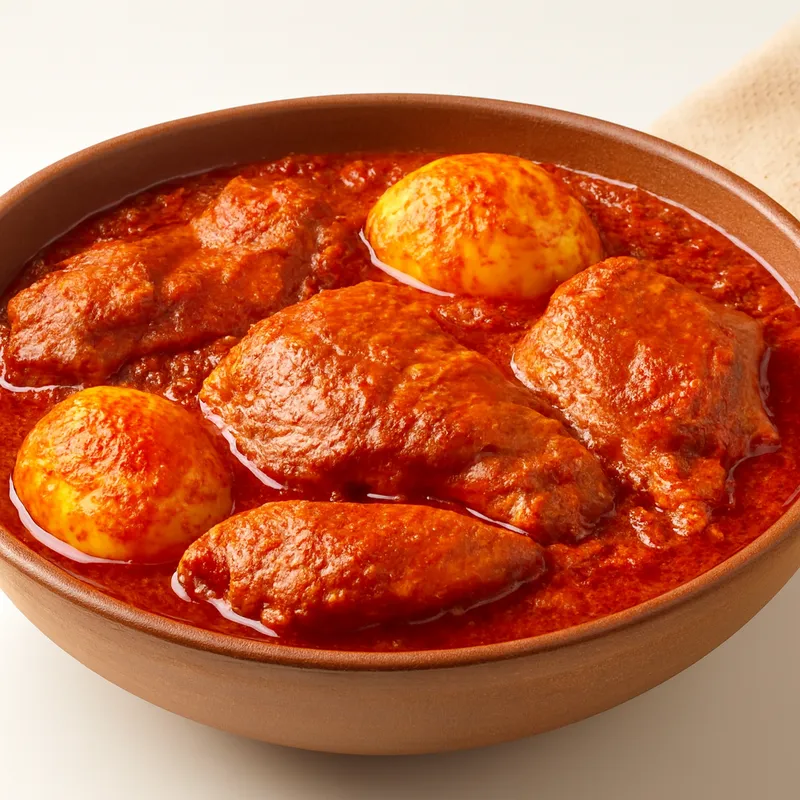
Roasted barley flour (besso) kneaded with ample niter kibbeh spiced butter, ginger, onion and salt into a chewy, savory mass — an Oromo highland staple, especially in the Arsi zone. Traditionally a butter-preserved travel and ceremonial food that keeps for up to a year; optionally moistened or paired with yogurt, milk or honey.





Built around the dairy and barley of the Oromo cattle-herding highlands; barley reached Ethiopia some 5,000 years ago. Husked barley is roasted, pounded to flour, and worked with clarified spiced butter — traditionally by women — into a keepable provision. Long shelf life made it food for travelers, students and campaigns, while its richness made it a ceremonial gift: served at weddings (the bride's family offers it to the groom's best men), blessings, holidays, and to postnatal women. Sources are sparse, so details vary.
Roasted-barley aroma and a nutty richness; the butter coats the flour into a dense, chewy mass spiked with ginger, onion and salt. Eaten with yogurt it loosens into a soft paste whose sourness cuts the butter — savory and tangy at once; with honey or milk it turns gently sweet.
Chukko keeps because of roasting plus fat: roasting drives off moisture and toasts the starch, then ample butter coats each grain of flour, sealing out air and damp so the mass stores for nearly a year. Spices steeped in the butter add aroma and some preservative effect. Stirred later into yogurt or milk, the dry roasted flour reabsorbs liquid and softens into a thick, spoonable paste.
Variations
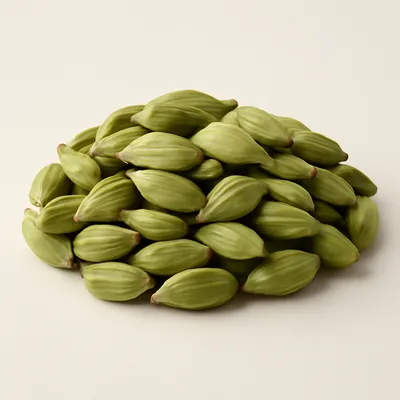
The core form is a butter-bound roasted-barley preserve, eaten dry or carried on journeys; for a softer dish it is mixed with yogurt, milk or honey. Barley dominates, though some households blend in other grains, and the spicing (cardamom, fenugreek beyond the basic ginger-onion-salt) varies by family. A related Oromo barley food is genfo, a hot cooked porridge of the same flour.
On the Palate
Where Chukko sits in the Ethiopian flavor cloud
Ingredients
Serves 4How it's made
4 steps · 20 min active + 15 min waiting
- 18 min
Dry-roast 200 g barley flour in pan 8 min stirring until nutty and pale tan.
Watch outPull the flour off the heat the moment it smells nutty and turns pale tan — past that it scorches and goes bitter.
- 25 min
Whisk roasted flour with 400 ml plain yogurt and 200 ml water to smooth porridge consistency.
- 35 min
Warm gently 5 min on low; do not boil (yogurt will split).
Watch outKeep it just steaming, never bubbling — the second the yogurt boils it curdles and grains out.
- 42 min
Spoon into bowls; pour 2 tbsp warm niter kibbeh (spiced clarified butter) over each.
Archive tool suggestions — not reviewed
These legacy suggestions have not been evidence-reviewed and are not presented as required tools.