
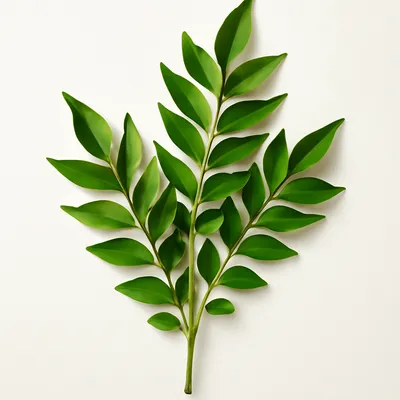
Maldivian curry built on rihaakuru — a thick, intensely savory tuna paste made not by fermentation but by reducing tuna broth (the leftover liquid from making garudhiya, with bone scraps) over low heat for hours until it concentrates into a brown paste. Onion, garlic, ginger, and chili are cooked in coconut oil, then rihaakuru is stirred in to thicken, plus coconut milk, vegetables (often pumpkin, eggplant, or breadfruit), and curry leaves. Pungent, deeply umami, served over rice.




While garudhiya is the everyday clear broth, rihaakuru-based curries are the everyday rich curries that dominate Maldivian home cooking once a family has made the season's batch of rihaakuru paste. Despite being widely described as 'fermented,' rihaakuru is actually made by long reduction: after garudhiya is made and the cooked tuna is removed to be dried, the remaining broth and bone scraps are simmered for hours until the water evaporates into a thick brown paste (slightly acidic, pH ~5.6-6.2, roughly 58% protein and rich in omega-3). It provides the umami currency that other South Asian cuisines achieve with fish sauce or shrimp paste.
Spoon up rihaakuru curry over rice — deep ochre sauce, pumpkin chunks soft and orange in the mix, curry-leaf flecks bobbing. Bite: the sauce hits with a complex umami punch — fermented-tuna depth, coconut-milk creaminess, the turmeric earthy-warm, chili-leaf citrus, slow-building heat. The pumpkin is melted-tender, its sweetness contrasting the savory base. The rice catches the sauce in its grains. Profoundly satisfying. With a side dish of fresh raw vegetables (cucumber, raw chili), this is the Maldivian weeknight dinner.
Cooking the aromatics in coconut oil (not vegetable oil) layers in subtle coconut depth that complements the rihaakuru's concentrated fish funk. Dissolving the rihaakuru paste into the wet aromatics before adding coconut milk prevents lumps. The paste is salty and intensely concentrated (it is reduced tuna broth, not a fermented sauce); recipes use less than you'd expect — about 4 tbsp seasons a family-size pot. Simmering the vegetable in the rihaakuru-coconut sauce allows it to absorb the umami while contributing its own sweetness.
Variations
Rihaakuru curry with breadfruit (bambukeylu hithi). With drumstick vegetable. With pumpkin (most common). With eggplant. With banana stem (rural traditional). With smoked tuna chunks added.
On the Palate
Where Rihaakuru Curry sits in the Maldivian flavor cloud
Ingredients
Serves 4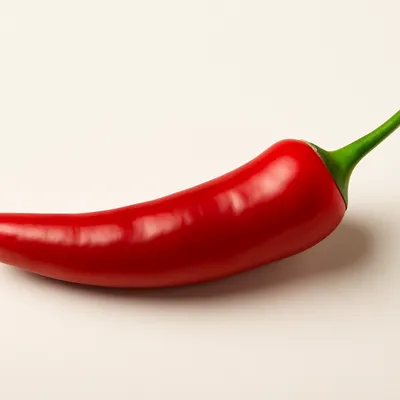




How it's made
10 steps · 25 min active + 15 min waiting
- 14 min
Cube 400 g pumpkin (or breadfruit, or eggplant) into 3-cm pieces.
- 21 min
Heat 3 tbsp coconut oil in a wide heavy pan over medium heat.
- 35 min
Add 1 sliced onion, 4 minced garlic cloves, 1 tbsp grated ginger, 2 slit green chilies, 8-10 curry leaves. Cook 5 min until softened and fragrant.
Watch outCook the onion, garlic, ginger, chilies, and curry leaves in the coconut oil until soft and fragrant before any spice.
- 41 min
Add 1 tsp turmeric and 1 tsp red chili powder; cook 30 sec.
- 52 min
Add 4 tbsp rihaakuru paste (substitute: 3 tbsp tomato paste + 1 tbsp fish sauce + 1 tbsp anchovy paste). Stir to dissolve.
Watch outStir the paste until it fully dissolves into the aromatics with no visible lumps before adding liquid.
- 63 min
Add 250 ml coconut milk and 250 ml water. Bring to a simmer.
- 717 min
Add the pumpkin cubes; simmer 15-18 min until pumpkin is fork-tender and the sauce has thickened.
Watch outSimmer until the pumpkin is fork-tender and the sauce has thickened enough to coat it.
- 81 min
Taste; adjust salt (rihaakuru is already salty; substitute version may need 1/2 tsp).
- 91 min
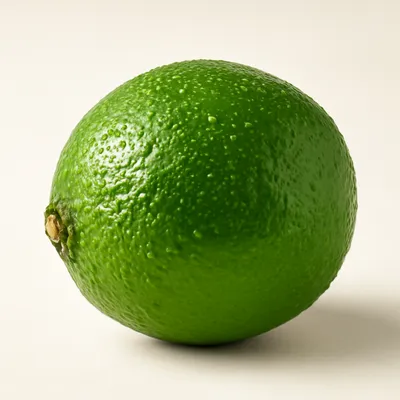
Stir in 2 tbsp chopped cilantro and squeeze 1/2 lime.
- 101 min
Serve hot over steamed rice with sliced lime, fresh chili, and a sprinkle of coconut on the side.


