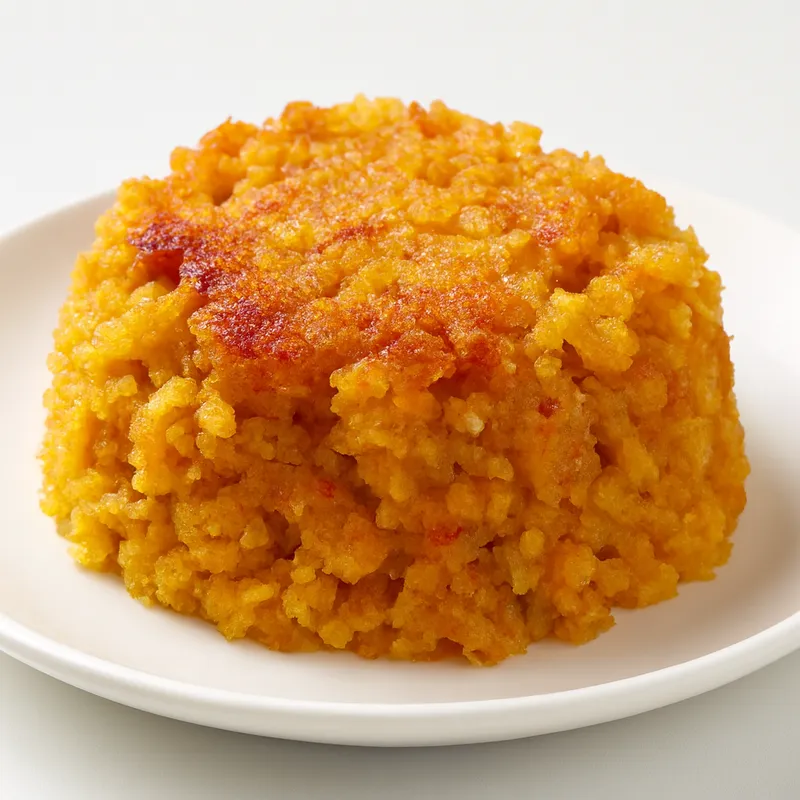





A peasant dish from the Alentejo plains of southern Portugal, where wheat and pork were the two reliable staples and bread was never thrown out. Documented in regional cookbooks by the 18th century but almost certainly older — every Iberian bread-eating culture has its migas variant (Spain's are looser, scrambled rather than pressed). The dish exists because firm Alentejo wheat bread, going stale, becomes structurally perfect for compression in fat.
Documented in 18th-c. Alentejo cookbooks but older; the dish exists because firm Alentejo wheat bread, going stale, compresses perfectly in fat. Pão alentejano is non-negotiable—sliced bread won't compress, ciabatta turns to mush. Rendered pork lard binds; olive oil alone gives a greasy crumb.
Day-old bread torn into chunks, soaked briefly in hot water, then pressed into a skillet with garlic, paprika, olive oil, and rendered pork fat until it forms one dense, golden patty — folded over itself like an omelet. Served with grilled pork loin or chunks of fried pork belly (carne de porco frito) on the side. The crust should crackle; the inside stays soft and oily.
The bread must be alentejano — a coarse, dense, low-hydration country loaf. Supermarket sliced bread won't compress; ciabatta turns to mush. The pork fat is load-bearing too: olive oil alone gives a greasy crumb, but rendered lard from the pork that accompanies the dish binds the bread into a sliceable patty. The skillet is shaken, not stirred, until the underside crusts.
Variations
Alentejo migas use bread compressed into a folded patty; Spanish migas extremeñas (across the border) keep the bread loose and scrambled; Castilian migas del pastor add chorizo and grapes; migas de batata-doce swap bread for sweet potato in Madeira and the Açores.
On the Palate
Where Migas Alentejanas sits in the Portuguese flavor cloud
Ingredients



How it's made
5 steps · 1 hour
- 127 min
Sauté garlic in olive oil until fragrant.
- 210 min
Add crumbled bread and stir to soak up the oil.
Watch outAdd the crumbled dense country bread and let it drink the oil and pork fat evenly — dry patches won't bind, and soft sliced bread just turns to mush here.
- 37 min
Season with paprika and bay leaf, stirring until bread is toasted.
Watch outShake the skillet, don't stir, until the underside sets into a golden crust — that crust is what lets the migas hold together as a sliceable patty.
- 410 min
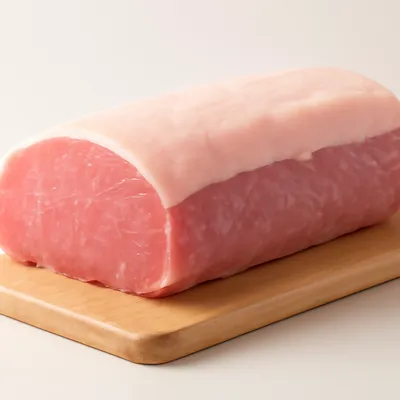
Stir in cooked pork, incorporating evenly.
Watch outFold the cooked pork through evenly so its rendered fat coats the crumb — that lard is the glue; oil alone leaves it greasy and loose.
- 57 min
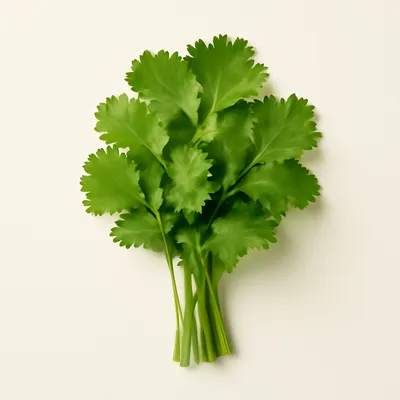
Garnish with chopped cilantro before serving.
Archive tool suggestions — not reviewed
These legacy suggestions have not been evidence-reviewed and are not presented as required tools.



