A Guangxi icon built on ferocious wok heat and same-day freshness. Seven cuts of beef offal — tripe, omasum, large intestine, yellow throat, tendon, honeycomb stomach, and brisket — hit scalding oil for a furious 90-second toss that locks in snap and juice. Sour bamboo shoots cut the fat; fresh peas soak up the dark sauce. The result is smoky, savoury, and irreducibly Yulin.
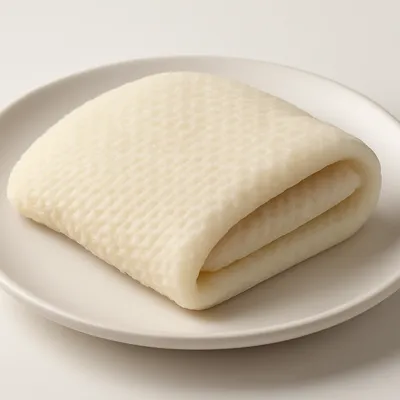



Yulin's affinity for beef traces to the Tang dynasty Records of the Regions South of the Passes (Lingbiao Lüyi), in which Liu Xun noted that the people of Rongnan — the old name for the Yulin basin — prized water buffalo above all meats, roasting or braising an entire animal for feasts. The Song dynasty Taiping Yulan echoed this, recording that military banquets in the region always opened with buffalo. Through the centuries, Yulin's night-market culture kept the tradition alive, evolving towards the fierce-wok fresh-offal style. In 2024 the dish entered the Guangxi Cuisine Ten Famous Dishes list.
Snappy omasum, yielding tendon, and lightly charred intestine in one mouthful — underlaid by the bright tang of sour bamboo shoots and a dark, savoury wok sauce that clings without cloying.
The wok is heated until the oil just begins to smoke (approximately 230°C), triggering rapid Maillard browning on the offal surface within 30 seconds. This extreme heat dehydrates the exterior rapidly while the interior stays moist. Collagen-rich tendon and yellow throat partially convert to gelatin at high temperature, yielding a slippery-chewy contrast alongside the snap of omasum. Sour bamboo shoots, fermented to accumulate lactic and acetic acids, suppress the perception of residual off-flavours in the fat. Fresh peas supply neutral starch that absorbs and tempers the intense sauce.
Variations
Some stalls add beef tendon balls (a Hakka influence) or serve the offal over rice noodles. A dry-toss version (干炒) reduces the sauce for a smokier, more concentrated flavour. Yulin night markets also offer a slow-braised version (卤牛杂) using the same cuts simmered in master stock, providing a gentle counterpoint to the fierce stir-fry.
On the Palate
Where Yulin Stir-Fried Beef Offal sits in the Chinese flavor cloud
Ingredients
Serves 4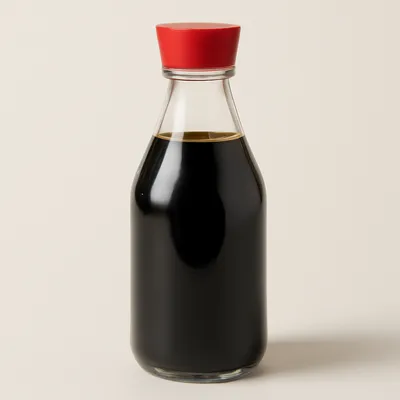
How it's made
8 steps · 45 min
- 120 min
Wash all offal under cold running water; scrub intestines inside and out with coarse salt and flour to remove slime and residue; rinse thoroughly until water runs clear.
- 25 min
Bring a pot of water to a rolling boil with ginger slices and scallion knots; blanch all offal for 5 minutes; drain and cool until handleable.
- 38 min
Slice blanched offal into uniform bite-sized pieces: omasum into strips, large intestine into rings, tendon and yellow throat into 3 cm chunks, tripe into squares.
- 42 min
Rinse sour bamboo shoots and drain well; shell fresh peas; mix soy sauce, oyster sauce, dark soy, and a pinch of sugar in a small bowl.
- 52 min
Place wok over maximum heat; heat until just smoking; add oil and wait until the surface shimmers and thin wisps of smoke rise (approximately 230°C, eight-tenths heat).
Watch outHeat the wok until the oil just wisps smoke, around 230°C — a cool wok steams the offal grey instead of searing it fragrant.
- 62 min
Add all offal at once; stir-fry furiously with constant tossing for 90 seconds — do not let any piece rest; this stage should feel almost violent.
Watch outStir-fry furiously, never letting a piece rest — this fast, near-violent tossing browns the offal before it can toughen.
- 71 min
Add drained sour bamboo shoots, fresh peas, and the pre-mixed sauce; toss for 30 more seconds until sauce coats every piece and peas are just heated through.
Watch outToss the sauce in for just 30 seconds — the dish deteriorates within minutes, so plate it the instant it's coated.
- 81 min
Plate immediately; top with fresh chili rings and sliced scallion; serve at once — the dish deteriorates within minutes.


